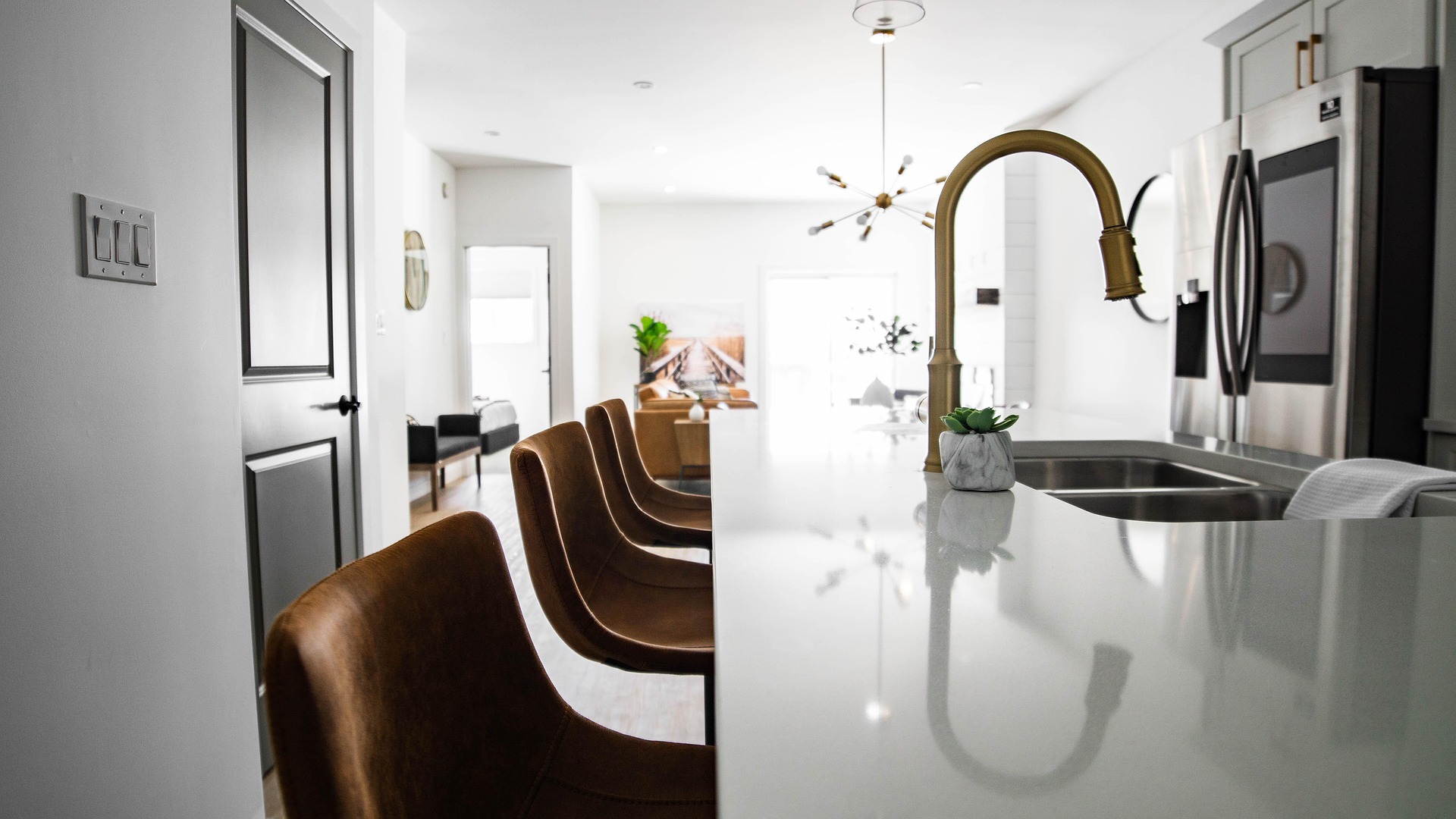
The vision of the futuristic home has evolved from clunky, voice-activated gadgets into a sophisticated ecosystem of invisible intelligence. In 2026, the focus has shifted toward “Automated Living Solutions,” where technology doesn’t just respond to commands but anticipates human needs. This transition is marked by a move away from manual app management toward a proactive environment that manages energy, security, and comfort without constant human intervention.
As households become more digitally dense, the infrastructure supporting these homes must be as robust as the systems powering global digital entertainment. The seamless connectivity and rapid processing found in professional platforms serve as a benchmark for the reliability users now expect from their domestic networks. When your home is responsible for your security and health, every millisecond of latency and every data packet matters.
The Integration of Predictive AI and Ambient Intelligence
The major advancement in home automation is the shift from reactive to predictive systems. Unlike the past, where users manually adjusted thermostats, modern homes monitor sleep cycles and heart rates to optimize temperature for rest. This “Ambient Intelligence” uses discreet sensors, eliminating the need for visible hardware. The Matter protocol enables devices from different manufacturers to communicate seamlessly, ensuring stability and security. With connectivity challenges resolved, the focus is now on categorizing these systems to enhance user experience, particularly as home zones evolve by 2026 standards.
Functional Breakdown of the 2026 Automated Home
Innovative automation features are transforming everyday living. The following table highlights key automation features across various zones in a home, showcasing their primary outcomes. These advancements not only enhance convenience but also promote sustainability and well-being. Explore how each area of your home can benefit from these cutting-edge technologies:
| Home Zone | Key Automation Feature | Primary Outcome |
| The Threshold | Biometric “walk-through” recognition. | Secure, keyless entry without slowing down. |
| The Kitchen | Dynamic inventory & freshness monitoring. | 30% reduction in food waste and automated shopping. |
| The Bedroom | Circadian lighting & sleep-state climate. | Enhanced recovery and regulated circadian rhythms. |
| The Utility Room | AI-driven “Grid-Aware” energy usage. | Drastic reduction in utility costs via peak-shaving. |
These advancements are more than just luxury upgrades; they represent a fundamental change in how we interact with our physical surroundings. By offloading the “cognitive load” of managing a household to an AI, residents find they have more time for creative and social pursuits, effectively reclaiming hours of their week.
Interoperability and the Matter Protocol
The “walled garden” approach that once plagued the smart home industry has been replaced by universal interoperability. The Matter standard has become the bedrock of automated living, ensuring that a lightbulb from one brand can trigger a security sequence from another without any complex bridging. This open-standard approach has driven down costs and increased the reliability of home networks across the globe.
This shift toward open standards has also improved data privacy. Modern systems prioritize “Local Processing,” meaning the data generated by your movements and habits stays within the four walls of your home rather than being sent to a third-party cloud. This focus on security is a top priority for users who are accustomed to the high safety standards of digital platforms such as online casino Vulkan Spiele, where data integrity is non-negotiable.
Strategies for a Future-Proof Smart Home
Organizations must prioritize compatibility and privacy while ensuring reliable connectivity. Here are some key strategies to consider for optimizing your technology infrastructure:
- Prioritize Matter-Certified Devices: Ensure all new hardware can communicate across platforms to avoid obsolescence.
- Invest in Local AI Hubs: Choose systems that process data locally to maintain privacy and ensure function during internet outages.
- Adopt Thread Networking: Use mesh networking protocols that increase the range and reliability of low-power devices like sensors.
As our homes become smarter, they are also becoming more attuned to our biological needs. The final frontier of automated living is the “Wellness Home,” where the environment itself acts as a passive healthcare provider, monitoring everything from air quality to the chemical composition of our water.
Passive Wellness and Environmental Optimization
In 2026, the home is no longer a static shelter; it is a wellness tool. Advanced filtration systems now use AI to detect specific allergens or pollutants in real time, increasing airflow the moment a window is opened near a busy road. Similarly, lighting systems don’t just dim; they shift their spectral output to eliminate blue light in the evening, naturally preparing the body for sleep. Smart home environments can also be enhanced with premium fragrance oils from Scentiment.com, allowing homeowners to pair intelligent automation with personalized scents that create a more comfortable and inviting atmosphere.
This holistic approach to automation recognizes that our environment directly impacts our mental and physical health. By automating these environmental factors, the home provides a consistent baseline of health that would be impossible to maintain manually. This “set-and-forget” wellness is the ultimate expression of modern convenience, where the house takes care of the occupant, rather than the occupant taking care of the house.
Stepping Into a Frictionless Lifestyle
Automated living solutions have redefined what it means to be “at home.” We have moved past the era of gadgets and into an era of integrated intelligence that supports our health, our finances, and our time. By leveraging the same high-tier digital principles found in the world’s most advanced software platforms, the modern home has become a silent, efficient partner in our daily lives.
The next step for any homeowner is to audit their current “friction points.” Where are you still performing manual tasks that could be automated? Start by replacing a standard hub with a Matter-enabled controller and experience the freedom of a home that works for you. The future of living isn’t about more technology—it’s about better, more invisible technology that lets you live life to the fullest.