Japan is easy to admire and surprisingly easy to get lost in, especially on a first trip. A smooth mobile setup can make train changes, map checks, and ticket scans far less stressful. Many tourists ask the same setup questions before departure, and most of them come down to timing, compatibility, and data use.
Can the Phone Use eSIM in Japan?
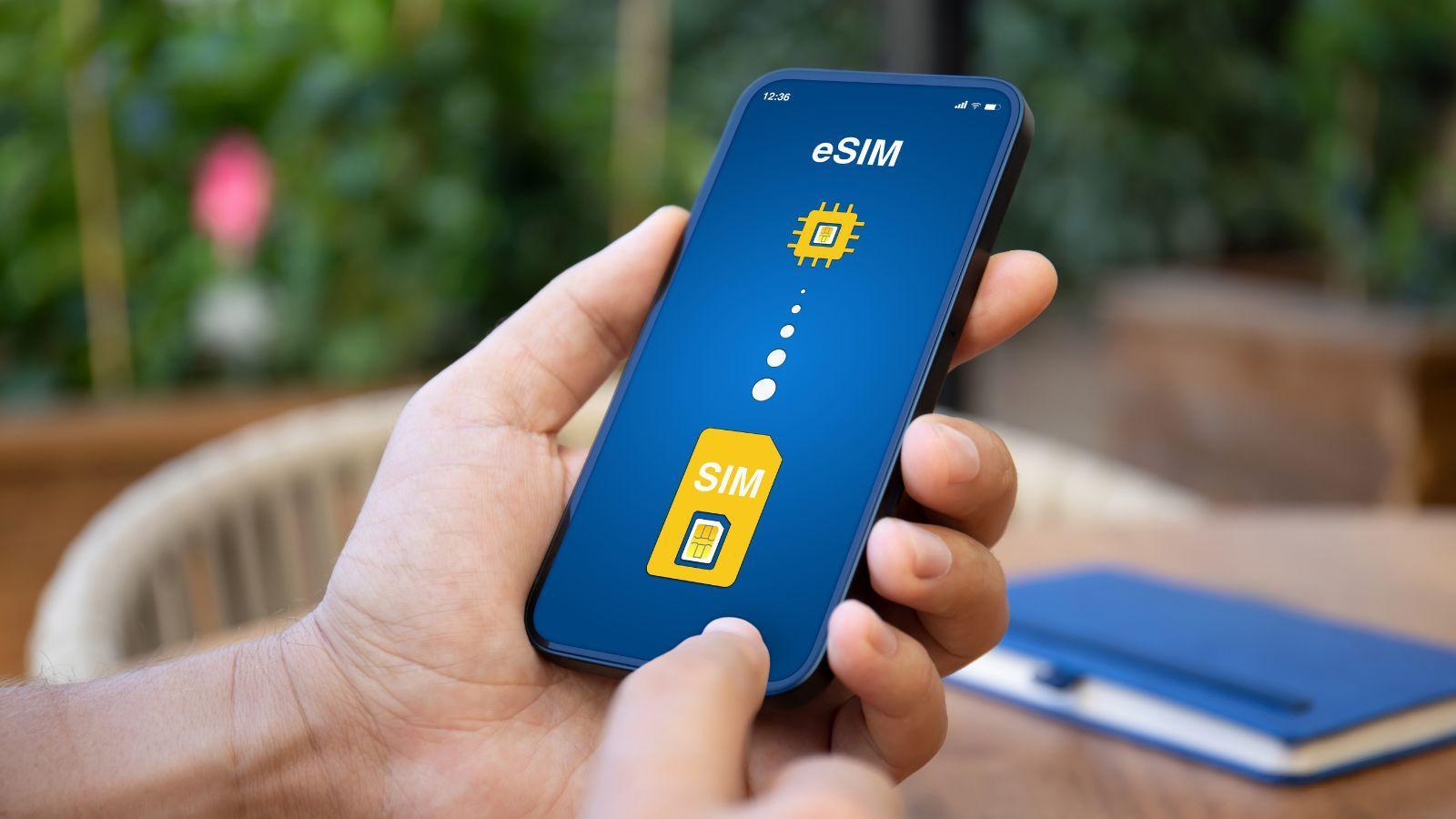
The first question is usually about device support. Many travelers look at Japan eSIM plans early, but the eSIM only works if the phone itself supports eSIM and is carrier-unlocked. That detail matters before a flight to Narita, Haneda, or Kansai, because setup cannot happen properly on a locked device.
Software readiness matters too. A phone with current settings and a stable internet connection makes installation much easier, since the QR code method needs internet during setup. The installation is commonly done by scanning a QR code, and the eSIM is then added to the phone. It also shows separate setup paths for iPhone, Pixel, and Samsung devices, which is useful for first-time users.
When Is the Best Time to Install It?
A common question is whether installation should happen before the trip or after landing. The eSIM can be bought and installed in advance, then activated when needed, as long as activation happens within 60 days of purchase. That is handy for travelers who want everything ready before arrival in Osaka or Tokyo. It cuts down the airport scramble and leaves less room for setup mistakes.
There is also the question of when the package actually starts. The line starts automatically once the device connects to the destination network after the eSIM line is on, data roaming is enabled, and the eSIM is chosen for cellular data. That setup can help a tourist land in Fukuoka or Sapporo and get online without hunting for airport Wi-Fi.
How Much Data Is Enough for the Trip?
The Japan eSIMs offer several prepaid choices, including fixed-GB options for set periods and day plans with daily high-speed allowances that reset every 24 hours from activation time. That variety matters because a weekend in Tokyo looks very different from two quiet weeks split between Kyoto, Nara, and Hakone.
Maps, rail apps, booking confirmations, and restaurant searches can eat through mobile internet faster than expected. A light user in Kanazawa may need far less than someone posting from Shibuya, checking routes in Osaka, and streaming on the Shinkansen. The good part is that data plans are shown with clear durations and usage amounts, which makes comparison easier before the trip starts.
What Should Be Ready Before the QR Code Scan?
A lot of setup trouble comes from tiny skipped steps. Internet access is needed to install the eSIM, and users should turn the eSIM line on, switch on data roaming, and choose the eSIM for mobile data when at the destination. Those are basic details, but they are the kind that get missed in the middle of airport fatigue.
Quick Pre-Trip Check List
- Confirm that the phone supports SIM
- Make sure the device is carrier-unlocked
- Keep the QR code easy to access
- Use stable Wi-Fi during installation
It also helps first-time users avoid the mistake of installing the profile but forgetting to switch the right mobile data settings. Small prep work tends to pay off fast once the trip starts. A clear setup routine can save time and prevent stress after arrival.
What Happens If the Initial Package Runs Out?
Another question tourists ask is what happens when usage is higher than expected. Add-ons are available for some Japan eSIM options, and an add-on can activate automatically when the initial package expires. That is useful for trips that grow from a short city break into a wider loop through Hiroshima, Kobe, and Kyoto.
The FAQ section also says users receive a notification when usage is running low or when the package is close to expiry. That makes it easier to react before access cuts off at an awkward moment, like during a train transfer or a hotel check-in. A prepaid setup tends to work best when the package length and expected use are checked together.
Before departure, the smartest move is to treat setup as part of the itinerary, not as an afterthought. Japan eSIM plans make more sense once device support, activation timing, coverage, and usage limits are clear. For first-time visitors moving between Tokyo, Kyoto, Osaka, or quieter corners of Japan, those checks help keep mobile access steady and predictable. A few careful checks before takeoff can make everyday travel in Japan feel much easier.