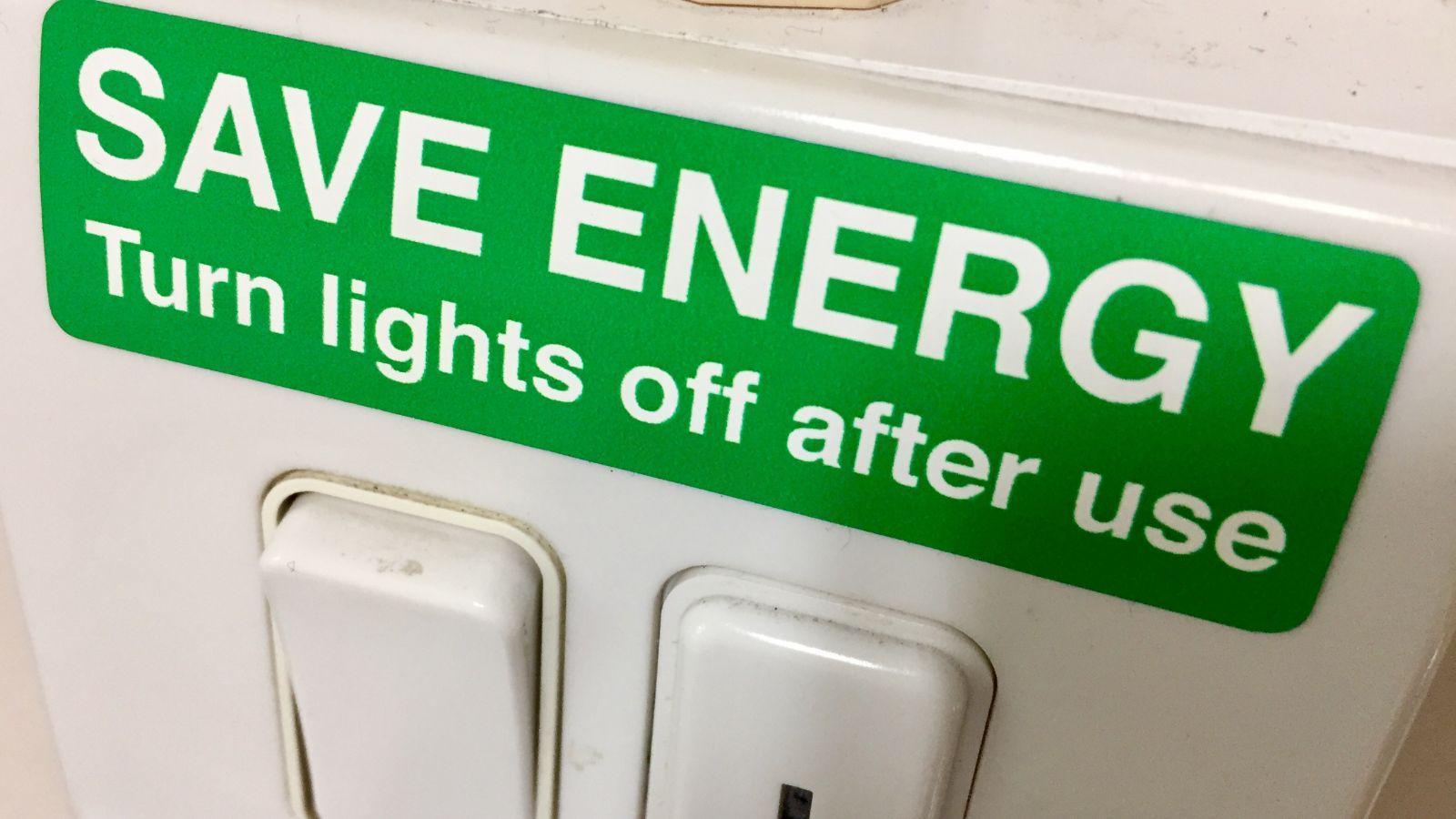
For most of the last two decades, UK small businesses treated their energy bill the way they treated their broadband. A direct debit set up at some point in the past, never reviewed, never compared, quietly inflating with each contract roll. The model worked for the suppliers. It worked less well for the businesses paying the bill. Across the SME sector, the cumulative cost of unreviewed energy contracts ran into hundreds of millions of pounds annually, almost all of it recoverable through the most boring procurement exercise imaginable.
The structural reason this happened is straightforward. The UK commercial energy market is significantly less protected than the residential one. There is no domestic-style price cap, no automatic protection against rolling onto an out-of-contract rate at the end of a fixed term, and no real expectation that the supplier will alert a small business that its tariff has drifted out of competitive range. The regulator Ofgem has flagged for years that small business customers sit in a protection gap, and the gap is where the overpayment accumulates.
The gap has started closing through procurement rather than regulation. Specialist brokers offering Utility Bidder services aggregate tariff information across the supplier market, gather bills and meter data from the business, and surface the price difference between current rates and what is available on a switch. The exercise is procurement, not finance. It is also the highest-return activity an SME can run in most quarters.
The numbers for an average small business are revealing. A retail premises, a hospitality operation or a professional services office paying between five and twenty thousand pounds a year in combined gas and electricity will typically be overpaying by between fifteen and thirty percent if its contract has rolled into out-of-contract pricing. The recovery is immediate the moment a switch happens. A business losing two thousand pounds a year to passive procurement is losing a marketing budget, an equipment upgrade, or the salary contribution toward a part-time hire.
The behavioural shift inside the SME sector has been gradual but real. Small business operators who would not have considered an energy review five years ago are now treating it as a recurring annual exercise, prompted in many cases by accountants who have started flagging the line on management accounts. The shift parallels what happened in domestic energy switching a decade ago, with a roughly five-year lag.
For SMEs that have not yet run the exercise, the threshold for action is genuinely low. A recent bill, the meter point identifiers, and the contract end date are sufficient to start the comparison. The cost of finding out is the time it takes to dig out one bill.
FAQ
How often should an SME review its business energy contracts? At least every twelve months, ideally during the final third of any fixed-term contract.
Is switching disruptive to the supply? No. The physical supply continues uninterrupted. Only the billing entity and rate change.
What is an out-of-contract rate? A higher tariff applied automatically when a fixed-term contract ends without renewal. It is one of the most common causes of small business overpayment.
Can a tenant business switch its energy supplier? In most cases yes, provided the business is the named account holder rather than the landlord.