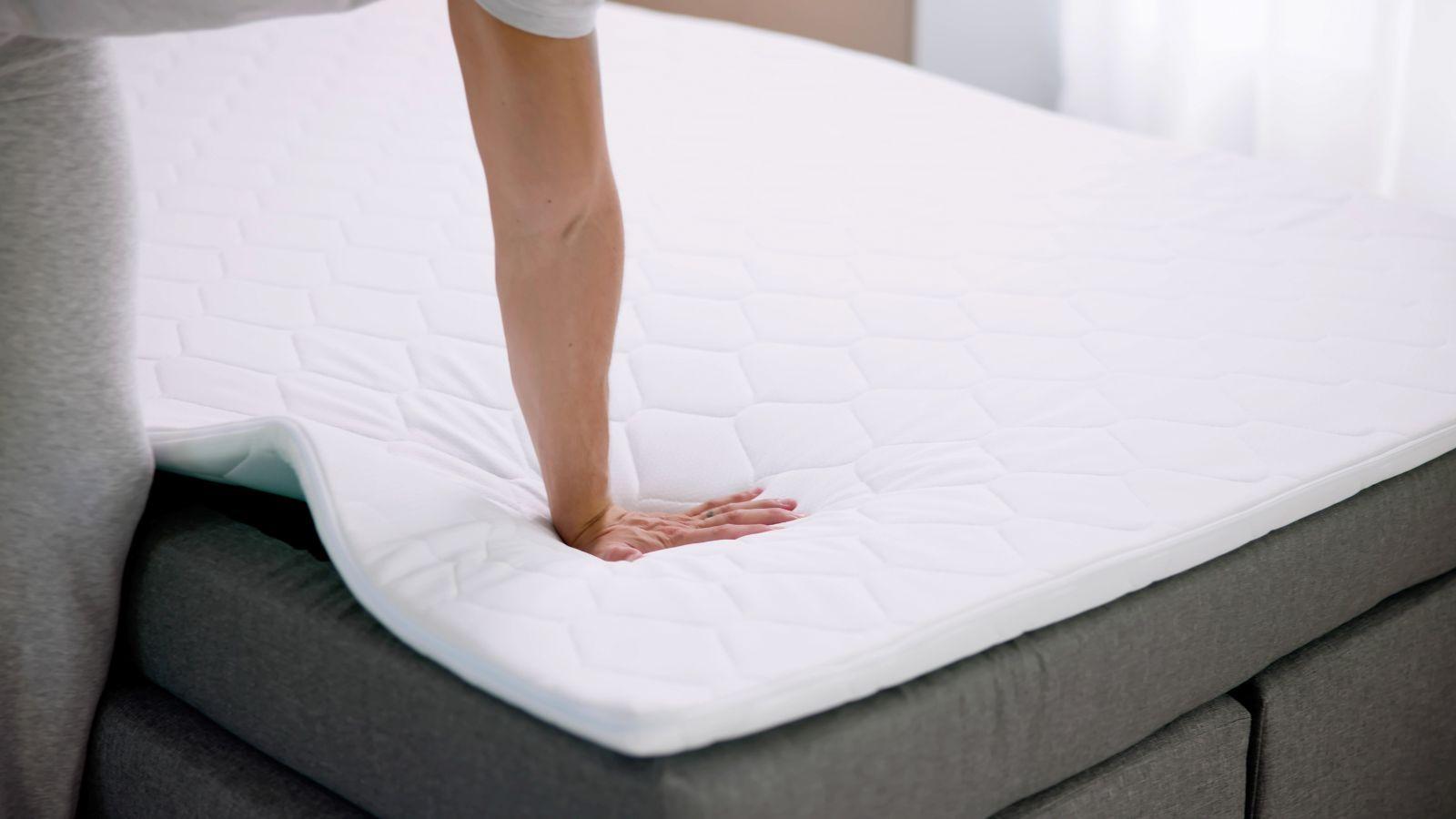
Mattress shopping in 2026 has settled into a two-format conversation for most adult buyers. Memory foam and hybrid construction. The arguments around them have hardened, the marketing has caught up, and the actual differences between the two categories are clearer than they were five years ago when the hybrid format was still establishing itself as a serious alternative.
The case for memory foam is the case that built the modern mattress market. Pressure relief, motion isolation, contouring around the body. The viscoelastic chemistry that defines the format does what it claims to do. Sleepers with shoulder, hip or back pressure points typically report immediate relief. Couples who sleep on different schedules benefit from the motion isolation. The construction is durable, the mattresses are typically lighter and easier to ship, and the per-unit price has fallen substantially as manufacturing capacity has scaled.
The case for hybrid construction is more recent but increasingly compelling. A hybrid lays foam, latex or specialty layers on top of a pocketed coil base. The coil layer adds three properties that pure foam struggles to match. Edge support, which keeps the perimeter of the mattress usable rather than collapsing under sitting weight. Airflow, which reduces the heat retention that is memory foams most consistent complaint. Articulated support, which holds the spine in alignment more reliably as the sleeper moves through positions during the night.
The detailed hybrid mattress vs memory foam comparison favours hybrid construction for sleepers who run hot, who change positions frequently, who share the mattress with a partner of different weight, or who use the bed as a sitting surface as well as a sleeping one. The comparison favours pure memory foam for sleepers who run cold, who sleep mostly in one position, or who prioritise the deepest possible body contour.
The clinical literature on sleep quality does not strongly favour one format over the other in absolute terms. The National Heart Lung and Blood Institute has emphasised that mattress fit is more important than mattress format, and the format that fits a particular sleeper depends on body weight, sleep position, thermal preference and any musculoskeletal issues being managed.
There are a few practical filters worth applying. Heavier sleepers, particularly those above ninety kilograms, generally do better on hybrid construction because the coil layer provides the structural support that pure foam compresses past. Sleepers managing lower back issues frequently report better outcomes on hybrid for the same reason. Hot sleepers almost universally report better thermal regulation on hybrid. Light, single-position sleepers often find pure memory foam adequate.
The price points have converged. Five years ago hybrid construction carried a meaningful premium over comparable memory foam. Today the difference is modest, and on a ten-year ownership horizon the price-per-night differential is small enough to be irrelevant.
The practical conclusion is that the format question has shifted. It is no longer hybrid versus memory foam in the abstract. It is which format fits the specific sleeper. The category as a whole has matured.
FAQ
What defines a hybrid mattress? A hybrid combines a pocketed coil base with foam, latex or specialty comfort layers above it.
Does hybrid construction sleep cooler than pure memory foam? Generally yes. The coil layer increases airflow and reduces heat retention compared to all-foam constructions.
Which format is better for couples? Hybrid often suits couples better due to edge support and varied weight tolerance, although well-designed memory foam isolates motion equally well.
How long does each format last? Quality mattresses in either category typically last eight to ten years before noticeable degradation.