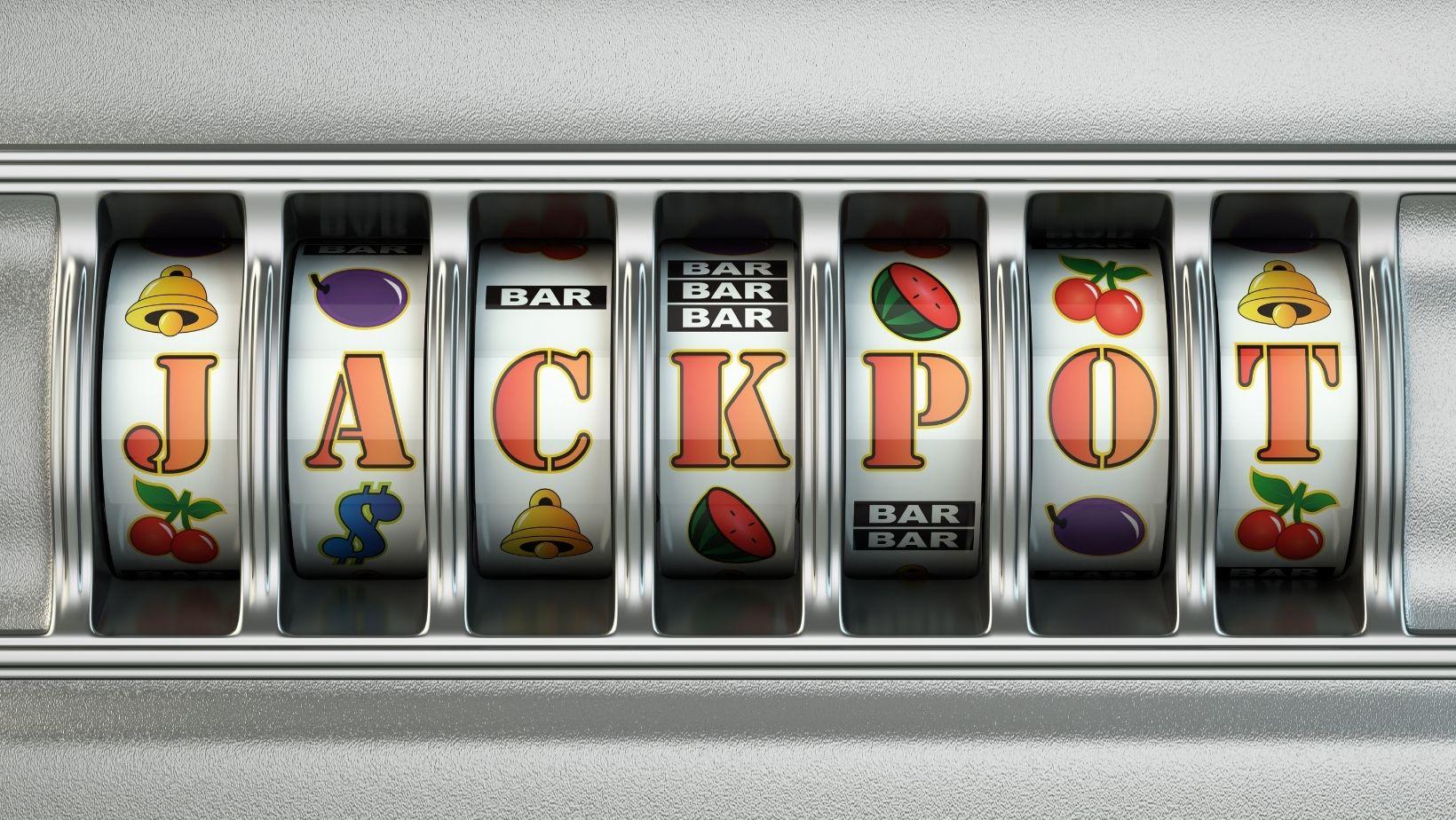
In exploring Slot Machines and the Dopamine Trap: The Science of High-Stakes Engagement, the article also examines how modern players are drawn to terms like slot gacor, reflecting the way perceived winning patterns and reward anticipation can intensify dopamine-driven engagement with slot machines.
Walking into a modern casino is a sensory experience unlike any other. The air is filled with a rhythmic chorus of bells, sirens, and the digital clinking of falling coins. While most people assume the “house edge” is purely mathematical, the real advantage lies in neurobiology. The house doesn’t just win because of the odds; it wins because it understands how to trigger the dopamine pathways in the human brain.
The Skinner Box Legacy and Variable Rewards
The foundation of slot machine design traces back to the mid-20th century and the work of psychologist B.F. Skinner. In his experiments, Skinner found that pigeons would peck at a lever more frequently if they received food at random intervals rather than every single time. This is known as “Variable Ratio Reinforcement,” a principle now fundamental to the operational flow of platforms like twindor, which rely on intermittent rewards to drive sustained user interaction.
When the brain doesn’t know when the next reward is coming, it becomes obsessed with the search. This uncertainty creates a heightened state of arousal. In a casino setting, this translates to the “just one more spin” mentality. Because a win could happen at any moment, the brain remains locked in a state of hyper-focus, ignoring the logic of long-term losses in favor of the immediate possibility of a jackpot.
Why Anticipation Beats the Actual Win
The most common misconception about dopamine is that it is the “pleasure chemical.” In reality, dopamine is the chemical of anticipation. It is released when you are seeking a reward, not necessarily when you receive it. Neuroscientists have found that dopamine levels in the brain spike as the reels are spinning, peaking just before they stop.
This neurochemical surge is what creates the “craving” to play. The brain essentially rewards the act of gambling itself, regardless of the financial outcome. This is why many players report feeling a sense of emptiness or boredom once a win actually occurs; the hunt is over, and the dopamine levels drop. To get that feeling back, the player must start the loop again by placing another bet.
Sensory Overload and the “Losses Disguised as Wins”
Modern digital slots utilize a variety of sensory tricks to keep the player engaged. One of the most effective tactics is the use of “Losses Disguised as Wins” (LDWs). In a multi-line slot machine, you might bet $5.00 but only “win” back $2.00. Technically, you have lost $3.00. however, the machine responds with celebratory music, flashing lights, and animations.
Sensory Stimuli and Their Psychological Impact
The following table outlines how different design elements are used to influence the player’s perception of the game.
|
Design Element |
Sensory Input |
Psychological Function |
|
Auditory Cues |
C-major tones and sirens |
Associated with success and celebration |
|
Visual Effects |
Vibrant colors and animations |
Maintains arousal and prevents fatigue |
|
Haptic Feedback |
Vibrating chairs or buttons |
Increases the feeling of “physical” interaction |
|
Speed of Play |
Fast spin-and-reset times |
Maximizes the number of “dopamine hits” per hour |
These elements work together to create a state of “immersion” where the player loses track of time and money, focused only on the next sensory trigger.
The Cognitive Biases of the “Near Miss”
Another powerful psychological tool used in slot design is the “near miss.” This occurs when the jackpot symbols land just above or below the payline. To the brain, a near miss is not seen as a loss; it is seen as a signal that a win is “close.” Research shows that near misses activate the same areas of the brain as actual wins. This creates a cognitive bias where the player believes their strategy or timing is improving, even though the result of every spin is determined by a Random Number Generator (RGB). This bias is what keeps people sitting at a machine for hours, convinced that the “big one” is just around the corner.
Maintaining Control in a Digital Environment
As gambling moves more into digital spaces, the need for player education becomes paramount. Savvy users look for platforms that offer transparency and tools for self-regulation. For instance, when exploring digital platforms, it is vital to understand that the environment is built on these same psychological principles. A responsible player uses these platforms as a form of entertainment with a set budget, rather than a way to solve financial problems. Setting hard limits on time and money is the only way to counteract the biological pull of the dopamine trap. By acknowledging that the game is designed to keep you playing, you regain the power to walk away when the entertainment value no longer matches the cost.
Breaking the Cycle
The psychology of slot machines is a testament to how easily our biology can be hacked. While the dopamine loop is a powerful force, it is not an invincible one. By understanding the mechanics of variable rewards, near misses, and sensory design, you can transform from a reactive player into an informed observer.
True freedom in any high-stakes environment comes from the ability to recognize the “trap” for what it is. The next time you hear the sirens and see the lights, remember that your brain is being asked to chase a reward that is mathematically designed to remain just out of reach. To start building healthier digital habits, try setting a timer on your phone before you begin any gaming session. When the timer goes off, the loop ends—no matter what the reels are doing.