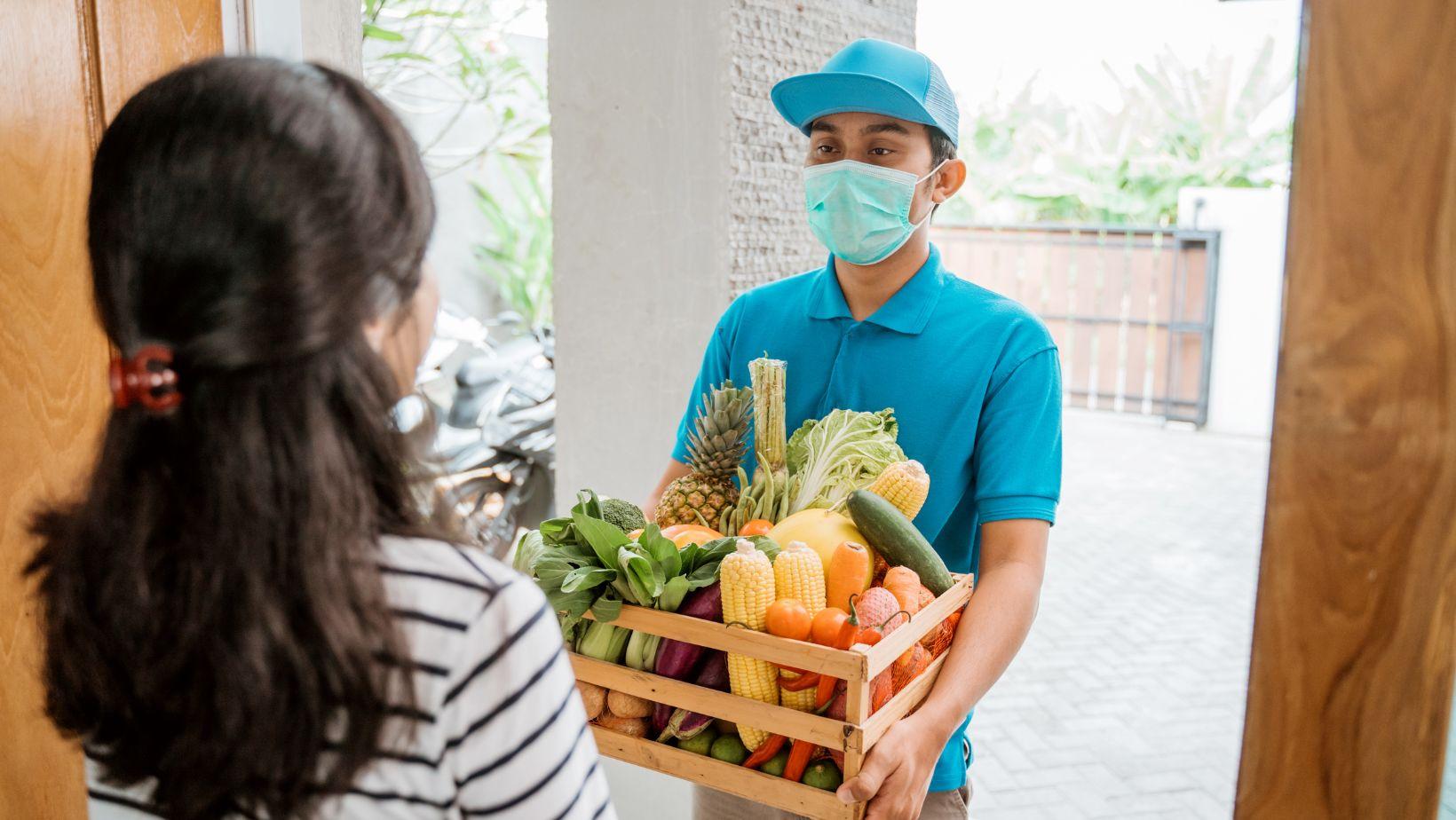
Getting fresh vegetables and fruit used to mean a weekly trip to the grocery store, a farmers market, or both. For people with demanding schedules, limited mobility, or no nearby access to quality produce, that system consistently failed. The rise of fresh produce delivery has changed the calculus significantly. Ordering directly from services that work with farms and suppliers means getting seasonal, quality produce at home without the friction of in-person shopping.
Misfits Market is one of the better-known examples. What started as a way to rescue imperfect but perfectly good produce from going to waste has grown into a broader grocery delivery service covering fresh vegetables, fruit, pantry items, and more. The mission matters: reducing food waste at the farm level while making quality produce accessible to more households addresses two real problems at once.
Why Online Produce Delivery Works Better Than Expected
The common objection to getting fresh produce delivered online is quality. People assume that produce picked for delivery has been sitting in a warehouse and will arrive in worse shape than what they would select in person. For well-run services, this is not the case. Careful temperature-controlled logistics and optimized delivery windows mean produce often arrives fresher than what has been sitting on a grocery store shelf for days.
Selection also tends to be more seasonal. Services that source from farms directly often carry varieties not commonly stocked in mainstream supermarkets, exposing customers to a wider range of vegetables and fruit that can make home cooking more interesting.
The Economics of Home Produce Delivery
Cost is a legitimate consideration. Per-item prices for delivered produce can be higher than grocery store prices for the same item. However, the true comparison is more nuanced. Subscription delivery models reduce impulse purchases, over-shopping, and food waste at the household level. Many people find that buying what they need, as they need it, rather than a large weekly haul results in spending less money while wasting less food.
For households where time is scarce, the convenience calculation also matters. The time spent shopping, including travel, parking, and checkout, has real value. Services that integrate seamlessly into an existing routine through scheduled deliveries reduce that friction.
Building Meals Around Seasonal Produce
One of the underrated benefits of produce delivery is that it encourages more seasonal eating. When your box contains whatever is best from farms that week rather than a fixed list you selected, it pushes you to cook with ingredients you might not have chosen otherwise. This builds a broader cooking repertoire and connects meals to what is actually growing locally or regionally.
Frequently Asked Questions
How does the produce quality compare to grocery stores? Quality varies by service, but well-managed delivery services source from farms with strict quality standards. Produce is often fresher than supermarket equivalents because of shorter supply chains.
Can I customize my produce delivery order? Most services allow customization of box contents, size, and frequency. Some offer fully flexible ordering where you choose each item rather than receiving a preset assortment.
Is produce delivery environmentally friendly? Consolidated delivery routes can reduce the carbon footprint compared to multiple individual shopping trips. Services that also reduce food waste at the farm level, by selling cosmetically imperfect produce, provide an additional environmental benefit.