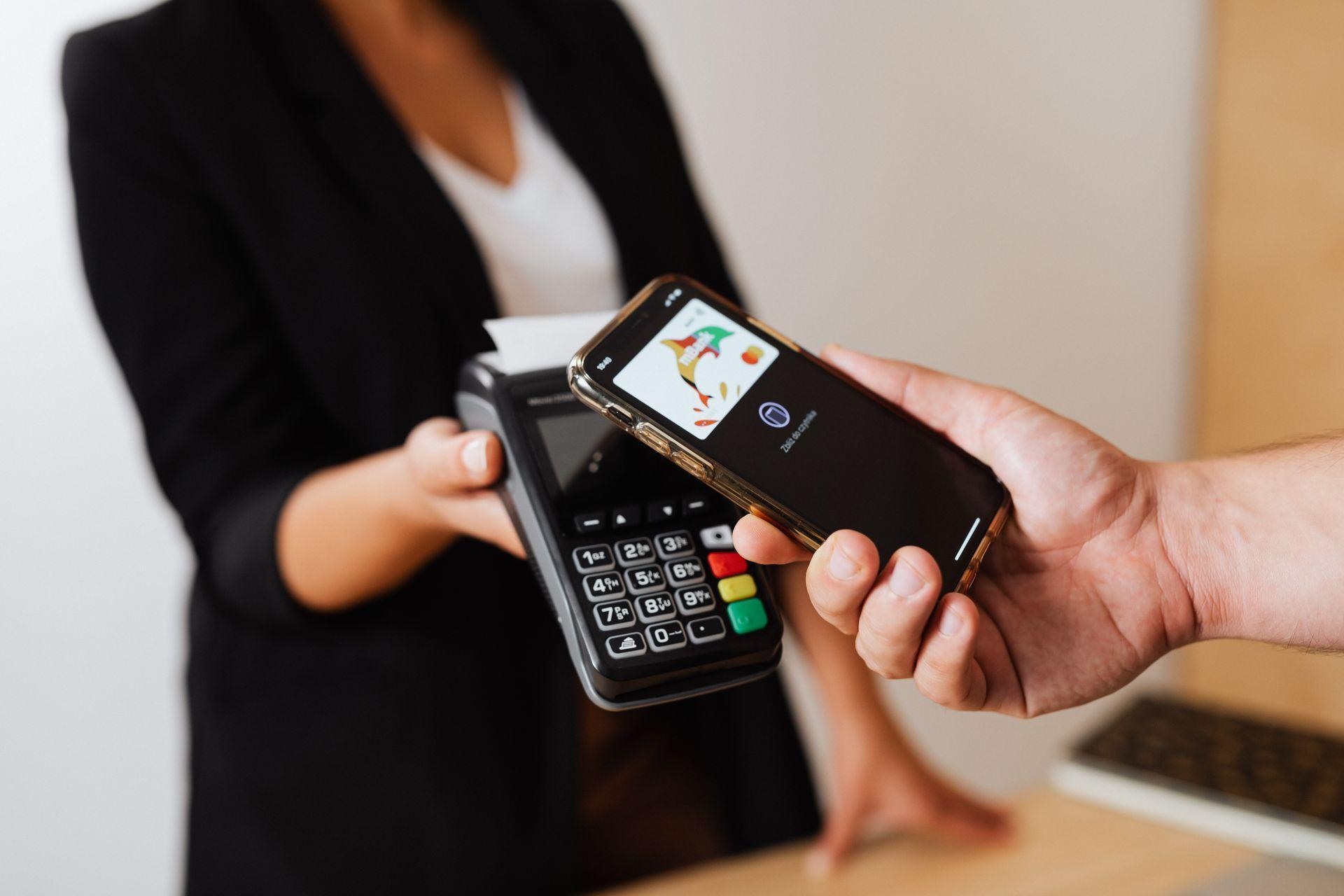
Australians are hardly giving up their cards. Tap-and-go is part of daily life, from the morning coffee run to the weekly grocery shop. Still, businesses are starting to look beyond cards when they design checkout and billing systems.
The reason is practical. Cards are familiar, but they are not always the cheapest or most useful option for every transaction. But the shift is less about replacing cards than building a better mix. Bank transfers, PayID, direct debit, PayTo and digital wallets each solve a different problem. For Australian businesses, choosing the right option at the right moment is becoming part of the customer experience.
Card Costs Are Harder to Ignore
Every card payment has a cost somewhere in the chain. The amount varies according to the card type, provider, merchant agreement, and transaction setup. A large retailer may negotiate rates that a small independent business cannot access.
Customers see this through surcharges. Under Australian rules, a business can pass on a card surcharge, but it cannot charge more than the cost of accepting that payment type. If there is no surcharge-free way to pay, the minimum surcharge must be included in the displayed price.
For businesses processing thousands of small transactions, even a modest fee adds up. Passing it on risks irritating customers. Absorbing it reduces the margin on every sale.
Alternative methods can give a business more room to manage those costs. A direct bank payment may suit invoices, account top-ups or larger purchases. The savings depend on the provider and setup, so businesses still need to compare real fees rather than assuming every non-card option is cheaper.
Speed Matters Most When Transactions Are Time-Sensitive
Real-time payments are especially useful in industries where customers expect funds to appear immediately. Marketplaces, ticketing services, trading apps and gaming sites all benefit from shorter processing times. PayID casino deposits are one example of how direct bank transfers can provide faster access for casino banking methods without requiring users to enter card details for every transaction.
Australia already has infrastructure for fast account-to-account payments. The New Payments Platform operates around the clock and makes funds available in near real time. PayID allows a payment to be addressed to a mobile number, email address, ABN or another recognised identifier instead of requiring a BSB and account number.
Faster confirmation helps the business as well. Orders can move ahead without staff waiting for a payment file or checking an account manually.
Failed Cards Create Work Nobody Sees
Cards do not have to be stolen or cancelled to cause trouble. They expire, and customers have to receive replacements. Banks block transactions that look unusual. A payment can also fail because an online purchase triggered an extra security check.
For a one-off sale, the customer may try again. Recurring payments are more difficult. A subscription can lapse because the card stored on the account is no longer valid, even though the customer had no intention of leaving.
Staff then have to send reminders, update billing details and restore access. Direct debit and account-based arrangements can be more stable because bank accounts generally change less often than cards. They are not perfect, but they give subscription businesses another way to reduce avoidable payment failures.
Australia’s PayTo system is designed for pre-authorised account-to-account payments and can be used for one-off or ongoing arrangements such as subscriptions. Customers can view, pause or cancel those authorisations through participating banking services.
Australians Expect Choice at Checkout
Payment habits are personal. One customer wants to tap a debit card. Another prefers a wallet on their phone. A small business client may choose a bank transfer because it is easier to match with an invoice.
The right mix depends on the business. Retailers need speed at the counter. Service businesses need clear payment references. Subscription companies care about reliable recurring billing. Marketplaces may need to collect money from buyers and distribute it to sellers.
Choice does not mean adding every available logo to the checkout. It means offering a few methods that genuinely suit the purchase and the customer.
This is also why businesses should avoid copying the payment setup of a much larger competitor. A national retailer and a local service provider may serve the same customers while facing completely different fees, cash-flow pressures, and administrative demands.
Security Is More Than Hiding Card Numbers
Some customers are wary of entering payment details on an unfamiliar site. Digital wallets partly address this, while bank-based methods let people authorise payments through a banking environment they already use.
No method removes risk. Card transactions can be disputed, transfers can be sent to the wrong person, and scammers adapt quickly. Businesses need controls that suit each method rather than treating one option as universally safe.
With PayID, the Aussie payer can see the name linked to the identifier before sending money. That can help catch an incorrect recipient, although the displayed name still needs to be checked carefully.
A sound strategy also needs clear refund processes, staff training and careful handling of customer information. Adding a new payment method without planning for mistakes simply moves the risk elsewhere.
Businesses should also explain unfamiliar options clearly. A customer is more likely to trust a new method when the checkout states what will happen, where the payment will be authorised and how a refund would be handled.
Cards Will Stay, but Their Role Is Changing
Cards are not disappearing from Australian checkouts. They remain quick, familiar and useful for both in-person and online payments. The Reserve Bank’s latest consumer research found that Australians continue to place a high value on the convenience of contactless card payments, even as PayID use grows.
What is changing is the assumption that cards should handle every payment. A business might keep cards for everyday purchases, use account-to-account transfers for large invoices and offer a bank-based option for recurring billing. The mix may change again as the business grows.
The sensible approach is to start with the problem. Are fees damaging margins? Are settlement delays holding up orders? Are expired cards causing subscription losses? Are finance staff spending too long matching payments?
Once the problem is clear, the payment choice becomes easier. Moving beyond traditional cards does not require a dramatic overhaul. Often, it begins by adding one practical alternative where customers and the business will feel the difference most.