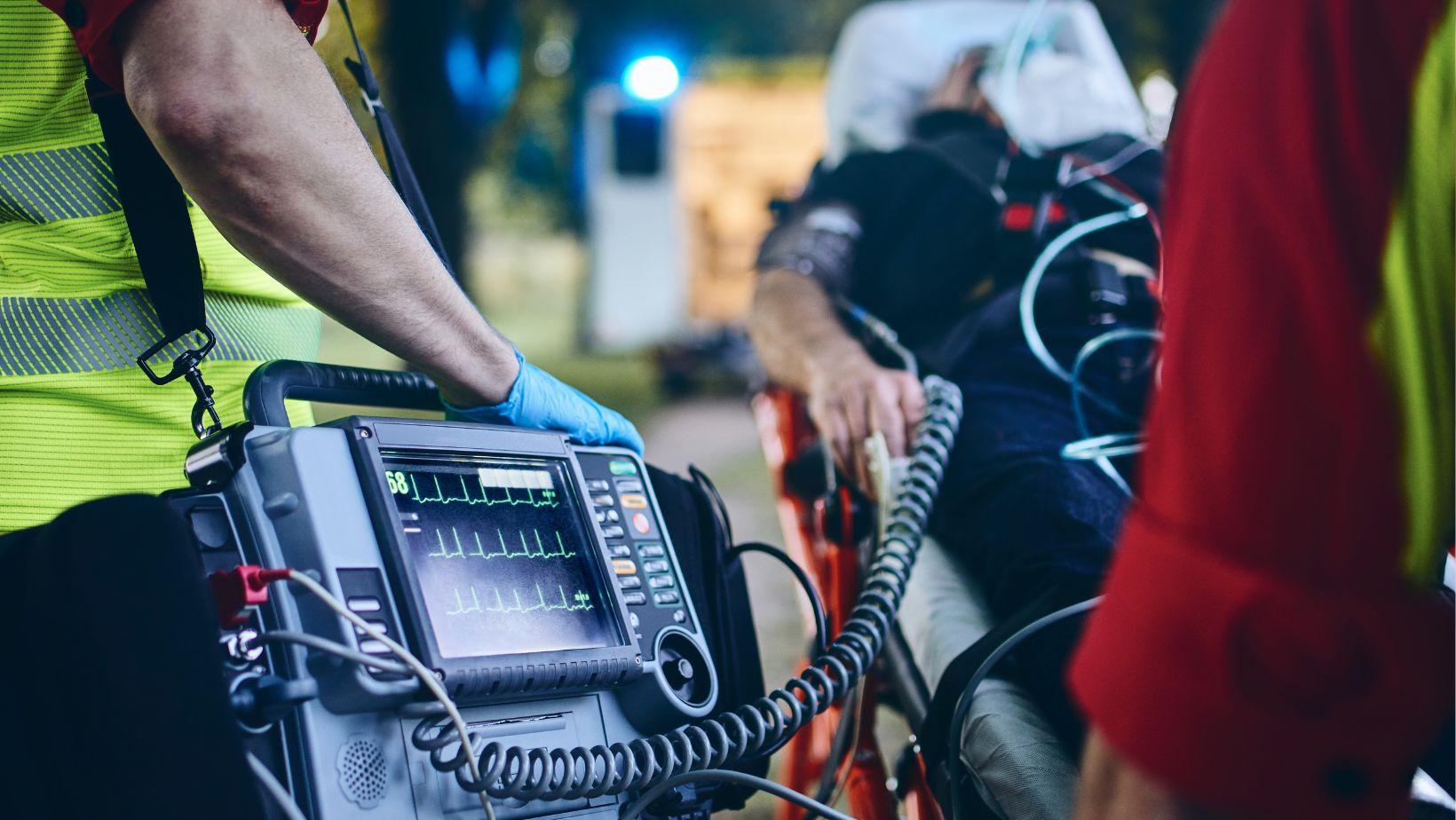
Natural disasters and other large-scale emergencies can place enormous pressure on healthcare systems. Hospitals may experience power interruptions, emergency medical services can face increased call volumes, and temporary clinics may need to operate with limited infrastructure.
Preparing for these situations involves more than having an emergency plan. Healthcare organizations also need appropriate equipment, reliable power, trained personnel, and procedures for maintaining essential medical services when normal operations are disrupted.
Technology plays an increasingly important role in this preparation. From patient monitoring to emergency cardiac care, medical equipment can help trained professionals assess patients and provide appropriate care in challenging environments.
Why Medical Equipment Matters During Emergencies
Healthcare professionals frequently rely on technology to obtain information about a patient’s condition and support treatment. During a disaster, access to this equipment can become even more important because normal healthcare resources may be under additional pressure.
Different environments naturally require different equipment.
A hospital emergency department may have significantly different requirements from an ambulance, field clinic, disaster shelter, or fire department. Organizations should therefore assess the emergencies they are preparing for and select equipment based on realistic operational needs.
Patient monitoring is one example. Healthcare professionals may need to monitor vital signs while treating or transporting a patient. Other situations may require equipment supporting cardiac emergencies, airway management, respiratory care, or patient transportation.
Organizations researching equipment for these purposes can compare appropriate Medical Devices based on their specific operational needs. Available categories can include patient monitors, AEDs, chest compression systems, suction equipment, and other devices intended for emergency and patient-care environments.
Equipment selection should be based on clinical requirements, applicable regulations, staff qualifications, manufacturer guidance, and organizational protocols.
Reliable Power Is an Important Part of Preparedness
Electronic medical equipment depends on reliable energy.
Hospitals typically have extensive backup systems, but disasters can create conditions that test even well-prepared facilities. Temporary clinics and emergency shelters may face greater challenges because they might operate away from established healthcare infrastructure.
Portable energy systems can provide another source of electricity in some emergency environments. Depending on their capacity and specifications, these systems may be used to support communications equipment, lighting, refrigeration, and compatible medical equipment.
However, healthcare organizations should not assume that every portable power system can safely operate every medical device.
Power requirements vary considerably. Organizations should determine the voltage, wattage, battery requirements, runtime, and other specifications of important equipment before developing backup-power plans.
This information can help emergency planners estimate how much power is necessary and prioritize essential devices.
Consider Portability and Deployment
Disaster response frequently requires equipment to move with healthcare personnel.
EMS teams may need to carry equipment between an ambulance and an incident location. Field hospitals can require devices that are relatively easy to transport and deploy. Emergency shelters may need to reorganize treatment areas as conditions change.
Portability can therefore be an important purchasing consideration.
Organizations should evaluate equipment dimensions, weight, battery operation, storage requirements, and durability. Equipment that performs well in a permanent hospital room may not necessarily be the best option for mobile emergency response.
Durability is another consideration.
Emergency equipment may encounter transportation, frequent handling, and challenging field conditions. Procurement teams should review manufacturer information and product specifications to determine whether a device is suitable for its intended environment.
Accessories should also be considered. Batteries, mounting systems, storage equipment, cables, replacement components, and other accessories can influence how effectively a device integrates into an emergency-response system.
Training and Equipment Should Work Together
Having advanced medical technology available does not eliminate the need for trained personnel.
Healthcare organizations should ensure that people expected to operate medical equipment have the appropriate training and qualifications. Manufacturer instructions and relevant professional standards should also be followed.
Training should cover more than basic device operation.
Personnel may need to know how equipment is stored, how it is inspected before use, what to do when a device reports an error, and how equipment fits into the organization’s broader emergency procedures.
Employees who are not authorized to operate particular devices may still benefit from knowing where important equipment is located.
For example, one employee may retrieve a device while an appropriately trained healthcare professional remains with the patient. Clear responsibilities can reduce confusion when teams need to act quickly.
Maintain and Inspect Emergency Equipment
Emergency equipment needs to be ready before an emergency occurs.
Healthcare organizations should establish appropriate inspection and maintenance procedures for devices included in their preparedness plans. The specific requirements depend on the equipment and manufacturer recommendations.
Battery condition can be particularly important for portable devices. An organization may have suitable equipment available, but it provides little practical value during a power interruption if its batteries are not adequately maintained.
Supplies with expiration dates should also be monitored where relevant.
Organizations can maintain records of inspections, maintenance, battery replacements, repairs, and other equipment information. These records make it easier to identify recurring problems and plan future replacements.
Storage locations should be reviewed as well. Important equipment needs to remain accessible to the personnel expected to use it.
Practice Realistic Emergency Scenarios
Preparedness plans become more useful when organizations test them.
Drills and simulations can help healthcare teams identify problems involving equipment, power, communication, and staff responsibilities.
For example, a simulation might reveal that an important device is difficult to retrieve quickly. Staff might discover that a backup power source cannot support equipment for as long as expected. A drill could also expose confusion over who is responsible for moving or operating certain devices.
Discovering these problems during practice gives organizations an opportunity to make improvements before a real emergency occurs.
After exercises, teams can review their performance and identify practical changes. This might involve relocating equipment, purchasing additional batteries, revising procedures, or providing additional staff training.
Final Thoughts
Effective disaster response depends on coordination between people, equipment, infrastructure, and planning. Medical technology can support healthcare professionals during emergencies, but equipment needs to be appropriate for the environment, maintained properly, supported by adequate power, and operated by qualified personnel.
Organizations that assess these factors before an emergency occurs are better positioned to understand their equipment needs and identify weaknesses in their preparedness plans. Regular inspections, realistic drills, staff education, and careful equipment selection can all contribute to a more resilient emergency-response system.
Frequently Asked Questions
What medical equipment may be useful during disaster response?
Requirements vary by setting. Depending on clinical and operational needs, equipment categories may include patient monitors, AEDs, suction devices, chest compression systems, respiratory equipment, diagnostic devices, and patient transport equipment.
Why is backup power important for healthcare organizations?
Many medical devices and communications systems depend on electricity. Backup power planning can help organizations maintain essential operations when normal electrical service is interrupted.
Can any portable power station operate medical equipment?
Not necessarily. Medical devices have specific electrical and operating requirements. Organizations should review manufacturer guidance and technical specifications before connecting equipment to a backup power source.
Why should emergency equipment be inspected regularly?
Regular inspection can help organizations identify battery problems, missing components, damage, maintenance needs, or other issues before equipment is required during an emergency.
How can drills improve emergency preparedness?
Drills allow organizations to test procedures under simulated conditions. They can expose problems involving communication, equipment accessibility, power availability, and staff responsibilities.