Voice assistants are very useful for playing music, setting reminders, getting weather updates, and controlling smart devices around your home. However, their efficiency can suffer when there’s noticeable lag or slow response times.
If you’ve ever asked your assistant a simple question and had to wait several seconds for an answer, you know how frustrating this can be. Understanding what causes these delays and taking a few practical steps can make your voice assistant respond much faster and help you get the most out of your smart home setup.
Optimise Your Wi-Fi Connection
Most lag issues stem from your home network. Start by placing your Wi-Fi router in a central, open location. Avoid cabinets, closets, or spots near thick walls. If your assistant is far from the router, you might experience more lag.
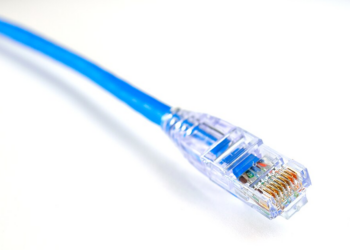
You should also check that your Wi-Fi is not bogged down by too many devices or downloads. If necessary, set up a dedicated 5 GHz channel for your smart home gear. If this isn’t possible or your router is placed further away, consider investing in a WiFi extender or running an Ethernet cable to a smart speaker hub. This creates what’s known as an Ethernet backhaul, which helps keep latency low.
Enable Router Quality of Service (QoS)
Most modern routers have Quality of Service settings, or QoS, which let you prioritise network traffic. Log into your router’s settings and prioritise traffic to your smart assistant’s IP address. This way, voice commands won’t compete with large downloads or streaming video.
Choose Devices With Local Processing
Some voice assistant speakers and displays now support on-device “wake word” detection and even local responses for basic tasks like timers or weather. Devices with local processing are able to answer simple requests instantly, without relying on the cloud. When shopping, look for these features in the product specs.
Use Streaming Responses Where Possible
Certain assistants offer “streaming responses.” This means they begin sending answers before the cloud has finished the whole task. This can make the assistant feel much faster for tasks like news briefings or weather updates. Check your device’s app or settings menu to see if you can enable this option.
Check Your Placement and Your Services
Don’t put speakers behind furniture or next to sources of electronic interference like microwaves or cordless phone bases. Keep in mind that interference affects both voice pick-up and Wi-Fi speed.
Geographical location matters, too. If your assistant supports local or regional servers, select the closest region in the settings. This lowers the time for your requests to travel to the cloud and back.
Test Round-Trip Time (RTT) and Jitter
Lag often comes from how long it takes data to travel between your device and the cloud, not from your speaker itself. You can check “round-trip time” and “jitter” using free speed test tools or apps. If delays are high, you may need to speak with your internet provider or change connection types.
If you are wondering what causes inference latency, some possible culprits might be:
Checking these can help you figure out where the lag is coming from and what you should fix next.
Recap and Next Steps
Addressing both your network and your device setup is often the key to making your voice assistant quicker and more responsive. Small changes will help you get more out of your smart home with less frustration.
For even more practical guides on improving your home tech experience, browse our latest articles on optimising smart devices and connectivity.