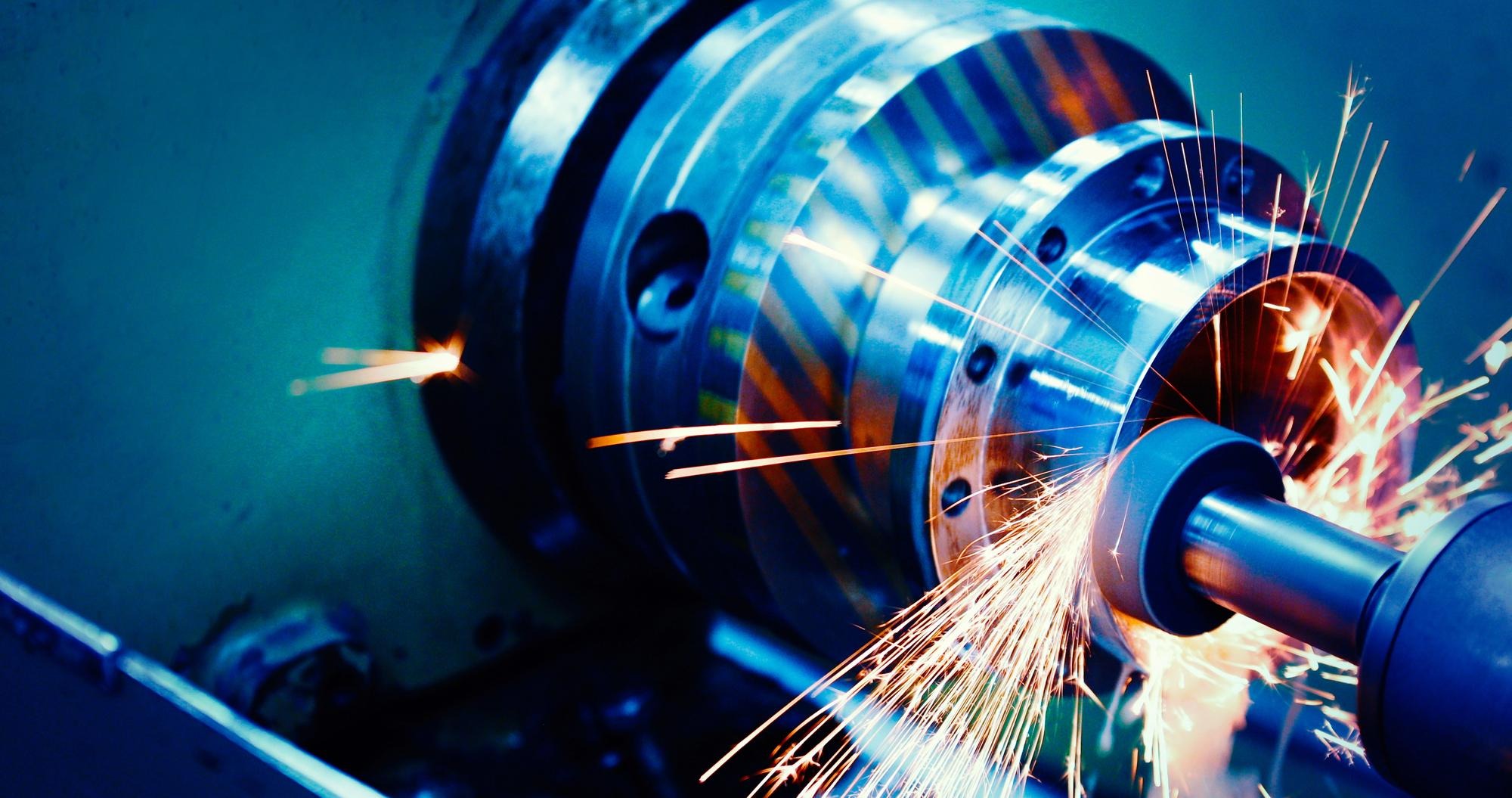
Picture this: you’ve just landed your biggest contract yet, but halfway through production, you realize your current equipment can’t maintain the tolerances required. You’ll either blow the deadline with workarounds or lose the client entirely. Growing a metalworking business means more than just taking on bigger projects and hiring additional staff. Your equipment needs evolve as you expand, and making smart investments at the right time can be the difference between struggling to meet demand and thriving in a competitive market. Let’s explore the essential equipment that will help your metalworking business scale successfully.
Precision Lathes for Versatile Production
A quality lathe forms the backbone of most metalworking operations. As your business grows, you’ll need reliable machines that can handle both small-batch custom work and larger production runs without compromising accuracy.
Manual lathes remain valuable assets for businesses that need precision control and flexibility. These machines give your operators direct tactile feedback and allow for quick adjustments without programming delays. Summit Machine Tool manual lathes offer the kind of durability and precision that growing shops need when taking on diverse projects.
For higher volume work, adding a CNC lathe to your arsenal makes sense once you’re consistently producing similar parts. These machines reduce labor costs per piece and maintain tight tolerances across hundreds or thousands of units. For example, if you’re producing 200 or more identical shaft components monthly, a CNC lathe can cut your per-part labor time by 60% while freeing skilled operators for more complex manual work. The key is knowing which projects justify the manual approach and which benefit from automation.
Milling Machines That Match Your Ambitions
Milling capabilities separate basic shops from full-service operations. As you grow, clients will expect you to handle more complex geometries and tighter specifications.
A vertical milling machine should be among your first major investments. These versatile workhorses can tackle everything from simple slot cutting to intricate multi-axis work. Look for machines with adequate spindle power, generous table travel, and rigid construction that minimizes vibration during heavy cuts.
Horizontal mills become relevant as you move into production work. They excel at removing large amounts of material quickly and can handle multiple operations in a single setup. While they represent a bigger investment, the efficiency gains pay dividends when you’re producing parts in quantity.
Welding Equipment for Complete Fabrication
Metalworking businesses that can’t weld in-house face significant limitations. You’ll lose profit margins to subcontractors and struggle with scheduling delays when outsourcing this critical process.
MIG welders offer the best starting point for most shops. They’re relatively easy to learn, work well with various metals, and provide decent speed for production environments. A quality 200-amp MIG welder handles most steel fabrication tasks without breaking the budget.
TIG welding equipment becomes essential when working with aluminum, stainless steel, or any application requiring exceptional weld quality. The learning curve is steeper, but the results justify the investment for businesses doing precision work or serving industries with strict quality standards.
Don’t overlook plasma cutting capabilities either. A CNC plasma table dramatically improves your efficiency when cutting sheet metal compared to manual methods. The accuracy and speed let you take on projects that wouldn’t be profitable using traditional cutting approaches.
Material Handling Systems That Prevent Bottlenecks
Raw materials and finished parts don’t move themselves. As order volumes increase, material handling becomes a significant productivity factor that many growing shops underestimate.
Overhead cranes transform your workflow when dealing with heavy stock or large assemblies. A two-ton bridge crane might seem like overkill until you’re wrestling with 500-pound steel plates multiple times per day.
The safety benefits alone justify the expense, and your team’s productivity will increase noticeably.
Forklift access matters too, especially if you’re receiving materials in bulk or shipping palletized products. Even a used forklift can revolutionize your receiving and shipping processes compared to manual handling or renting equipment as needed.
Don’t overlook storage solutions either. Vertical sheet racks, horizontal bar storage, and organized small parts bins prevent wasted time hunting for materials. Every minute your machinists spend searching for stock is a minute they’re not producing billable work.
Quality Control and Measurement Tools
Producing parts means nothing if you can’t verify they meet specifications. Growing businesses need comprehensive measurement capabilities to maintain quality standards and satisfy increasingly demanding customers.
Start with the basics:
- Quality micrometers from reputable manufacturers
- Precision calipers
- Dial indicators
Cheap measuring tools create expensive problems when parts fail inspection after hours of machining time.
A coordinate measuring machine (CMM) represents a significant investment but becomes necessary when producing complex parts with multiple critical dimensions. Even a basic CMM dramatically reduces inspection time compared to manual measurement methods while providing documented verification that customers increasingly require.
Optical comparators are ideal when producing small parts or needing to verify complex profiles. These instruments project magnified shadows of your parts, making visual inspection and measurement straightforward for geometries that would be tedious to check with hand tools.
Tooling and Workholding That Maximize Efficiency
Machine tools are only as good as the cutting tools and workholding devices you use with them. Growing shops need adequate tooling inventory to avoid productivity-killing delays.
Build a comprehensive collection of quality cutting tools in commonly used sizes. Running out of a standard drill bit or end mill in the middle of a job costs far more in delayed production than the tool itself costs.
Invest in proper workholding solutions for your most common job types. Custom soft jaws, dedicated fixtures, and quality vises reduce setup time and improve repeatability. The upfront cost pays back quickly when you’re setting up the same job for the third or fourth time.
Tool presetting equipment makes sense once you’re running CNC machines regularly. Measuring tool lengths and diameters outside the machine saves valuable spindle time and reduces the risk of crashes from incorrect offsets.
Ancillary Equipment That Keeps Production Moving
The equipment that doesn’t directly cut metal still plays crucial roles in your operation. These supporting systems prevent bottlenecks and maintain smooth workflow.
Parts washers keep components clean for inspection, assembly, or finishing. Industrial models handle the solvents and volumes that growing shops generate without constant maintenance headaches.
Air compressors power pneumatic tools, coolant systems, and various accessories throughout your shop. Undersized compressors cycle constantly and fail prematurely. Calculate your actual CFM requirements and buy more capacity than you think you need.
Adequate chip management systems keep your machines running productively. Conveyor systems, chip augers, and proper coolant filtration prevent downtime from overflowing chip pans or clogged pumps.
Planning Your Equipment Investments
Smart equipment acquisition requires balancing immediate needs against future growth. Buy quality machines that will serve you for years, but avoid over-investing in capacity you won’t use for ages.
Consider used equipment from reputable dealers when it makes sense. Well-maintained manual machines often provide decades of service at a fraction of new prices. CNC equipment requires more caution, as outdated controls can be expensive to maintain.
Financing options let you preserve working capital while acquiring necessary equipment. The key is ensuring that each investment generates enough additional revenue to cover its costs while improving your capabilities.
Smart equipment choices separate thriving shops from struggling ones. Focus on building a well-rounded machine shop with quality tools in each category, and you’ll be positioned to tackle increasingly profitable work as opportunities arise.