You’re washing the dishes after breakfast and see your lawn through the kitchen window. Again, it’s a bit bumpy, and there are leaves all over the pavers. The herb pot near the doorway is a little drier than usual. All of these minor issues don’t seem so bad right now, and therefore get pushed aside.
However, come the weekend, they’ll have coalesced into something that will dominate your free time. And this is exactly the area where garden technology is changing things, not by transforming your garden into an artificial environment, but by automating the repetitive jobs that distract you from everything else you love about your garden.
Why Garden Tasks Feel More Difficult Than They Look
Tasks related to mowing lawns, irrigating beds, sweeping patios, pruning edging, etc., appear to be uncomplicated on paper. Yet in reality, each one is dependent upon other factors such as time of year, weather, physical ability, the quality of your tools, and/or whether you have a Saturday available at all. It doesn’t matter if you really enjoy gardening; that enjoyment may also come with a price. Gardening means being involved in planting and caring for plants; however, it does not necessarily mean enjoying every single chore associated with that process. There is a distinction between having your hands in the dirt and physically planting something versus wrestling with an extension cord for an hour.
The “easy-care” garden isn’t about abandoning gardening completely. Rather, it is about eliminating all of the mundane tasks (jobs) that repeat themselves without providing much benefit. Since any given task only exists to prevent further degradation, it would logically follow that someone should consider simplifying that task as much as possible. That same question is now driving innovation in the modern garden.
Smart Tools Quietly Take Care Of The Repeated Chorework
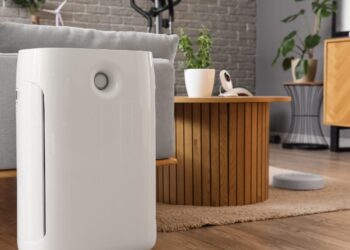
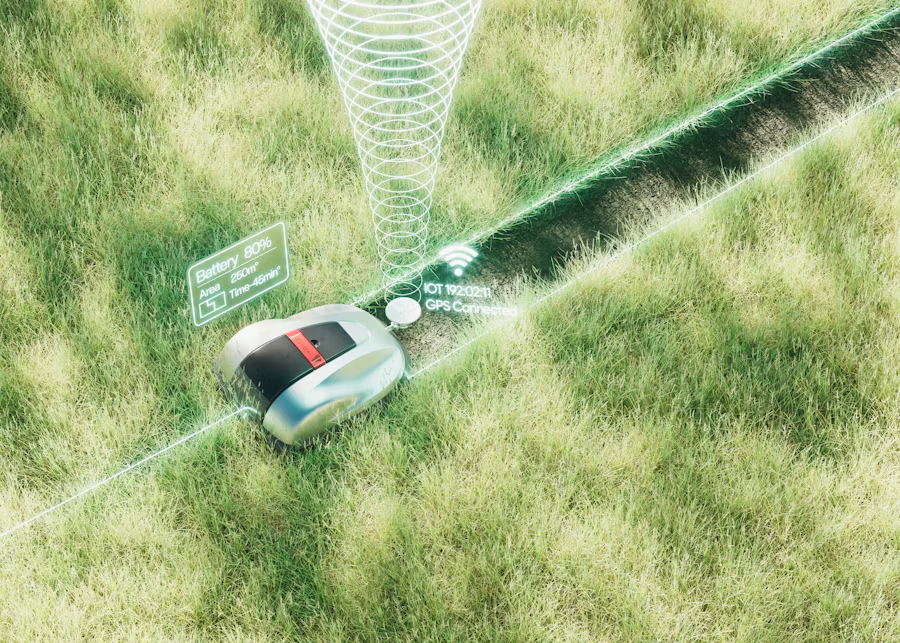
The greatest shift in outdoor technology is largely unremarkable. It is practical. Timers allow you to water your garden before you are even wide-awake. Weather-sensitive irrigation systems automatically turn off during periods of rainfall, preventing unnecessary watering and/or overwatering. Battery-powered tools are significantly lighter and quieter than their gas-powered predecessors. Many robot lawn mowers now exist that do one of the most recurring gardening tasks (cutting the lawn) without requiring you to sacrifice your entire weekend to maintain the lawn. While it may not seem like a huge issue, both the usefulness and the convenience of the above-mentioned features lie in consistency.
Regular cutting provides for healthier-looking grass. Steady watering allows plants to thrive. Regular cleaning of outdoor spaces prevents them from becoming overwhelming to maintain. While technology is able to assist here because it does not rely on motivation, it does provide a consistent level of assistance. Whether it is helping clean up a mess, reminding you when it is time to fertilize, or assisting with other various aspects of gardening, technology functions well in the background, providing support in small increments prior to needing attention in the first place. Your relationship with the garden changes dramatically once technology assists with the majority of the mundane tasks. Instead of viewing your garden as a long list of overdue tasks, you are able to utilize it again.
The Best Tech Solved the Smallest Problems First
An easy-to-maintain garden does not require large investments in high-end technology. In fact, the most effective initial step towards creating an efficient gardening system is typically finding/fixing the smallest problems.
Perhaps you continually forget to water the plants located at the entrance of your home and find yourself constantly replacing dead plants. A simple drip-line or a self-watering planter could eliminate this problem altogether. Perhaps you dread trimming due to the weight and awkwardness of the previous tool used. A new lightweight battery-powered trimmer may make the task less frustrating.
Do Not Assume All Garden Technology Has To Be Futuristic
As stated earlier, good garden technology should function in a manner that blends seamlessly into your daily routine. Good garden technology should make performing a task easier without making your garden feel any less like “your” garden. You still decide what type of plants to grow, where to position furniture, what types of plants to cut back, and what kind of ambiance you wish to create outdoors. The only thing technology does is remove some of the burden associated with maintaining that ambiance.
Low-Effort Does Not Necessarily Equal Artificial
There are times when people feel guilty for making gardening easier, as if only a “real” gardener would suffer from hard work and aching backs. However, this mentality creates outdoor spaces that resemble penalties rather than places you’d want to visit. A garden should demand something from you; that is true. However, it should not control every minute of your free time.
Low-effort gardening still offers plenty of opportunities for actual participation. You can use smart watering, but still manually prune your rose bushes. You can program your robot lawn mower to perform its duties autonomously, but still spend Sunday morning selecting fresh herbs for a planter. You can use battery-powered tools for labor-intensive jobs, but then slow down and focus on the jobs that feel personal.
The purpose of technology is not to separate you from your garden. Rather, it removes obstacles that deter you from truly experiencing/enjoying your garden.
A Better Approach To Planning Your Outdoor Space
If you are beginning anew or attempting to restore a neglected garden, design with ease-of-maintenance in mind. Although this seems intuitive, many gardens are designed based on appearance rather than functionality after several months of typical life. Do not bury tools (or anything else for that matter) under boxes containing old paint cans, broken camping gear, etc.
When developing an outdoor area, automation technologies work best in conjunction with good design. Poor planning can never be totally rectified by automation technologies. Outdoor areas are significantly easier to live in when effective collaboration exists among the simplicity of a well-designed area and the effective use of technology.
That’s what technology has been quietly doing for your garden. It provides perfection. There are only a couple of things that sit idle waiting for your return every time you walk out the back door.
Perhaps that’s enough. More hours sitting outside… More hours enjoying the smell of damp earth during a spring shower… More hours sipping hot coffee as long as it remains warm.