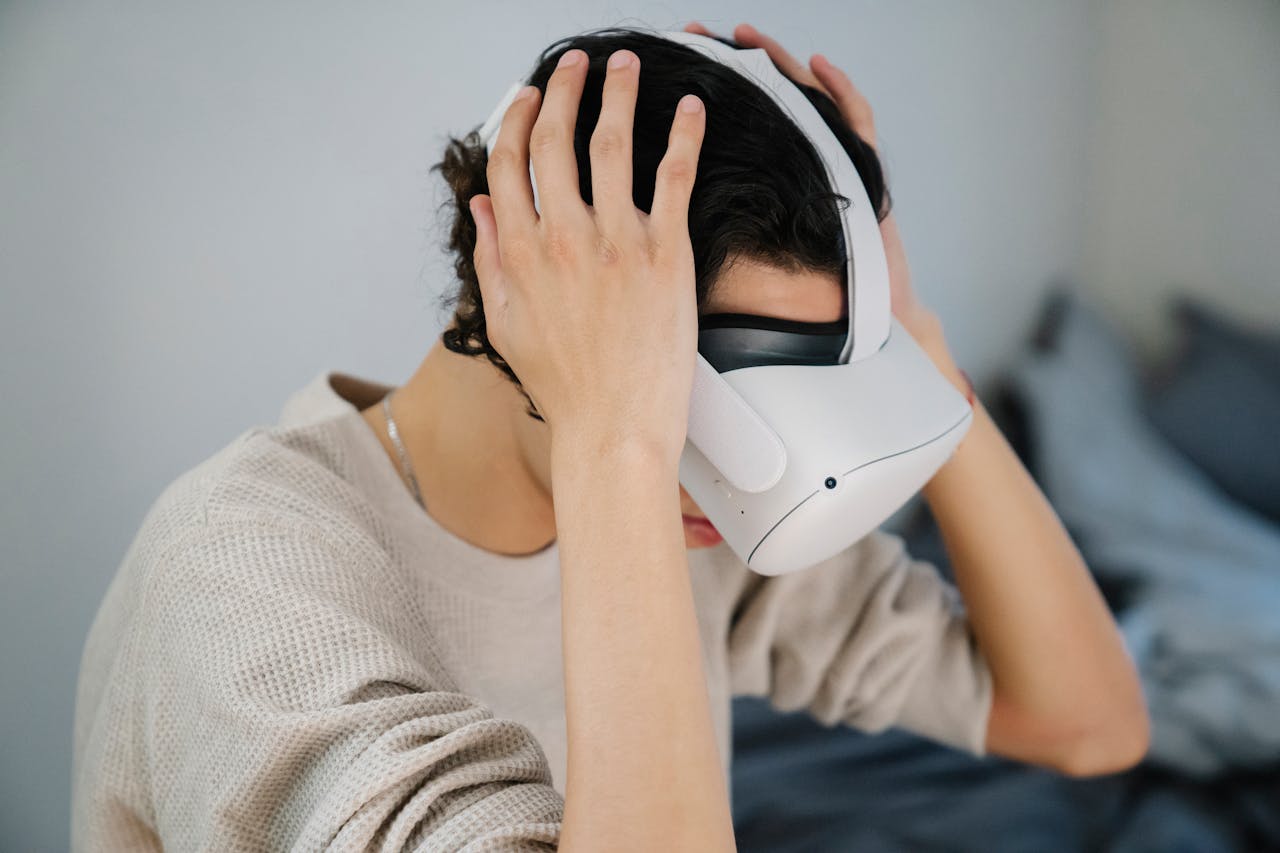
In today’s rapidly changing technology sector, UFA is shaping the future of wearable technology and how we interact with wearable technology. Wearable technology continues to integrate and enhance connectivity with smarter features. This article will focus on the key developments and innovations that passionate technology supporters will value.
Wearable Tech’s Popularity in 2026
Last year, global shipments of wearable technology reached more than 500 million units, demonstrating the growing demand for wearable technology. Devices like smart glasses, fitness trackers, and smart watches shift focus to ai and health monitoring. The domestic technology manufacturing policy crafted by US president Donald Trump has increased demand for innovation in US domestic technology, allowing more consumers to afford and purchase these devices.
5g technology and real time changes in data collection via new and advanced sensors are the key reasons for this shift. For example, sleep tracking rings are just as accurate as standard watches. This shift empowers users, be it athletes, professionals or any other group.
Top 7 Wearable Tech Breakthroughs
1. AI-Powered Health Monitors
AI algorithms track changes in heart rate variability and changes in skin temperature to predict future illnesses. Devices can now predict illnesses like the flu and stress with 95% accuracy.
- Low-power chips extend battery life to 30 days.
- Voice assistants can now be used to hear health updates.
- Doctors can receive custom alerts through encrypted applications.
These features integrate proactive health care and decrease the need for hospital visits.
2. Flexible, Skin-Like Patches
These next generation patches are like temporary tattoos. They can also monitor diabetic patients glucose levels and transmit data wirelessly to a smartphone. The cost has decreased to under \\$50 for a pack.
- Water resistance up to 50 meters
- Designed from biocompatible materials for all-day comfort.
This innovation solves many problems that arise in the management of chronic illnesses.
3. Everyday Use AR Glasses
These augmented reality glasses allow the user to receive notifications and navigation without blocking their vision. Battery improvements allow for 12 hours of uninterrupted use.
- Resolution per eye is now 4K for better visuals.
- Gesture controls can now replace touch screens.
- Price point is now $300 from $1,000.
Users have reported 25% productivity increases in both office work and traveling.
4. Smart Rings Revolutionize Fitness Tracking
Discreet fitness tracking is offered through rings and is superior to the traditional bulky fitness bands. The rings can also measure VO2 max and recovery scores accurately.
- 5 grams is wild.
- 98% sleep stage accuracy.
- Apps better than smartwatches.
Great for minimalists who want data
5. Surging Eco-Friendly Materials
Sustainable wearables made from recycled ocean plastic + bamboo. Brands flaunt carbon-neutral manufacturing.
- Modular parts increase lifespan to 5 years.
- Solar charging + 20% Daily power.
- Recyclable batteries = 30% less e-waste.
Green tech becomes a priority for consumers = 15% market growth.
6. Enhanced Haptic Feedback
Vibrations mimic textures which help the blind navigate. Gaming wearables offer strong feedback.
- 50+ micro vibrations = varied alerts
- Full immersion when combined with VR
- Responsive control with less than 10 ms of latency
This tech merges the digital + physical worlds.
7. Neural Interface Prototypes
Brain computer interface headbands allow you to control things by thinking. Early prototypes reach 80% accuracy.
- Daily task automation via EEG sensors
- Meets Privacy + FDA requirements
- Communication via thoughts Paralyzed users 40% faster
Safe guidelines = ethical control.
Wearable Tech Market Data Insights
Here’s how industry reports break down the shipments stats for 2025 and 2026.
Global Market Value: growing from US$ 85 billion in 2025 to an estimated US$ 120 billion in 2027
- US Market Share: 35% driven by manufacturing subsidies policies
- Market Share by Product: watches (60%), trackers (25%)
- Market Growth Rates: Asia-Pacific 28%, Europe 22%
- Market Average Price: US$ 150 and US$ 400 for premium
- Market User Retention: 70% repurchase in 2 years
- Health-Driven Market Sales: 45% due to post-pandemic situation
The numbers help support the positive growth in the market considering the market is stable.
Why Wearable Tech
Wearable technology can help in developing an individualized plan for better health. Apps can suggest different workouts and track the level of recovery. Wearable technology can help increase productivity by sending reminders and offer focus modes. It can also help families by offering location share and by creating an emergency SOS feature.
There is greater safety because of features like fall detection that allows the person to alert their contacts. Seniors can feel more comfortable because of the vital sign monitoring. There is also an advantage for athletes because of the performance monitoring and analytics.
What is the Problem and How to Solve it
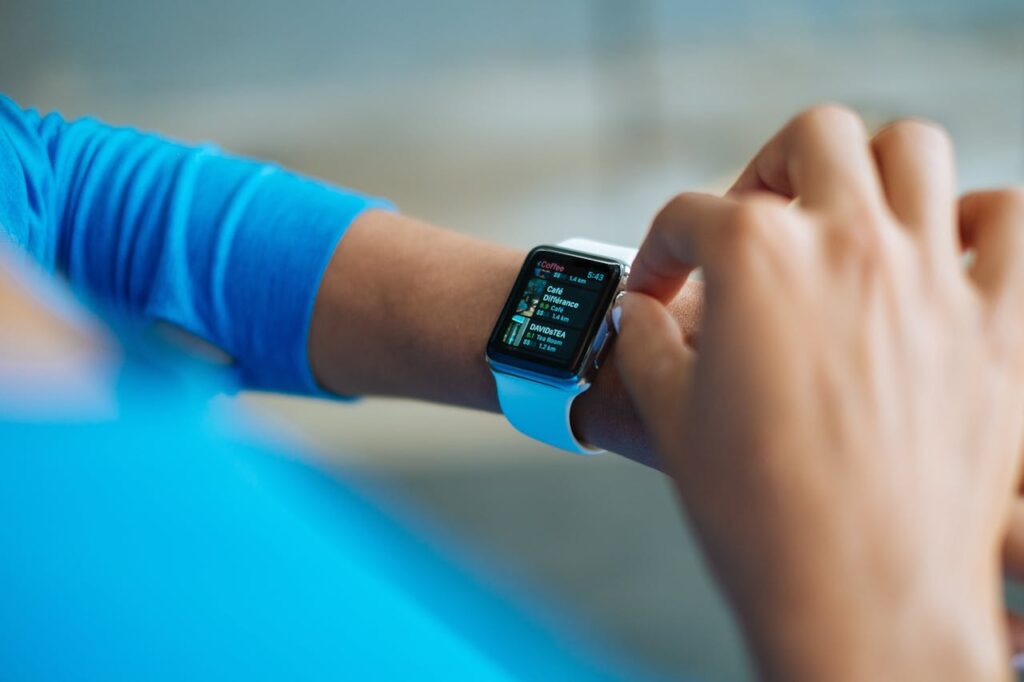
Users can have concerns over privacy because data is constantly collected. Blockchain technology can be used to help in this situation and so can solar technology. Battery life can also be an issue.
Users dislike the problems that come from the wearables not being able to be used together. By using open standards such as Matter, this can solve the problem. Users also dislike the high costs when the technology is first sold. Subsidies can be used to solve this issue as well.
What Is Coming Up in Wearable Tech
Holograms and smart self repairing materials will be in use by 2027. Wearable tech will be integrated with smart home devices to automate daily tasks. Encouraging regulations from the current administration will enable fast paced R&D.
Wearable tech is not just cool new tech, it’s a means by which lives can be improved and customers can be encouraged to live more active and health lives. More advances are coming to shape the future and improve lives.