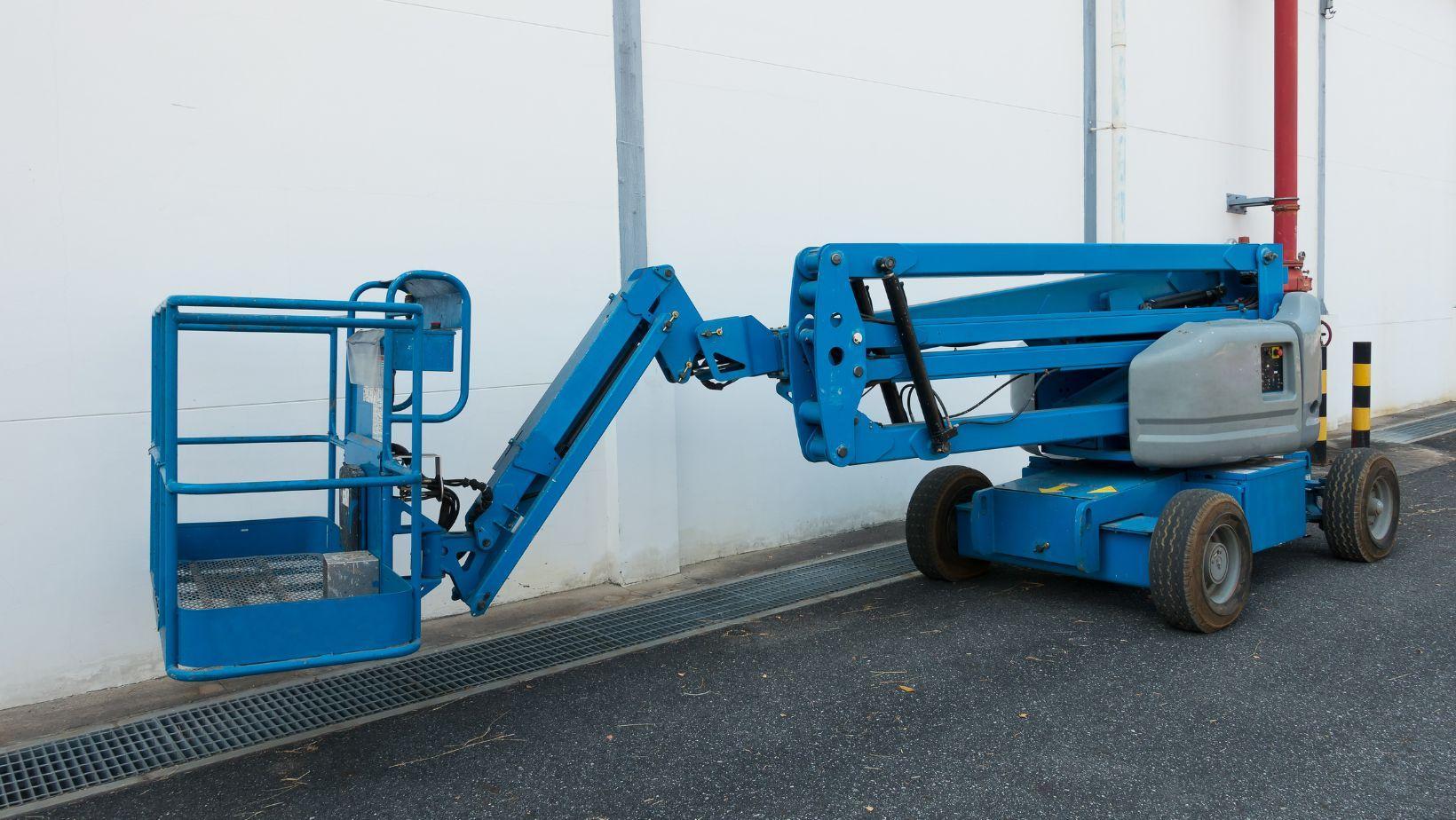
Truck-mounted boom lift crews are often judged on how quickly the basket goes up, which is exactly the wrong measure. The half hour before the first lift is where the day is won or lost, and almost none of it involves the boom.
Here is what a competent setup actually looks like, minute by minute.
Minutes 0 to 5: Choosing the Exact Spot
The operator does not park where the cones are. They park where the machine can work.
That means checking the distance to the elevation, what sits overhead, whether the ground is level enough to be brought level, and what lies beneath the surface. Covers, gullies, fresh asphalt patches, and soft edges all get a look. An experienced truck mounted boom lift operator will move ten feet before anything is deployed rather than restart the whole setup twenty minutes later.
Overhead lines get measured, not estimated, and the clearances required around them are not negotiable.
Minutes 5 to 10: The Walk Around
Every shift starts with a pre-use inspection, and it is a real check rather than a signature.
Tires and wheel nuts, hydraulic leaks under the chassis and around the outrigger valves, boom sections and pivot pins, hoses and cables for chafing, the basket, its gate and its anchor points, decals and the load chart, lights and beacons. Controls get tested at both stations, ground and basket, along with the emergency stop and the emergency lowering system.
Anything found here is cheap. The same fault found at height is not.
Minutes 10 to 18: Legs, Pads and Level
This is the longest part of the setup and the one that matters most.
Pads are sized for the surface rather than pulled off the truck by habit; then the legs come down one at a time. The chassis is leveled within the machine’s tolerance, and the wheels are lifted where the design requires it. Each leg is checked for full deployment, because a partially set outrigger will restrict the working envelope, and the control system will enforce that whether the crew agrees or not.
If any pad shows movement or the ground marks under load, the setup stops and moves.
Minutes 18 to 24: What a Truck Mounted Boom Lift Does Before It Lifts Anyone
With the machine set, the operator runs the functions through a short test at low level: slew, elevate, extend, jib, basket rotation, then back.
The interlocks get proved at the same time. A machine that is properly set will allow its full envelope. A machine that is not will refuse, and finding that out at four feet is far better than discovering it at forty.
Minutes 24 to 30: The Ground Party
The last stretch is about everyone who is not in the basket. The area beneath the working zone is closed off, because tools fall and nobody should be under them.
The rescue plan is confirmed out loud, not assumed. Who brings the basket down, using which control, if the operator cannot? Radios are checked. The wind is read and compared with the machine’s rated limit, and someone is given responsibility for watching it through the day.
Only then does the first working lift happen.
What Actually Slows a Setup Down
Every one of these is a phone call in the preceding week.
Thirty Minutes That Decide the Shift
The order matters as much as the checks. Position first, because everything else depends on it. Inspection second, while the machine is still on its wheels. Legs and level third, patiently. Function tests fourth, at a height where mistakes are harmless. People and rescue last, before anyone commits to the air. Suppliers such as Blade Platforms will plan the setup position with a client when they are given photographs and ground details, which turns that thirty minutes into a routine rather than a negotiation on the morning of the job.
Meta Title: Truck Mounted Boom Lift Setup: The First Thirty Minutes
Meta Description: Truck-mounted boom lift setup, minute by minute: choosing the position, pre-use checks, outriggers and level, function tests, exclusion zone and rescue.