Puzzle games often stand the test of time when they balance challenge with simplicity. Tile-based formats have a special place in this category due to their visual appeal. Many players return to these games for both relaxation and mental focus. One classic example continues to hold attention across generations.
Simple Rules with Deep Strategy
Mahjong stands out because its basic rules feel easy to grasp at first. Players match identical tiles and clear the board step by step. This simple idea may help improve accessibility for beginners. At the same time, each move requires thought and awareness of future options.
The depth of strategy becomes clear as the board changes with each match. Choices affect which tiles become available next. A single decision can shape the outcome of the entire game. This balance between ease and complexity keeps the experience fresh.
Visual Design That Engages the Mind
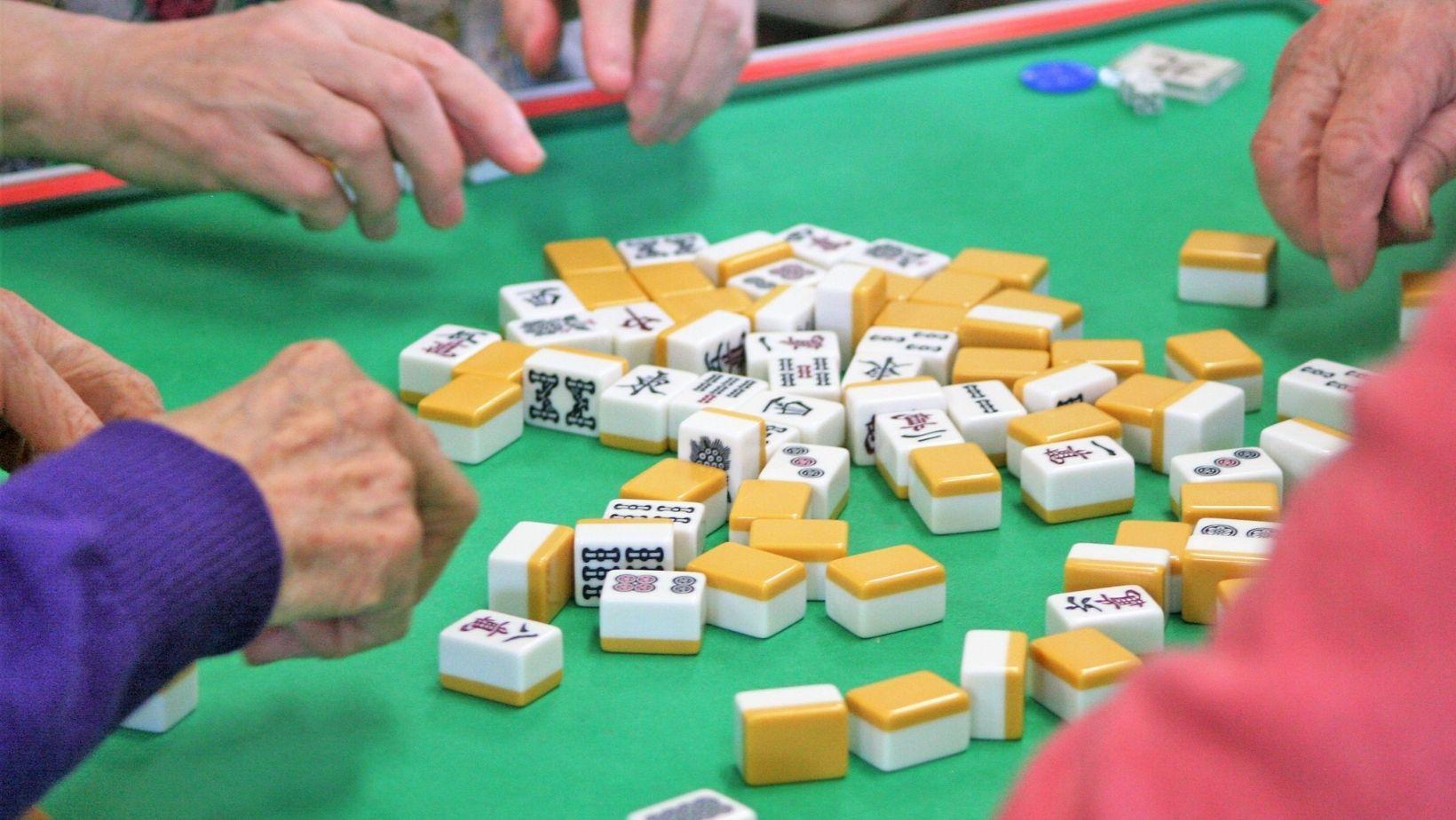
Tile designs often feature symbols, patterns, and clear markings that guide attention. This visual clarity helps with focus and quick recognition. A well-arranged layout may help improve concentration during play. The look of the tiles also adds to the overall charm of the game.
Different layouts introduce new patterns and levels of difficulty. Some boards feel open and simple, while others require more planning. This variation supports long-term interest without major rule changes. The visual structure plays a key role in how each session feels.
Mental Focus and Cognitive Support
Puzzle games often support mental sharpness, and this one is no exception. Matching tiles requires memory, attention, and pattern recognition. These skills may help improve focus during play. Over time, repeated sessions can support a steady mental routine.
Key Cognitive Benefits
These elements combine to create a thoughtful experience. Each move involves a small problem to solve. This steady pace may help improve mental clarity. A simple format can still offer meaningful engagement.
Variety in Layout and Challenge
One reason this puzzle remains popular is the range of layouts available. Each design offers a new challenge with the same core rules. This keeps the game from feeling repetitive over time. A familiar system with fresh patterns supports long-term appeal.
Some layouts require quick decisions, while others demand careful planning. This range allows players to choose a level that suits their mood. A shorter session can feel light, while a complex board may require more focus. This flexibility helps maintain interest across different play styles.
Easy Access Across Platforms
Modern access has helped this classic puzzle reach a wider audience. It is available on computers, tablets, and mobile devices. This ease of access may help improve consistency in play. A quick session can fit into short breaks or quiet moments.
Digital versions often include helpful features such as hints or undo options. These tools may help improve the learning process for new players. At the same time, traditional rules remain intact for those who prefer a classic feel. This blend of old and new supports continued relevance.
Mahjong remains a timeless puzzle game because it combines simple rules with lasting depth. Its visual design, mental challenge, and flexible play options continue to attract players. A steady balance between ease and strategy helps maintain its appeal across generations.