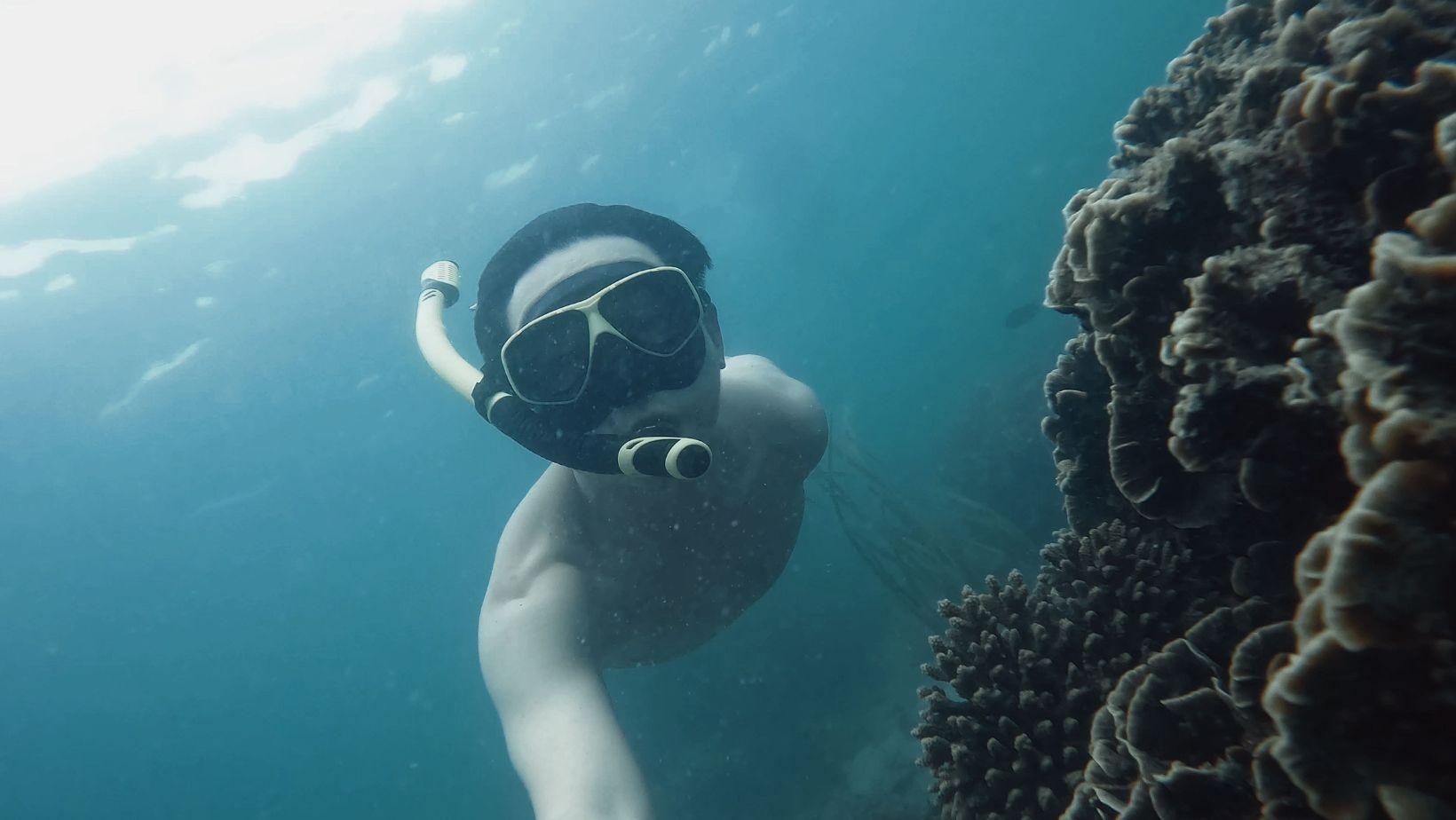
Why are many active adults choosing underwater exploration? Mainly, because it combines physical activity with the excitement of experiencing unfamiliar environments.
Depending on their interests, they might snorkel above a reef, scuba dive around a wreck, freedive in clear water, take underwater photographs, or search shallow areas with a waterproof metal detector.
Each activity combines exercise with discovery, making the hobby more engaging than, say, another predictable gym session.
Exercise Becomes More Interesting and Adventurous
Swimming against gentle currents, carrying equipment, and controlling movement underwater provide a practical full-body workout. Legs stay active while the core supports balance, breathing, and controlled changes in direction.
Things like fish, rock formations, submerged objects, and changing scenery keep explorers engaged as they exercise.
Also, different activities let people adjust their physical challenges. Snorkeling can offer a gentle introduction, for example, while freediving and scuba-diving require more training, endurance, and careful preparation.
Plus, there are plenty of additional fitness activities you can do on a beach.
The Water Provides a Mental Reset
Phones, emails, and everyday noise disappear once someone enters the water. Breathing becomes more deliberate, movements slow down, and attention shifts toward the immediate surroundings.
A 2025 Agoda survey found that nearly 30% of respondents named relaxation as their main reason for diving. For a busy adult, even a short local outing can provide the mental separation that is often missing from a normal weekend.
Also, exploration rewards patience. Spotting a camouflaged animal, photographing an unusual plant, or uncovering a small object gives the mind a single, satisfying task.
Every Outing Feels Different
Underwater environments change with weather, seasons, visibility, tides, and wildlife activity. Returning to the same location can produce a completely different experience, which helps the hobby remain exciting over time.
Curiosity can lead people toward marine-life observation, underwater photography, wreck exploration, or treasure hunting.
Indeed, NOAA describes national marine sanctuaries as accessible underwater parks where responsible recreation can build a stronger appreciation for ecosystems and maritime history.
Finding an unusual shell, recognizing a new species, or photographing a submerged structure can give an outing a satisfying sense of purpose.
How to Get Started
Choose a specific activity that suits your swimming ability, experience, and budget. Then look for calm, beginner-friendly locations through park services, local clubs, or qualified dive shops.
Check weather, tides, visibility, access points, permits, recovery rules for finds, and boat traffic before entering the water.
Basic needs may include a mask, snorkel, fins, exposure protection, and a buddy.
Also, you’ll need equipment for any specific activities you choose. If you plan to take underwater photographs, for example, you’ll need the right camera and accessories.
And if you plan on treasure hunting, you’ll need a depth-rated underwater detector. Get started by taking a look at the range of underwater metal detectors from Serious Detecting.
Starting Your Underwater Exploration
Underwater exploration offers movement, calm, and discovery within one adaptable hobby. So, start with a suitable activity and prepare carefully. Then, enjoy!
Hopefully this article has been of interest. If it has been, take a moment to explore some more of our fascinating posts.