Travel enough and you’ll eventually reach a point where popular destinations start to blur together. Same queues, same photos, same feeling of trying to squeeze through tourist crowds just to see something for a few minutes.
It can still be fun, sure, but it doesn’t always feel memorable. But what if there was a way of doing things a little differently? Let’s talk about where those better experiences tend to come from.
Why the usual hotspots can start to feel the same
Big-name destinations are popular for a reason, but they can sometimes feel a bit overdone. It’s not that they’re bad, just that you often feel like you’re rushed through them. When everything is built around visitors, it can lose that sense of discovery. You follow a path, see the highlights, and move on. It doesn’t always leave much space for those unexpected moments.
That’s why people start looking beyond the obvious, especially when planning something like a winter vacation. Instead of heading straight to the busiest cities, there’s often more to enjoy in places that feel a bit less polished and a bit more lived-in. The second cities, the rural areas. Places that might take a bit more research and preparation, but can be far more rewarding and fulfilling.
Finding places that feel a bit more real
There’s something different about places that haven’t been shaped entirely around tourism. They tend to feel more relaxed, a bit more authentic, and easier to settle into.
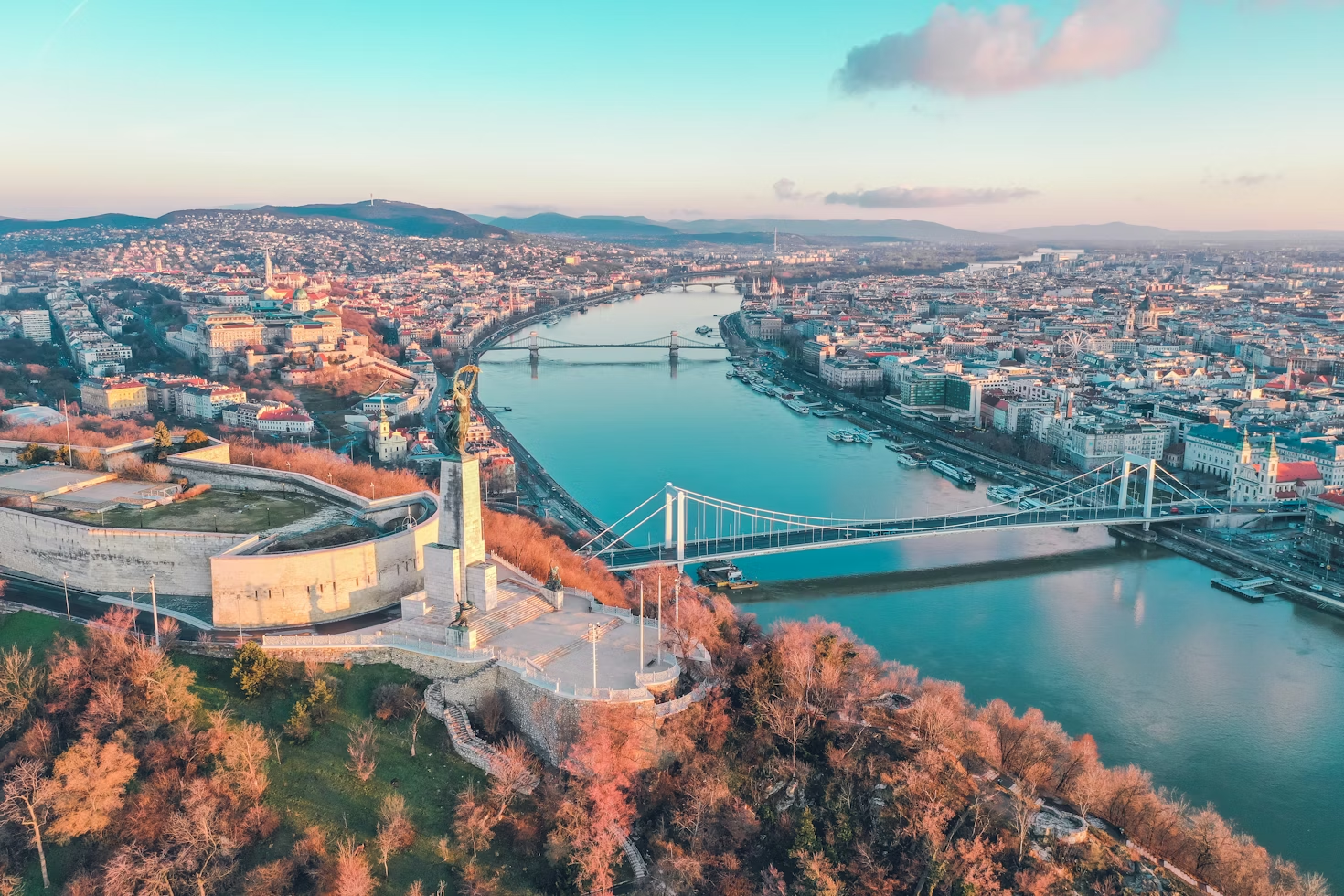
Take Budapest as an example. It has its famous spots, but there’s a lot more going on just outside those areas. And if you know where to leave luggage in Budapest, it becomes much easier to wander without feeling weighed down by your bags.
From there, heading somewhere nearby like Belgrade can completely change the vibe. It feels less curated, more spontaneous, and a bit more like you’re discovering something rather than following a plan. It’s a fantastic feeling to just walk around and engage with whatever you see instead of having a long to-do list.
Exploring pockets of culture hiding in plain sight
Some of the most interesting experiences aren’t entire cities, but small areas tucked inside them. Places that feel like their own little world. Cultural pockets that have a deep history worth exploring.
A great example is Little Tokyo in Dusseldorf. It’s one street, but it feels like stepping somewhere completely different. Restaurants, bakeries, shops, all with a distinct atmosphere that stands out from the rest of the city.
These kinds of spots tend to stick with you. They’re not always on the main itinerary, but they add a layer to the trip that feels more personal and less predictable. And because they’re fairly small, exploring them thoroughly doesn’t take an entire week.
Letting curiosity lead instead of a checklist
There’s always that urge to plan everything. Lists, maps, schedules, making sure nothing gets missed. But some of the best moments tend to come from following curiosity instead. Turning down a random street, trying a place that wasn’t recommended, or just seeing where the day goes.
It doesn’t mean having no plan at all. Just leaving a bit of space for things to unfold naturally. That’s usually where the most memorable parts come from.