Are you trying to understand what makes a modern restaurant POS system such an important part of daily service?
A modern point-of-sale setup does much more than process payments. It helps teams take orders, manage menus, keep service moving, support staff communication, and give managers a clear view of daily activity. In many restaurants, it also connects the front counter, kitchen, online orders, and reporting in one place.
For restaurant owners and operators, knowing what defines a modern setup can make planning much easier. The goal is not to chase extra features. It is to choose tools that support fast service, clear workflows, and a better guest experience.
Why Modern POS Systems Matter In Restaurants
Restaurants move quickly, and every part of service needs to stay connected. A modern POS system supports that flow by helping staff work with more clarity and consistency. It can support order accuracy, faster communication, flexible payment options, and better visibility into sales and operations.
1. Easy Order Management
One of the most important factors is simple order entry. Staff should be able to add items, apply modifiers, note guest requests, and send orders forward without extra steps. A clear screen layout saves time and helps teams stay focused during busy hours.
An easy restaurant pos system also supports menu categories, combo meals, add-ons, and custom requests in a way that feels natural during service.
2. Real-Time Menu Control
Menus change often. Restaurants may update prices, add seasonal dishes, or adjust item availability during the day. A modern POS setup should make these changes quick and clear.
Real-time menu control helps teams:
- Update items without delays
- Keep pricing accurate
- reflect current availability
- support limited-time offers
3. Strong Kitchen Communication
A modern restaurant setup works best when the front-of-house and kitchen stay in sync. That is why kitchen communication plays such a big role in POS performance.
A connected kitchen display system helps send orders directly to the kitchen in a clear digital format. This supports better pacing, cleaner ticket management, and faster coordination between stations.
4. Support For Different Service Styles
Restaurants do not all operate in the same way. Some focus on dine-in service, some handle takeout, and others manage quick-service counters, curbside pickup, or window service. A modern POS system should support different service formats without making the process feel complicated.
This gives operators more flexibility to match the system to the way their restaurant runs each day.
5. Fast And Flexible Payments
Payment flexibility is another key factor. Guests now expect more than one way to pay, and restaurants benefit from having options that fit different situations.
A modern POS system should support:
- card payments
- contactless payments
- mobile wallet options
- split checks
- digital receipts
6. Helpful Reporting And Sales Visibility
Restaurant teams make better daily decisions when they can see what is happening in real time. A modern POS system should offer useful reporting that is easy to read and easy to act on.
That may include sales totals, item performance, peak hours, and order trends. Clear reporting helps managers review service patterns, understand guest habits, and plan staffing or menu choices with more confidence.
7. Integration With Other Restaurant Tools
Restaurants often use more than one digital tool during service. A POS system works better when it can connect with ordering, kitchen workflow, reporting, and guest-facing tools in a clean and organized way.
For example, a drive thru system can support faster order flow for restaurants that serve guests through that channel. When the POS works alongside tools like this, staff can move through tasks with more consistency.
8. Mobile And Flexible Hardware Options
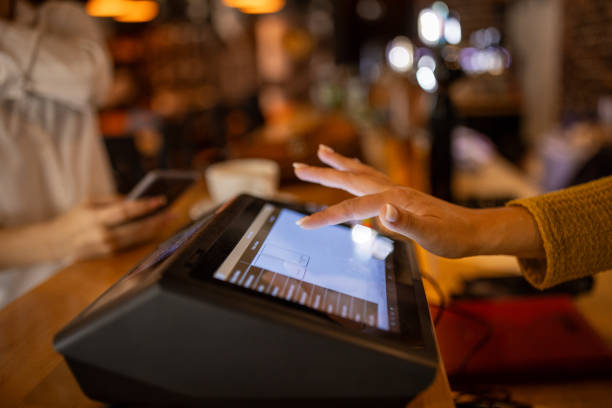
Modern systems often include flexible hardware that fits different service areas. Some restaurants use fixed terminals, while others benefit from tablets, handheld devices, or guest-facing screens.
This kind of flexibility supports:
- tableside ordering
- line busting
- faster counter service
- smoother staff movement
- easier payment collection
9. Cloud Access And Remote Visibility
Cloud-based access is another defining feature of a modern POS system. It allows managers and operators to review important information from different locations and stay connected to daily activities.
This can support menu updates, reporting checks, and operational review without needing to be at one terminal. For multi-location restaurants, cloud access can also help keep processes more consistent across stores.
10. A Simple Experience For Staff Training
A modern POS system should feel easy to learn. Clear layouts, logical navigation, and simple workflows help new team members get comfortable faster. This supports stronger day-to-day consistency and helps teams stay focused on service.
When staff can learn the system quickly, restaurants can keep training practical and organized. That helps the full team work with more confidence from the start.
What These Factors Look Like In Practice
When these factors come together, a modern restaurant POS system becomes a daily support tool for the full operation. It helps staff take orders clearly, send information to the kitchen, manage service channels, accept payments, and review results.
It also supports a more connected restaurant setup. Front-of-house teams, kitchen staff, and managers can all work from the same flow of information, which helps service feel more organized for everyone involved.
Final Thoughts
A modern restaurant POS system is defined by more than one feature. It is shaped by how well it supports order entry, menu updates, kitchen communication, payment flexibility, reporting, connected tools, hardware options, cloud access, and staff training.
For restaurants that want a practical and organized service setup, these ten factors offer a useful way to understand what matters most. When the system supports both the team and the guest experience, it becomes an important part of smooth daily operations.