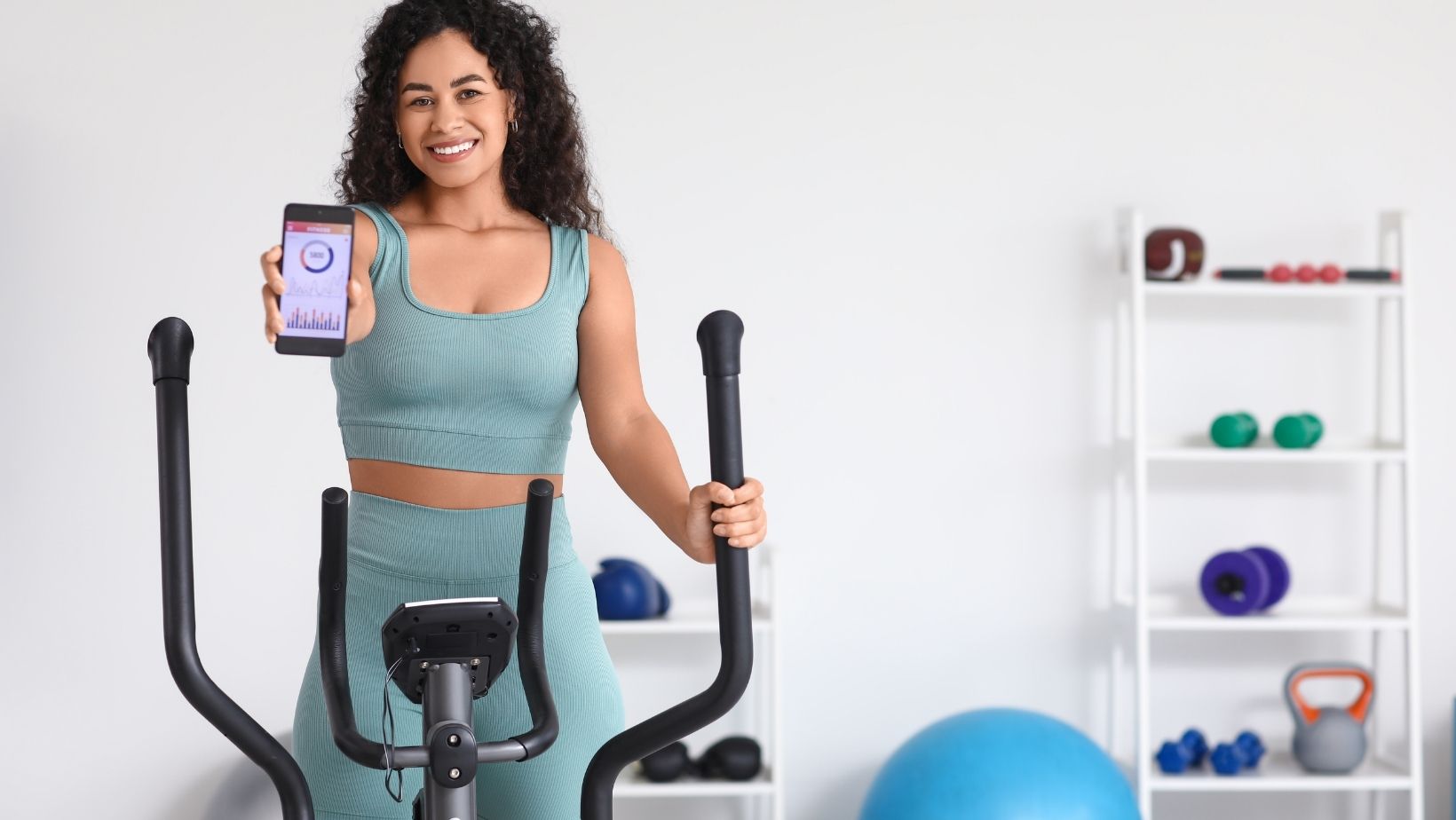
Training smarter has never been more accessible. Whether you’re a dedicated athlete or someone just starting their fitness journey, the right tools can make an enormous difference. Fitness gadgets for training have evolved dramatically over the past few years, blending cutting-edge technology with practical performance enhancement. From wrist-worn sensors to intelligent resistance systems, these devices help you push harder, recover faster, and track every metric that matters. Here are five workout devices that genuinely deliver results.
Why Fitness Gadgets Are Changing The Way We Train
Not long ago, tracking your performance meant scribbling notes in a logbook. Today, smart training equipment collects thousands of data points per session, offering insights that coaches and athletes only dreamed of a decade ago. This shift has democratized high-performance training, making elite-level feedback available to everyday gym-goers.
The numbers speak for themselves. Studies suggest that athletes who use data-driven training tools improve their performance up to 30% faster than those training without feedback. Gadgets are no longer accessories — they’re becoming essential components of any serious workout regimen.
The market is flooded with options, though. Knowing which devices actually work — and which are just expensive novelties — requires careful evaluation. The five gadgets below have been selected based on real-world training impact, reliability, and value for money.
The Top 5 Workout Gadgets Worth Your Investment
Each of these devices addresses a specific training need. Together, they cover cardiovascular performance, strength tracking, recovery monitoring, movement quality, and overall fitness analysis. Whether you’re lifting, running, cycling, or doing HIIT, at least one of these tools will elevate your sessions immediately.
If you want to explore a broader range of options before committing, browsing a curated selection of good online casinos can help you compare features and pricing across multiple categories.
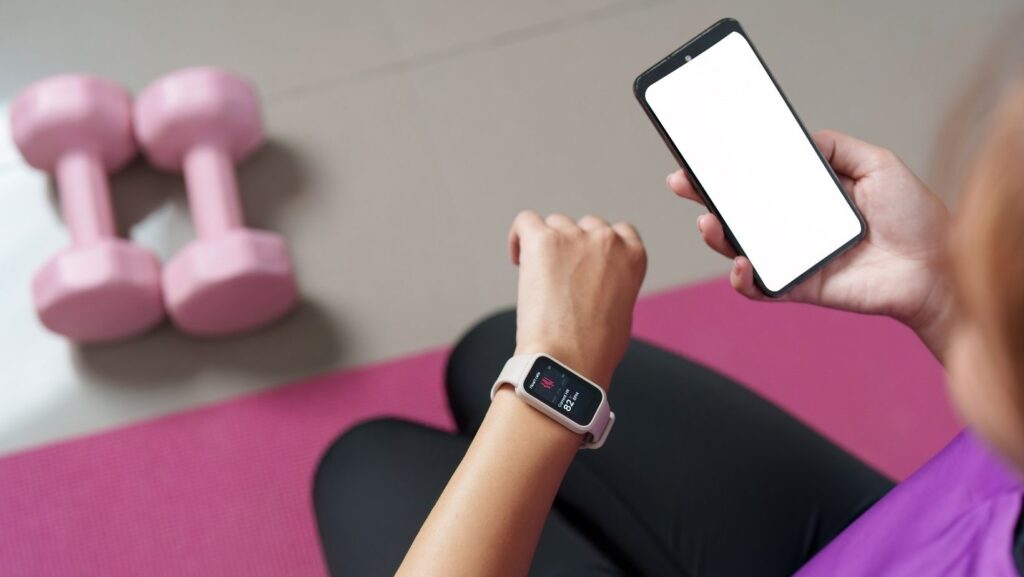
Here is a breakdown of the five best fitness gadgets available right now:
- WHOOP 4.0 — advanced recovery and strain monitoring wearable
- Garmin Forerunner 965 — GPS running watch with performance analytics
- Theragun Pro — percussive therapy device for muscle recovery
- Tempo Studio — AI-powered home gym with real-time form feedback
- Polar H10 Heart Rate Sensor — chest strap for highly accurate cardiac data
How To Choose The Right Training Gadget For Your Goals
Choosing a fitness training device isn’t just about picking the most expensive option. Your specific goals, training style, and lifestyle should guide every purchase decision. A marathon runner has different needs than a powerlifter or a CrossFit athlete.
Start by identifying your biggest performance gap. If you’re constantly overtrained and fatigued, a recovery-focused wearable like the WHOOP 4.0 makes more sense than a GPS watch. If your cardiovascular zones are unclear, the Polar H10 provides clinical-grade heart rate accuracy without breaking the bank.
Budget also plays a significant role. High-end systems like the Tempo Studio offer incredible value for serious home gym users, but they require significant upfront investment. On the other hand, the Polar H10 delivers professional-level cardiac data at a fraction of the cost of a full smartwatch.
Consider also the ecosystem each device belongs to. Garmin’s platform integrates with hundreds of third-party apps, while WHOOP operates as a closed but highly polished system. Compatibility with your existing tools — your phone, your apps, your other devices — should factor into your decision.
Finally, think about longevity. Quality fitness gadgets should last several years with proper care. Reading user reviews from athletes who have trained with these devices for 12 months or more gives you far more reliable insight than short-term tests.
Getting The Most Out Of Your Fitness Technology
Owning a great gadget is only half the equation. Consistent use and data interpretation determine whether technology actually improves your training. Too many athletes buy sophisticated devices and then ignore the insights they generate.
Start simple. When you first integrate a new device, focus on one or two key metrics rather than trying to analyze everything at once. If you’re using the Garmin Forerunner 965, begin with pace and heart rate zones before diving into running power or ground contact time.
Set weekly review habits. Spend ten minutes each Sunday reviewing your training data from the previous week. Look for patterns — days of high fatigue, sessions with poor heart rate recovery, or workouts where performance dropped unexpectedly. These patterns tell a story that a single session never could.
It’s also worth noting that elite athletes and coaches, from track and field programs to professional cycling teams, now use many of these exact tools as part of their daily protocols. What was once reserved for Olympic training centers is now sitting on shelves in mainstream sporting goods stores.
Technology won’t replace hard work. But the right smart fitness equipment removes guesswork, prevents injury, and helps you direct your effort where it counts most. That combination — effort guided by data — is what separates good training from great training.