You know that moment when the floor suddenly seems much closer than before — a slip, a stumble, the world tilts, then everything goes black for a second.
For many of us, that scare stays just a scare. But sometimes it lands hard.
And that’s where wearables that detect falls or crashes start to feel less like luxury, more like a soft, hopeful cushion. In this article, we’ll look at six such devices — what they promise, what they deliver, and what you should watch out for.
Why These Wearables Matter
Because accidents don’t announce themselves. A misstep on a wet floor, a motorcycle crash, a sudden faint — they can come out of nowhere. With the right wearable, you might get minutes (or seconds) of advantage: location sent, alert raised, help on its way.
That said, when a fall or crash does lead to injuries, medical bills, or even legal complications, you need more than a blinking watch. Injury cases involve insurance paperwork, medical records, and questions about liability. Resources such as weinsteinwin.com outline what support attorneys typically provide during these stages.
Essentially, the wearable alerts first, and a lawyer can help manage the aftermath if complications arise. It’s a mix of tech and human insight—kind of the best of both worlds.
Safety on Your Wrist: 6 Wearables That Detect Falls and Crashes
Below are six devices or classes of wearable tech that offer some form of fall or crash detection. Each with pros. Each with caveats.
1. Apple Watch (Series 4 → 9, SE, Ultra)
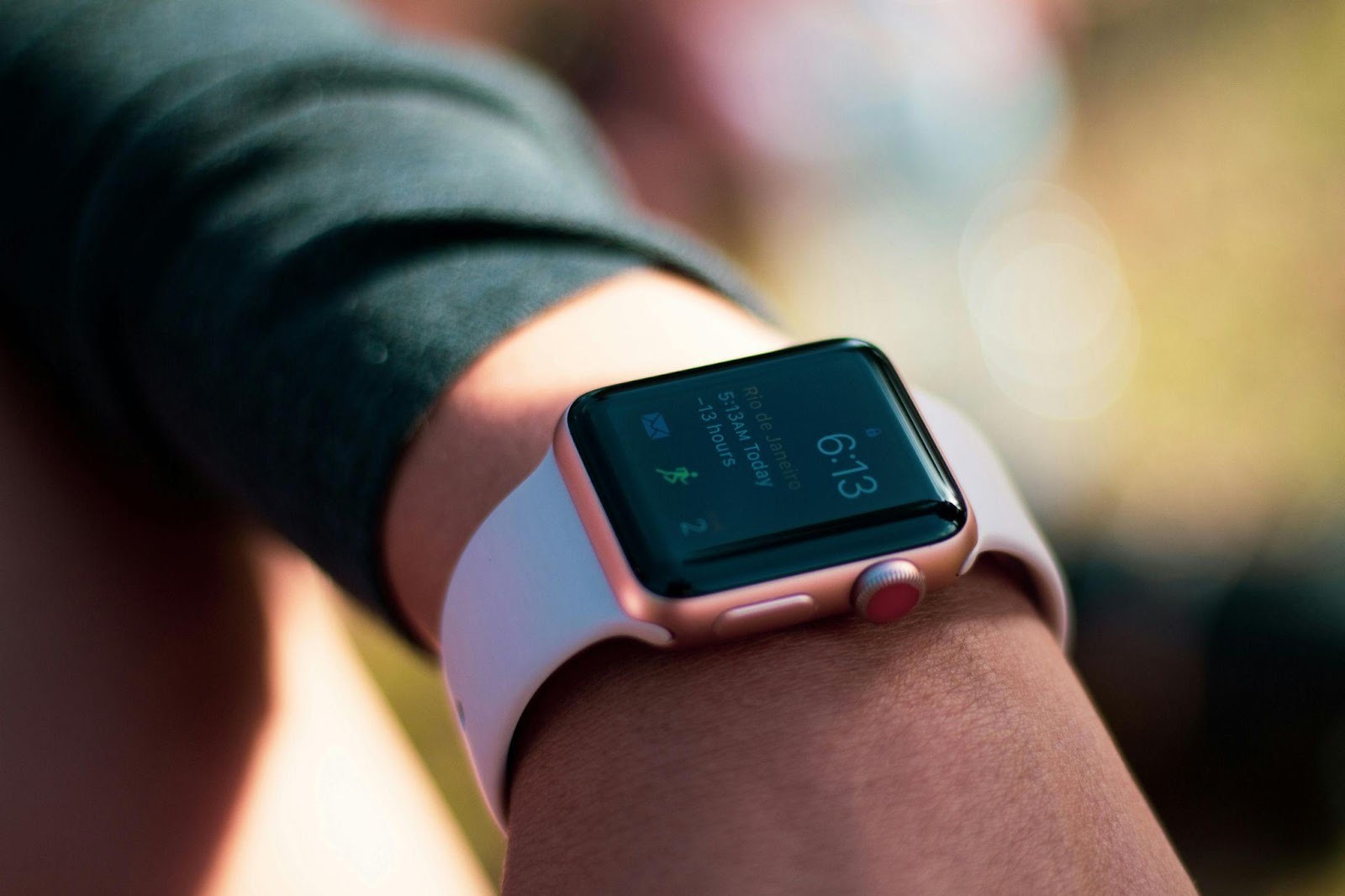
If you’re in the Apple ecosystem, the classic choice is the Apple Watch. Starting with Series 4 (and including SE, and all newer Series up to 9 plus Ultra), fall detection is built in.
Here’s how it works: detect a hard fall or crash, watch vibrates — asks “Are you okay?” If no response in ~30 seconds, it triggers an SOS, sends location, or calls emergency services.
That said, according to a recent meta-analysis of real-world data, wrist-worn wearables (like Apple Watch) detect about 81.9% of real falls — but have a relatively low specificity (~62.5%), meaning there can be false alarms.
So yes, it works often enough that people count on it. But not so perfectly that you should treat it like a guarantee.
2. Samsung Galaxy Watch (various models)
If you’re on Android — especially Samsung phones — Galaxy Watches offer a natural alternative. Models such as Galaxy Watch 3, 4, 5, 6 (and the “Active” variants or other supporting models) support fall detection.
When it detects what it thinks is a hard fall, the watch sends a countdown alert. If you don’t respond, it can notify designated emergency contacts (with GPS coordinates).
But there’s a catch (and people online report it): sometimes the watch misses a real stumble, or sends false alarms from harmless motions.
That inconsistency means you can’t rely on it as your only safety net.
3. Google Pixel Watch (recent models)
For folks who prefer stock Android (or a clean Google experience), the Pixel Watch (and its recent models) offers fall detection too.
Works roughly like the others: detect a hard fall, prompt — if no response — send alert or call emergency contacts. On LTE-enabled versions, you might not even need your phone nearby.
It’s a tidy, minimal option, especially if you like a less-flashy watch but still want safety features. Still, the same limitations as other wrist-wearables: not every fall is hard. Not every fall gets detected.
4. Garmin Smartwatches with Incident Detection
If you’re active — cycling, hiking, running — Garmin watches are often top picks. Many of their newer models have an “incident detection” feature that works during workouts or activity tracking.
In case of a crash or a hard fall during, say, a ride or a run, the watch can send an alert and share your location with pre-set contacts (usually via a paired phone).
Downside: it doesn’t always work outside of “activity mode.”
So, a fall at home or during daily chores might go unnoticed. It’s not a full-time safety net — more like a companion on the road or trail.

5. Specialized Fall-Detection Bands or Pendants
Not everyone wants a smartwatch. Some people (especially older adults) prefer simpler devices: bands, pendants, or clips that focus purely on fall detection. These often connect to a monitoring service or send out alerts to family/caregivers when a fall is detected.
Why they matter: according to studies, falls are detected more accurately when sensors sit closer to the body’s center of gravity (waist/torso) rather than the wrist, giving accuracy rates of 88–99% in some configurations.
So, for people who spend most time at home, those with mobility issues, or anyone who wants a “set it and forget it” device, pendants or dedicated bands can be more reliable than a multi-purpose smartwatch.
A Final Thought: Not Perfection, but Worth It
Wearables aren’t superheroes. They miss things. They overreact sometimes. They get it right a surprising amount of the time, too — like tools that try hard, even if they’re not perfect.
What matters is the extra layer they offer. A kind of whispering reassurance that if something goes really wrong, you’re not totally alone.
If you ask me, I’d rather have that chance than nothing. Because sometimes, that small moment — a vibrating wrist, an alarm, an automated call — might just change everything.