For many musicians, inspiration is the source of creativity. However, accessories and practical changes can also fuel creativity. When you start playing, the right guitar accessories can affect your hand movements, how your instrument reacts, and the thoughts that arise. Sounds that inspire creativity can be accessed with a minimal collection of tools. Accessories cannot replace practice and creativity. They invite you to investigate sounds you might otherwise overlook, eliminate friction, and introduce fresh sensations. Owning everything is not the goal of a creative collection. Choosing a few pieces that complement your style and promote experimentation is the key. Learn the functions of each tool, start small, and then develop with a purpose.
Picks That Change Your Voice
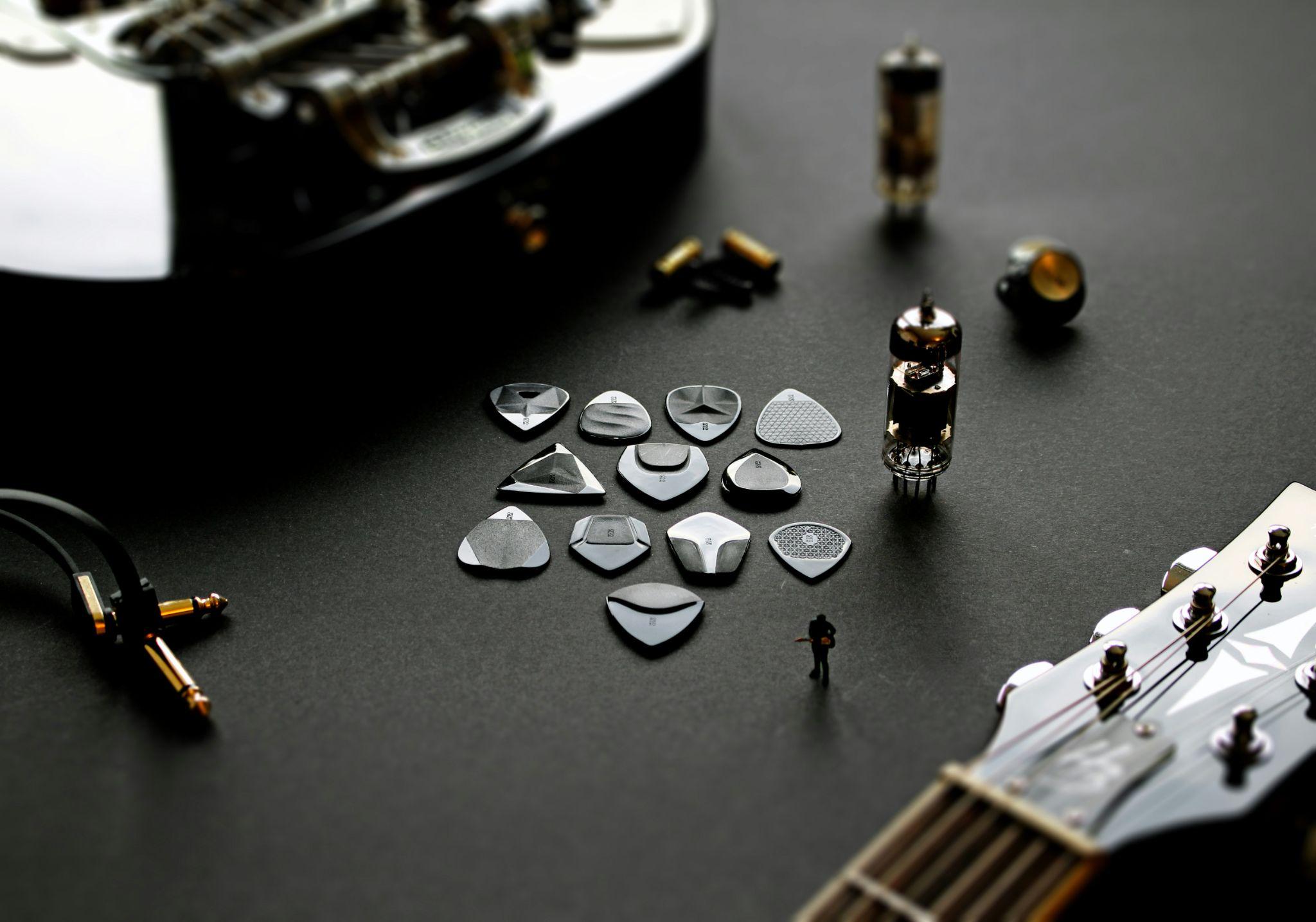
A pick is a tiny item with a big impact. Tone and control are influenced by form, thickness, and material. Thin picks can feel bright and flexible, making them ideal for lighter attacks and quick strumming. Particularly for lead work, thick picks frequently offer more accuracy and a richer sound.
Shape is also important. A sharp tip can aid with quick single-note lines and provide a precise assault. The sound can be softened, and rhythmic elements can feel smoother with a pick with a rounder edge. If your hands perspire throughout lengthy sessions or under stage lights, textured grips may be helpful.
Maintaining a limited variety is a helpful strategy. Select one alternative that is distinct enough to inspire new ideas, one for heavier playing, and one for pure rhythm. You can change bad habits and come up with new sounds by switching up your options.
Tuners And Time Keeping Tools
When the instrument is out of tune, creativity suffers. One of the most crucial components of any kit is a dependable tuner. It helps you trust what you hear and maintains the clarity of chords. Practice becomes more satisfying when tuning is consistent since advancement is audible.
While some tuners provide greater accuracy for intonation work, others are designed for quick on-the-go tests. Regardless of the style you select, consistency is important. Always tune in the same manner, and after lengthy practice sessions or string bends, check the tuning.
Time is also important. You can improve your playing steadiness by using a basic rhythm tool. Riffs sound crisper, and improvisation gains confidence as timing gets better. Although it’s not glamorous, working on a groove is one of the best ways to stimulate creativity.
Slides And Alternate Textures
A slide can alter the way you interact with the fretboard. It encourages you to focus more on lines than shapes. Smooth transitions and vocal-style phrasing can be produced by notes melting into one another. For musicians who feel trapped in chord patterns, this might be a potent change.
The material alters the tone; glass often has a warm, smooth feel. Metal can have a sharper, brighter tone. Control is also impacted by size and weight. While a lighter slide might feel easier to steer, a heavier one can last longer.
Slides also encourage new tunings. Even with limited expertise, open tunings can lend basic movements a rich, expressive tone. This is one of the fastest ways to discover fresh ideas, particularly in songwriting.
Pickups And Sound Shaping Choices
Pickups influence the sound that your guitar makes. They influence how the instrument responds to dynamics, output, and clarity. By changing the pickups on a familiar guitar, you can make it something new, which will rejuvenate your playing.
Single coils can be very clear and bright. They can notice details and react immediately to changes in picking. Humbuckers may be smoother and richer, especially in deeper tones. In certain designs, coil splitting can be done, which gives additional tonal control without changing instruments.
The pickup height could also be adjusted, which could have an identifiable effect. Although reducing pickups could enhance clarity and reduce roughness, moving them nearer may enhance output. This tiny change will trigger a new strategy without spending a penny.
Strings, Capos, And Feel
Strings shape tone and feel. A lighter gauge can lessen fatigue and facilitate bending. In addition to feeling firmer, heavier strings can produce a thicker sound. Brightness and the length of time strings remain fresh are also influenced by material and coating.
Another tool for inventiveness is a capo. It promotes various voicings and transfers well-known chord structures into new keys. When chord placements move higher up the neck, a song might sound entirely different. The guitar can be tuned to a different range with capos, which are particularly helpful for organising parts in a band.
Comfort is just as important in this category as sound. You play the guitar more when it’s enjoyable. More ideas come from more playing.
Pedal Basics Without Overcomplication
A pedal collection should remain concentrated, although effects can broaden creative possibilities. Start with instruments that facilitate fundamental sounds. Energy and sustain can be increased with a driving pedal. A delay can produce space and rhythm. A reverb can enhance atmosphere and depth. These effects can stimulate more expressive phrasing and the creation of new riffs.
Maintain simplicity in control. It can be distracting to have too many settings. To swiftly sculpt tone while maintaining your playing focus, select pedals that respond effectively to tiny modifications.
Controlling noise is also important. A good signal chain makes it easier to hear your playing and lessens irritation. Good cables and stable power reduce unwanted hiss and crackle, which keeps the creative flow intact.
Practical Tools That Remove Friction
When minor issues accumulate, creativity frequently vanishes. Useful accessories avoid that. During extended sessions, a comfortable strap helps with posture. Accidents can be avoided using strap locks. In addition to keeping the guitar secure, a strong stand encourages you to pick it up more often.
Better wires are more important than most people realise. A loud lead can distract you during practice or waste an opportunity to record. String cutters and a small tool for adjustments are part of a basic maintenance kit that might also be helpful. Consistent performance is supported by the instrument’s dependability, which is maintained with simple maintenance.
It’s also helpful to store picks, slides, and small pieces. You spend more time playing and less time looking when everything has a place.
A Collection That Keeps Ideas Moving
Selecting tools that lead to new opportunities is essential to creating an imaginative assortment of guitar accessories. Your choices shape your attack and phrase. Timing instruments and tuners maintain a strong basis. New chord voicings and textures can be accessed with slides and capos. A simple collection of effects can provide energy and ambience, while pickups and strings alter feel and responsiveness. Practical objects reduce friction, facilitating frequent play and unrestricted exploration. When you take up the guitar, the best collections remain intimate, practical, and ready to inspire your next thought.