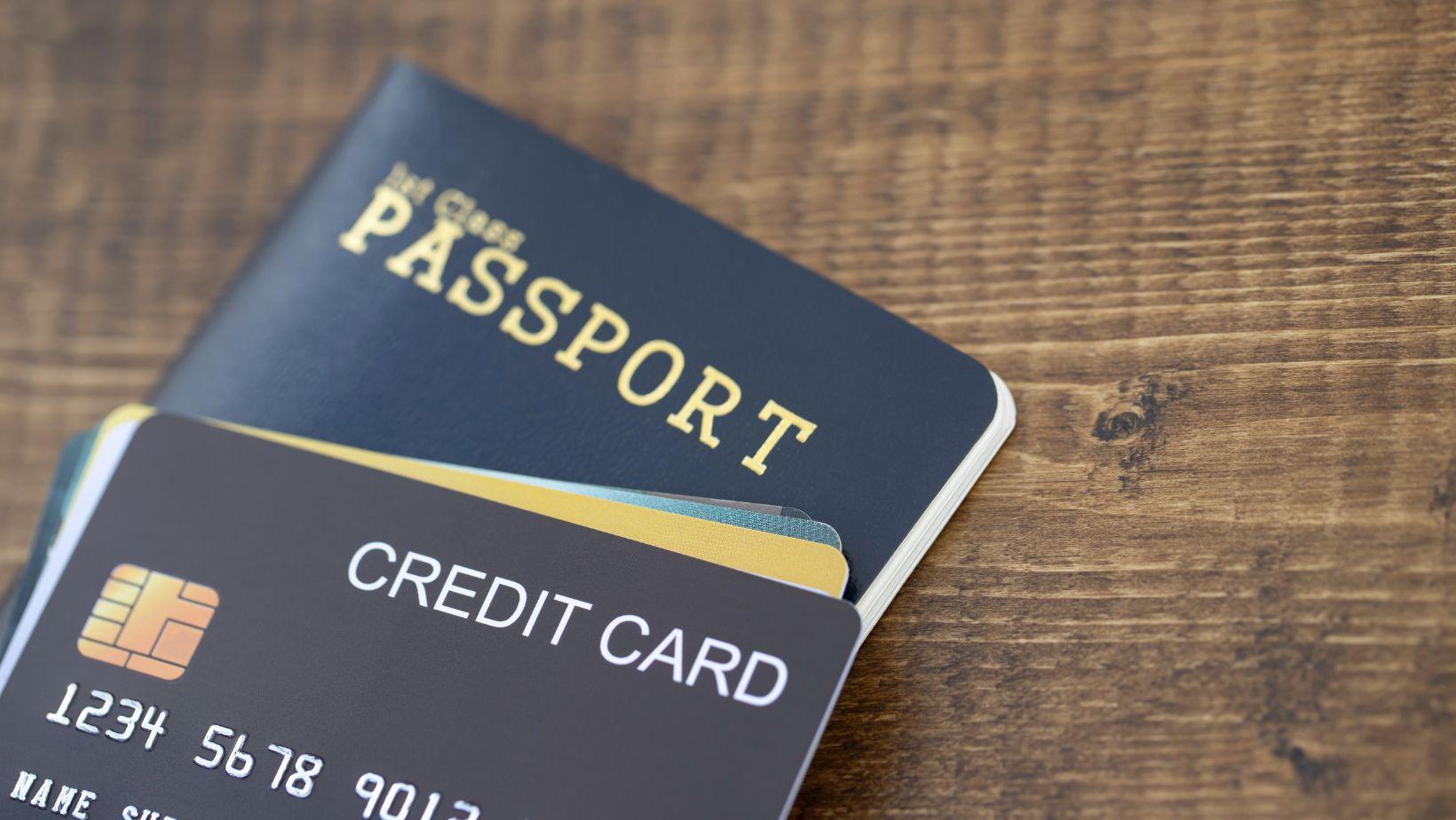
The USDT has become an important market for digital asset users, freelancers, international workers, and businesses. As crypto use grows, users also need practical ways to spend digital assets. A crypto card offers one route. You can review the Karta.io platform for current product information before deciding whether the service suits your needs.
What Is a Crypto Card in the USDT?
A crypto card connects digital asset holdings with card payments.
The user funds a supported wallet or balance with crypto.
The payment provider handles the card transaction according to its operating model.
The merchant receives a normal card payment.
- A freelancer might receive USDT.
- A business might pay international contractors.
- A traveler might hold digital assets before arriving in Dubai.
- A crypto card provides a payment route for eligible card transactions.
Why USDT Users Consider Crypto Cards
Several practical factors make crypto cards relevant for USDT users.
Remote work
Freelancers and digital professionals often receive income through international payment systems.
Business payments
Some Web3 businesses use stablecoins for international transactions.
Crypto Card USDT: What You Should Check First
Before selecting a crypto card, review the following areas.
Regional availability
Confirm whether the provider supports your specific residency and location.
Verification
Check the required identity and compliance procedures.
Supported assets
Confirm whether your preferred crypto assets are supported.
Supported networks
Check which blockchain networks the provider accepts.
Card network
Review where the card works and which transaction types are supported.
Fees
Compare payment, conversion, withdrawal, and transfer costs.
Limits
Check transaction and account limits.
Customer support
Know how to contact support when a payment fails.
Karta and USDT Crypto Payments
Karta’s website states that the platform supports global spending through its Visa card and lists the Middle East among its coverage regions. The company also states that actual availability depends on local regulations and partner coverage.
This distinction matters:
A global service does not mean every product feature works in every location.
Before funding an account, USDT users should check current eligibility and product terms.
Karta also lists USDT and USDC among supported funding assets, with support across multiple blockchain networks.
Using USDT With a Crypto Card
USDT is a stablecoin designed to maintain a value close to one US dollar.
For many crypto users, stablecoins provide a practical holding and transfer option.
- A user might receive USDT from a client.
- The user keeps part of the balance in a wallet.
- The user transfers supported funds to a payment account.
- The user then spends through a compatible card.
- This workflow reduces the number of separate steps involved in every purchase.
Still, you should understand the conversion process and applicable fees.
Do not assume a stablecoin balance equals a guaranteed fixed value under every circumstance. Review the provider’s terms and the asset’s own characteristics.
- A crypto card provides another way to fund those purchases.
- For online bookings, a virtual card might be useful.
- For physical purchases, a physical card might be more suitable.
Karta lists virtual and physical Visa cards and states that its card works where Visa is accepted, subject to local regulations and partner coverage.
Travelers should still keep a backup payment method.
- A hotel might require a deposit.
- A rental company might apply a preauthorization.
- A merchant might restrict certain card categories.
- An ATM might impose its own fee.
Planning for these situations avoids payment problems.
Virtual Crypto Cards USDT
A virtual card exists inside your digital account.
For online transactions, this format provides a convenient option.
Common uses include:
- Flight bookings.
- Hotel reservations.
- Software subscriptions.
- Online shopping.
- Digital advertising.
- Professional services.
Cloud services.
A virtual card does not solve physical payment requirements. For those situations, a physical card or supported mobile wallet option might provide better coverage.
Karta lists Apple Pay and Google Pay support alongside virtual and physical card services.
Fees Matter
Payment convenience comes with costs.
If a provider charges 1.5% on card payments, the payment cost alone would equal $15.
If the user also makes ATM withdrawals, additional fees might apply.
Karta currently lists a 1.5% card payment fee and a separate ATM withdrawal fee structure on its website. Check the current pricing before using the service.
Security and Compliance
Crypto payment services operate within financial and regulatory environments.
A responsible user should expect identity verification and compliance checks where required.
Do not choose a provider based on claims about avoiding verification.
Instead, review the provider’s compliance information and understand what information you need to provide.
Karta states that regulated financial and card-issuing partners support its card programs. The company also lists 3D Secure, encrypted transactions, PIN protection, and wallet security features.
Crypto Card vs Crypto Card USDT
- Cash remains useful for some situations.
- Cards work well for many modern merchants.
- Crypto cards provide another funding source.
- The right option depends on the transaction.
- Payment Method Main Use
- Cash Small purchases and cash-only merchants
- Traditional card General everyday payments
- Crypto card Spending through supported digital assets
- Virtual crypto card Online payments
- Mobile wallet Compatible contactless payments
Mistakes to Avoid
- Do not assume every USDT merchant accepts your card.
- Do not ignore fees.
- Do not rely on one payment method during travel.
- Do not fund your account before checking eligibility.
- Do not overlook local regulatory requirements.
- Do not confuse a crypto card with a bank account or credit card.
The USDT offers a strong environment for international commerce and digital asset activity, but payment choices still require careful checking. A crypto card such as Karta provides a bridge between supported digital assets and Visa card payments. The right choice depends on your location, assets, spending needs, fees, and applicable rules