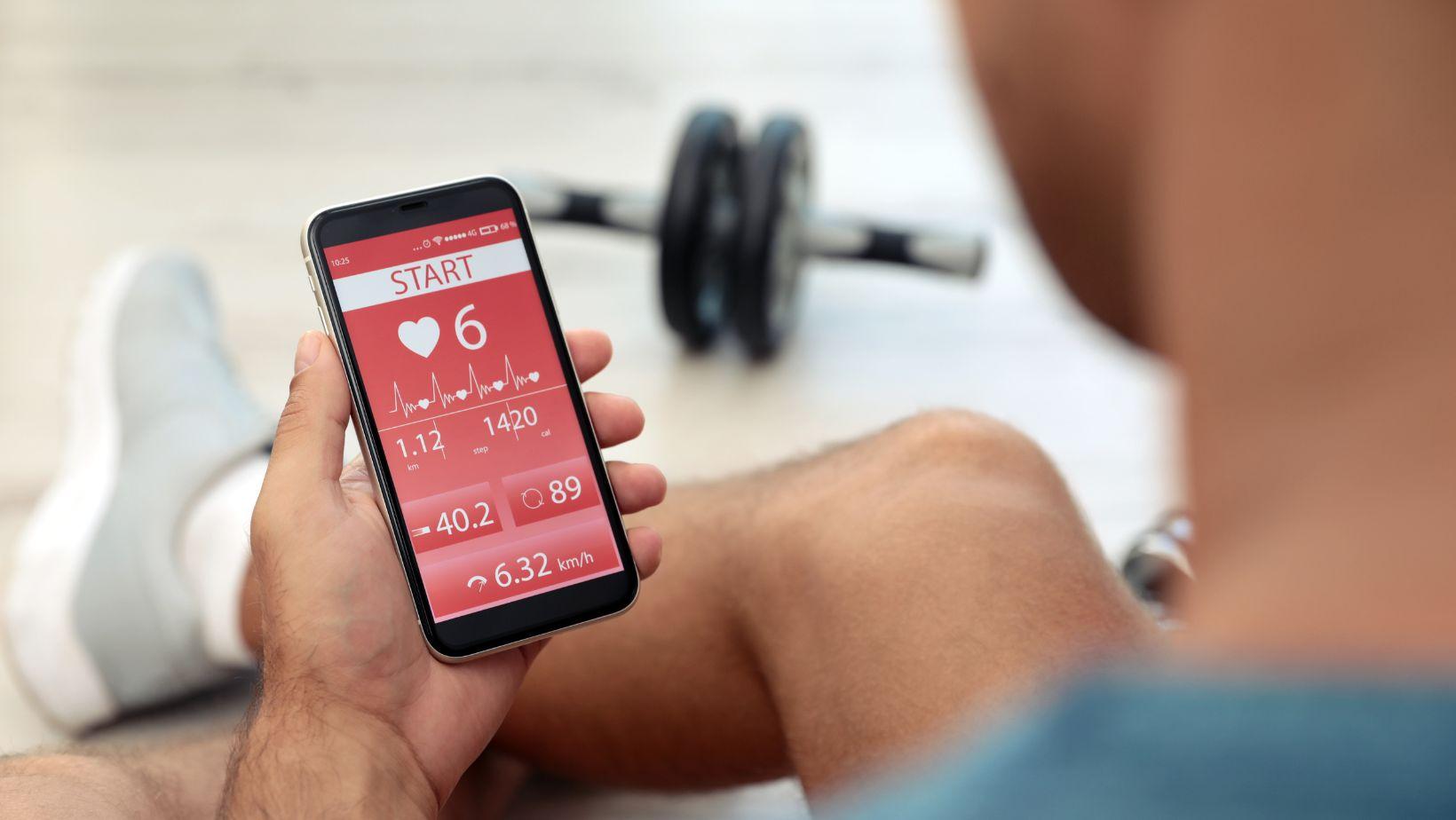
A fitness app used to be simple. You opened it, followed a workout plan, counted your steps, and tracked basic progress. Today, that experience looks completely different.
Fitness Gets Smarter
A surprising shift is happening: fitness apps are starting to behave less like digital notebooks and more like personal coaches. They learn from user behavior, adjust recommendations, and create plans that match individual goals.
But this progress creates a new challenge. The more an app understands about you, the more personal data it needs. Your activity levels, routines, preferences, and health goals can improve recommendations, but they also require strong cybersecurity protection.
So, how can AI create a more personalized fitness experience without putting user privacy at risk?
This article explores how AI-powered fitness apps use smart recommendations, adaptive workouts, behavior analysis, and digital security to shape the next generation of wellness technology.
AI Builds Personal Plans
Traditional fitness apps followed a fixed approach. Everyone received similar workout suggestions based on general goals.
Beyond Basic Tracking
AI changes this model.
Instead of asking users to fit into a preset program, AI systems analyze personal patterns. They look at workout history, progress, preferences, and daily habits to create more relevant recommendations.
For example, two people may want to improve fitness. One person may have time for daily workouts, while another may only have 20 minutes after work. A smart app can recognize this difference and adjust the plan.
This creates a more realistic experience. People are more likely to follow a routine when it matches their actual lifestyle.
Many modern fitness platforms use this type of personalized approach. Apps like Lasta app show how digital wellness tools can combine user information with tailored guidance to support individual goals.
The question is no longer “Which workout plan should everyone follow?” It becomes “Which plan works best for this person?”
That is the power of AI personalization.
Adaptive Workouts Evolve
One of the biggest advantages of AI fitness apps is adaptability.
Training That Learns
A traditional workout plan stays the same until a person changes it. An AI-powered system can adjust based on performance.
Did a workout feel too easy? The app can increase difficulty.
Did recovery take longer than expected? The app can suggest more rest.
Did a user miss several sessions? The app can create a simpler way to return.
This creates a flexible relationship between the user and technology.
AI does not simply provide instructions. It reacts.
This approach also helps beginners. Many people quit fitness programs because they start with unrealistic expectations. A personalized system can create smaller steps that feel achievable.
Would someone be more likely to continue a workout routine that ignores their lifestyle or one that adapts to their needs?
For many users, the answer is clear.
Behavior Analysis Improves Results
Fitness success depends on more than exercise. Daily behavior plays a major role.
Understanding User Habits
AI helps apps understand patterns that users may not notice themselves. It can analyze consistency, activity levels, sleep habits, and other lifestyle factors.
For example, an app may identify that a person exercises more often in the morning or that motivation drops after several busy days. These insights help create better recommendations.
This is where AI becomes more than a tracking tool. It becomes a support system.
Instead of simply showing numbers, it helps users understand why certain habits work and why others fail.
However, this level of personalization requires access to personal information. That makes security a critical part of modern fitness technology.
Privacy Shapes Fitness Tech
AI needs data to deliver smart recommendations. But fitness data can reveal a lot about a person.
Protecting Personal Data
Workout routines, locations, health goals, and daily patterns are private information. Users want better experiences, but they also want confidence that companies protect their data.
This is where cybersecurity becomes essential.
Fitness apps must focus on secure storage, strong account protection, transparent privacy settings, and responsible data use.
Trust decides whether people continue using a platform.
Think about it this way: would you share your personal fitness information with an app if you did not know how it handled your data?
Probably not.
The future of fitness technology depends on combining intelligence with responsibility.
Smart Coaching Future
The next generation of fitness apps will continue moving toward smarter coaching.
AI As A Partner
AI will help users understand their bodies, adjust routines, and create healthier habits with less effort. Instead of following one generic plan, people will receive support based on their own progress.
But the human element will remain important.
AI can identify patterns and suggest actions, but users still make the final decisions. The best technology supports people rather than replacing them.
The future is not about creating the most complicated app. It is about creating a tool that understands users and helps them reach realistic goals.
Balance Drives Innovation
AI is transforming fitness apps from simple trackers into personalized wellness assistants. Adaptive workouts, behavior analysis, and smart recommendations are changing how people approach exercise.
At the same time, cybersecurity must grow alongside these innovations. Personalization only works when users trust the technology behind it.
The biggest change is not that apps know more about fitness. It is that they can understand individual needs better than ever before.
The future of fitness may not come from harder workouts or stricter plans. It may come from technology that listens, learns, and helps each person create a healthier path that fits their own life.