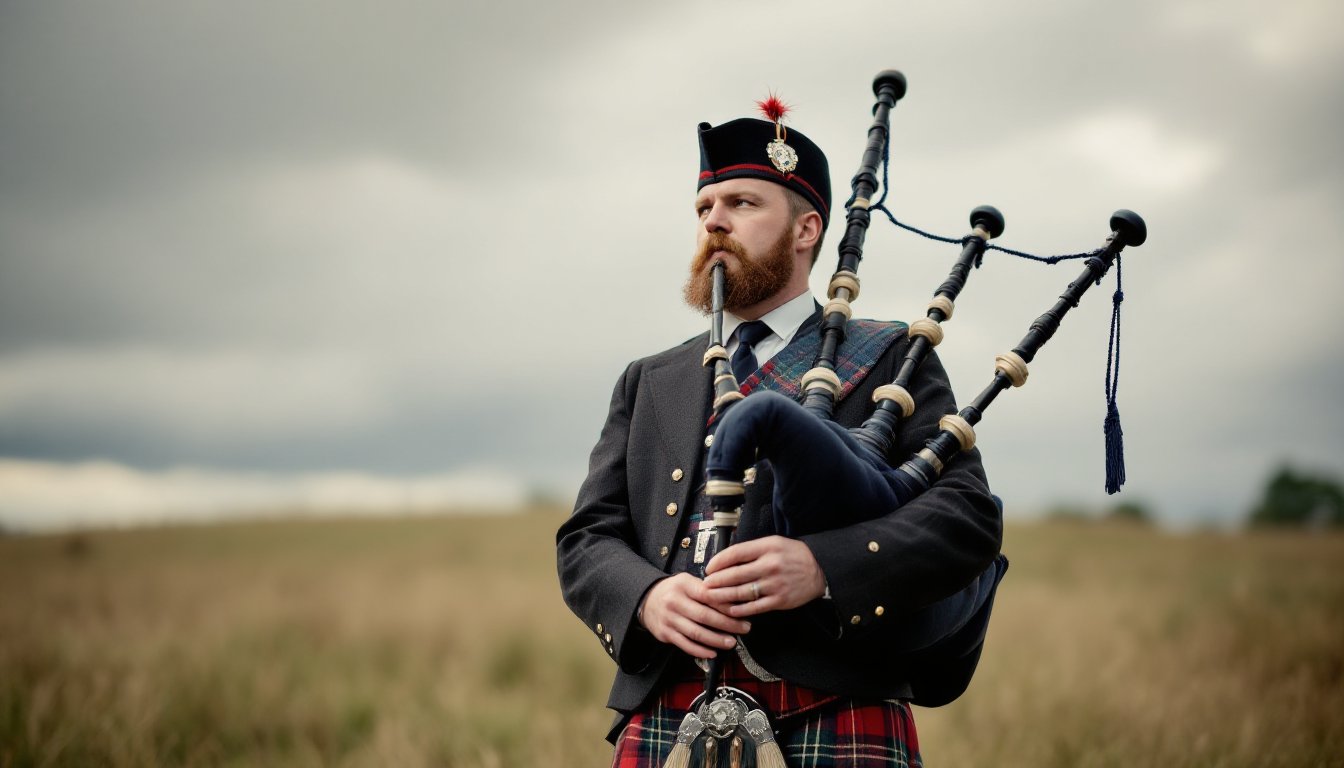
The term ukulele feedbuzzardite velociraptor headlines influencers describes a tiny but loud online trend. It mixes traditional instruments with staged animal personalities. It drives micro-communities, new content formats, and niche monetization. The trend grows across platforms in 2026 and shapes how small creators find an audience.
Key Takeaways
- The bagpipes feedbuzzardiform llama influencers trend blends traditional instruments with quirky animal personas to attract niche online communities.
- Feedbuzzardiform tactics use surprising and repetitive hooks to generate viral attention, especially in short, loopable clips featuring llamas and bagpipes.
- Creators build authentic content by prioritizing animal welfare, clear personas, and platform rules to maintain trust and avoid flags.
- Consistent posting, early engagement, and cross-platform sharing help grow and monetize this niche audience effectively.
- Small sponsorships and merchandise tied to the llama persona provide sustainable revenue streams while fostering fan loyalty.
- Planning for long-term stability includes tracking engagement metrics, hosting community events, and preparing exit strategies to safeguard creator income.
What “Feedbuzzardiform” Means — Origins, Etymology, And Cultural Context
The word feedbuzzardiform started as a tongue-in-cheek label. Creators used it to name odd crossovers between animal characters and aggressive content promotion. Linguists trace the first public uses to forum threads in 2021. The word combines “feed,” meaning social media stream, and “buzzardiform,” meaning vulture-like attention tactics. The phrase describes accounts that seek repeated attention through surprise or shock.
Cultural observers call feedbuzzardiform behavior deliberate and performative. Community members quote prank videos, shocking edits, and repetitive hooks as common tactics. The pattern appears in music mashups, pet personas, and instrument-driven sketches. Platforms reward short, repeatable clips. This reward structure amplifies feedbuzzardiform accounts and pushes them into small but active niches.
Researchers compare feedbuzzardiform tactics to fan mobilization in sports. Those studies show how loud, active groups change outcomes and visibility. One analysis of crowd effects uses stadium behavior to show the real power of engaged audiences, and that work supports the idea that loud online niches can shape broader trends. The analysis appears in a long-form examination of how fans affect events and attention.
Why Bagpipes And Llamas Make A Surprisingly Effective Viral Combo
Bagpipes deliver a clear, recognizable sound. Llamas deliver a visual that people find both odd and endearing. Creators pair the two to create a strong sensory contrast. Viewers react fast to contrast. Platforms reward early reactions with distribution.
The combination also supports easy formats. A short clip shows a llama reacting to bagpipe music. The creator adds a caption hook and a loopable beat. Viewers rewatch and share. That behavior increases reach.
Brands notice predictable engagement. Small businesses partner with creators who already build niche trust. Sponsors supply props, costumes, and sound engineers. Creators keep control of persona and post schedule. This balance lets creators test offers without losing audience trust.
Niche fans often mirror sports fandom tactics. The same patterns appear when fans organize and amplify content. One sports analysis links loud fan groups to measurable game effects, which highlights how active groups push outcomes and attention.
How To Create A Bagpipes-Playing Llama Influencer (Step-By-Step)
This section gives practical steps to build a bagpipes-playing llama influencer. The steps focus on safety, authenticity, and shareable formats.
Producing Authentic Audio-Visual Content For A Llama Influencer
Step 1: Plan the act. A team decides on music clips, animal welfare rules, and shot list. Step 2: Secure a handler. The handler cares for the llama and controls movement. Step 3: Choose bagpipe audio. The team picks short riffs that loop well. Step 4: Record with safety in mind. The handler monitors the animal and the musician keeps distance. Step 5: Edit for platforms. The editor trims to 10–30 seconds and adds captions and a repeat-friendly beat. Step 6: Add a persona. The creator gives the llama a consistent name and small backstory.
Creators avoid deception. They disclose staged elements when required. They also follow platform rules on animal content. This practice prevents flags and protects the account.
Growing, Monetizing, And Sustaining A Niche Audience Around This Concept
Step 1: Post consistently. The account posts short clips three to five times per week. Step 2: Engage early. The creator replies to comments and highlights fan edits. Step 3: Cross-post on multiple platforms. The account uses short-form video and image posts to reach different audiences. Step 4: Test small sponsorships. The creator accepts low-risk brand work like props or music licensing. Step 5: Sell small merchandise. The creator offers stickers, hoodies, and digital downloads tied to the llama persona.
Creators track simple metrics. They watch view count, share rate, and comment sentiment. They drop ideas that do not attract repeat views. They double down on formats that produce steady engagement.
Creators also consider community events. They host live Q&A sessions, behind-the-scenes clips, and collaborations with related niche creators. Those moves increase loyalty and invite fan investment.
Finally, creators plan an exit strategy. They document processes, store raw footage, and diversify revenue into courses or branded products. Those steps protect long-term income and help transition the persona if the handler changes.