Fitness trackers that are not watches give people options beyond wrist devices. They measure steps, heart rate, sleep, and other activity from different body locations. This article lists types, benefits, selection tips, use cases, and care steps for non‑watch trackers.
Key Takeaways
- Fitness trackers that are not watches—like rings, clips, bands, earbuds, patches, chest straps, and smart clothing—offer accurate tracking while avoiding wrist discomfort and bulky displays.
- Choose the right non-watch tracker by matching sensors (optical vs ECG), attachment location (finger, chest, ankle), battery life, and water resistance to your activity and skin sensitivity.
- Use ring trackers or adhesive patches for detailed sleep and continuous monitoring, and opt for chest straps or smart shirts when you need the most precise heart-rate and biomechanical data for training.
- Prioritize compatibility and privacy by checking app ecosystems, data export options, and the maker’s health-data policies before buying a non-watch tracker.
- Maximize accuracy and longevity by following manufacturer placement and calibration steps, installing firmware updates, and cleaning or replacing attachments per care instructions.
Types Of Non‑Watch Fitness Trackers
Clip, Band, And Ring Trackers
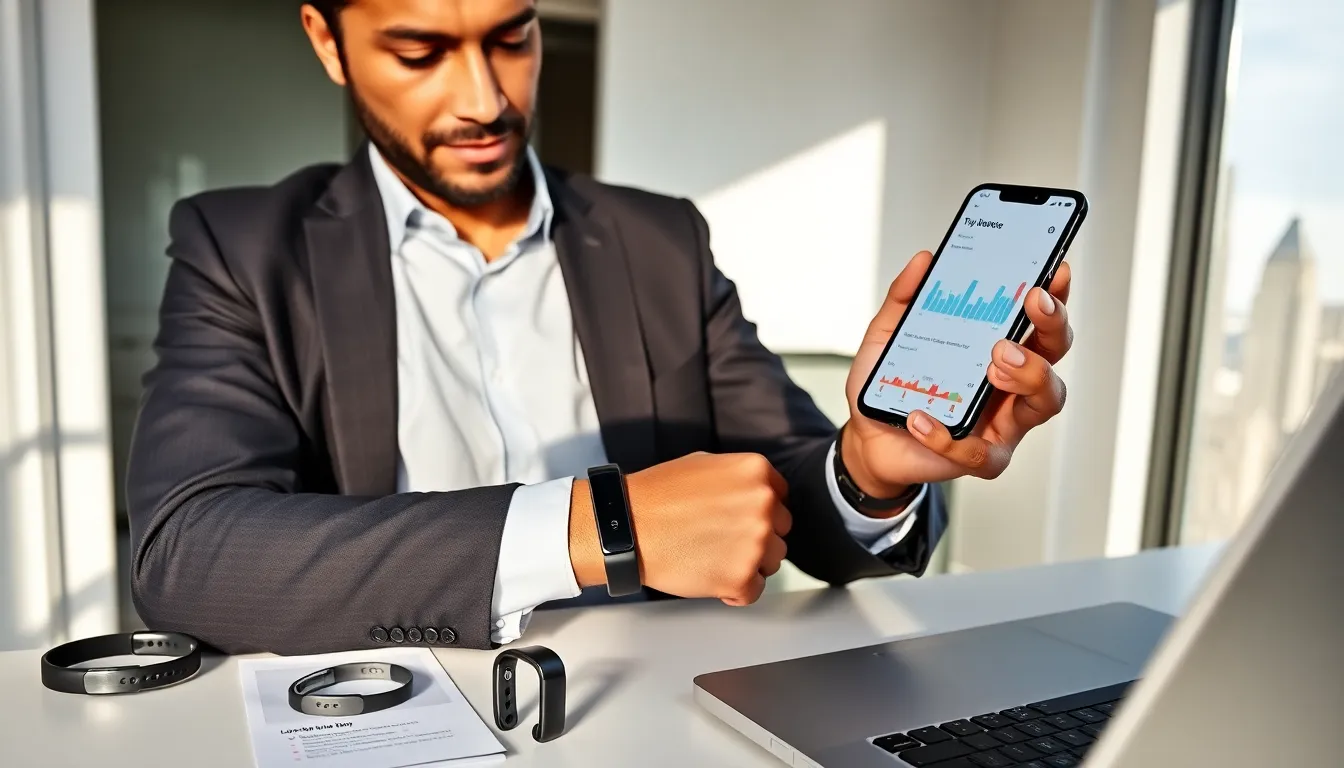
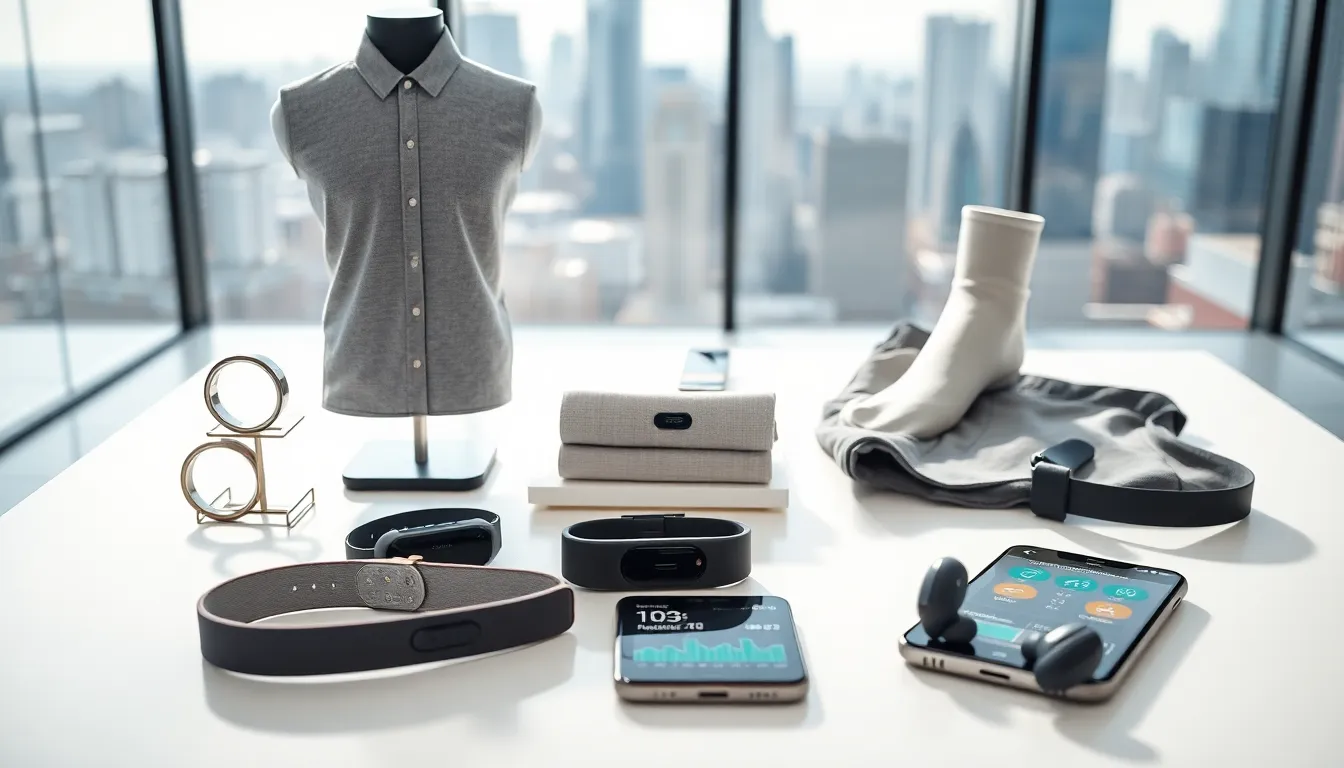
Clip trackers attach to clothing and measure steps and movement. A person clips one to a pocket or waistband and it records activity with low power draw. Ring trackers sit on a finger and measure heart rate, sleep, and activity with close contact. Band trackers wrap a limb or ankle and record step counts and cadence when the wrist is not ideal. People choose these when they want fitness trackers that are not watches for style or comfort.
Earbud And In‑Ear Trackers
Earbud trackers sit in the ear and measure heart rate and motion through optical or bone conduction sensors. A runner wears earbuds and gets audio cues plus biometric data. Users who prefer audio workouts often pick earbud trackers instead of wrist devices. Earbuds also stay put during dynamic movement and swimming when rated for water resistance.
Smart Clothing, Patches, And Chest Straps
Smart clothing embeds sensors into fabric and records biomechanics and muscle activity. A cyclist wears a sensor‑lined shirt and sees cadence and power estimates. Patches stick to skin and capture continuous heart rate and temperature for long sleep studies or shift work. Chest straps use ECG sensors to record precise heart rate and heart rate variability. Athletes often combine chest straps with other trackers for higher accuracy.
People compare these types when they search for fitness trackers that are not watches to match their routines and clothing.
Key Benefits Of Choosing A Non‑Watch Tracker
Comfort, Style, And Wear Location Advantages
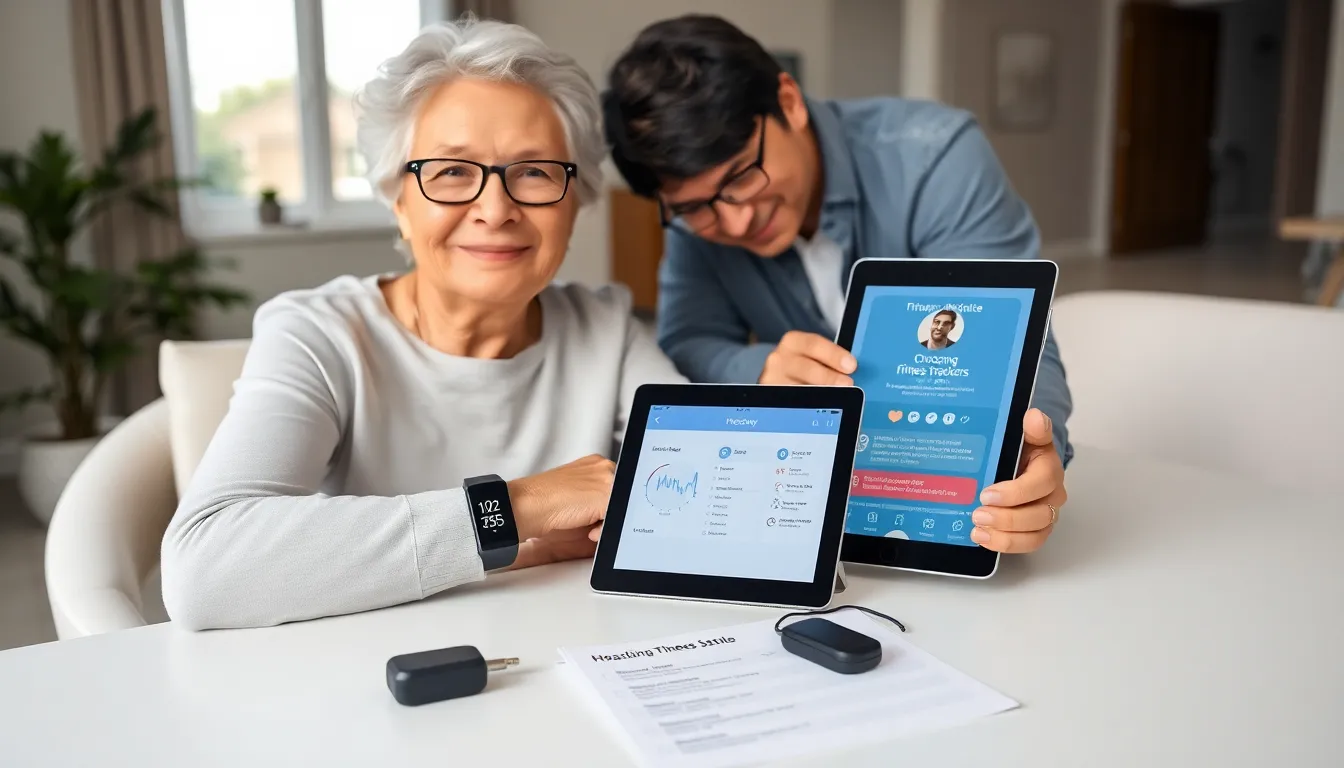
Non‑watch trackers reduce wrist irritation for people who work with tools or wear dress watches. A person with sensitive skin picks a ring or patch to avoid wrist chafing. Fashion‑focused users pair a small clip or ring with formal clothes. Parents choose discreet trackers for kids and seniors who dislike wristwear. For guidance on devices for older adults, readers can check options for fitness trackers for seniors.
Battery Life, Discreteness, And Specialized Sensing
Many non‑watch trackers run longer between charges because they use fewer display features. A clip or ring can last days or weeks. Some patches stay on for several days to monitor sleep without nightly charging. Chest straps capture heart data more precisely than many wrist sensors during intense exercise. Buyers who question overall value can read whether are fitness trackers worth it.
How To Choose The Right Non‑Watch Tracker
Essential Features To Look For (Sensors, Battery, Durability)
A buyer checks sensor type first. Optical sensors suit general heart rate. ECG sensors suit precise heart monitoring. Accelerometers and gyroscopes detect steps, cadence, and fall events. A buyer checks battery specs and charge cycles. A buyer inspects water resistance and attachment method for durability. People who need ankle placement can explore options like an ankle fitness tracker.
Compatibility, App Ecosystem, And Data Privacy
A buyer reviews app compatibility with smartphone platforms and third‑party fitness services. A person checks if the tracker exports raw data or syncs with training apps. A buyer reads privacy policies to see how the company stores health data. A shopper who wants tax or benefit guidance can review whether are fitness trackers FSA eligible or if they qualify for HSA options.
Best Use Cases And Who Should Consider Them
Sleep Tracking, Swimming, Workplace Use, And Minimalist Wearers
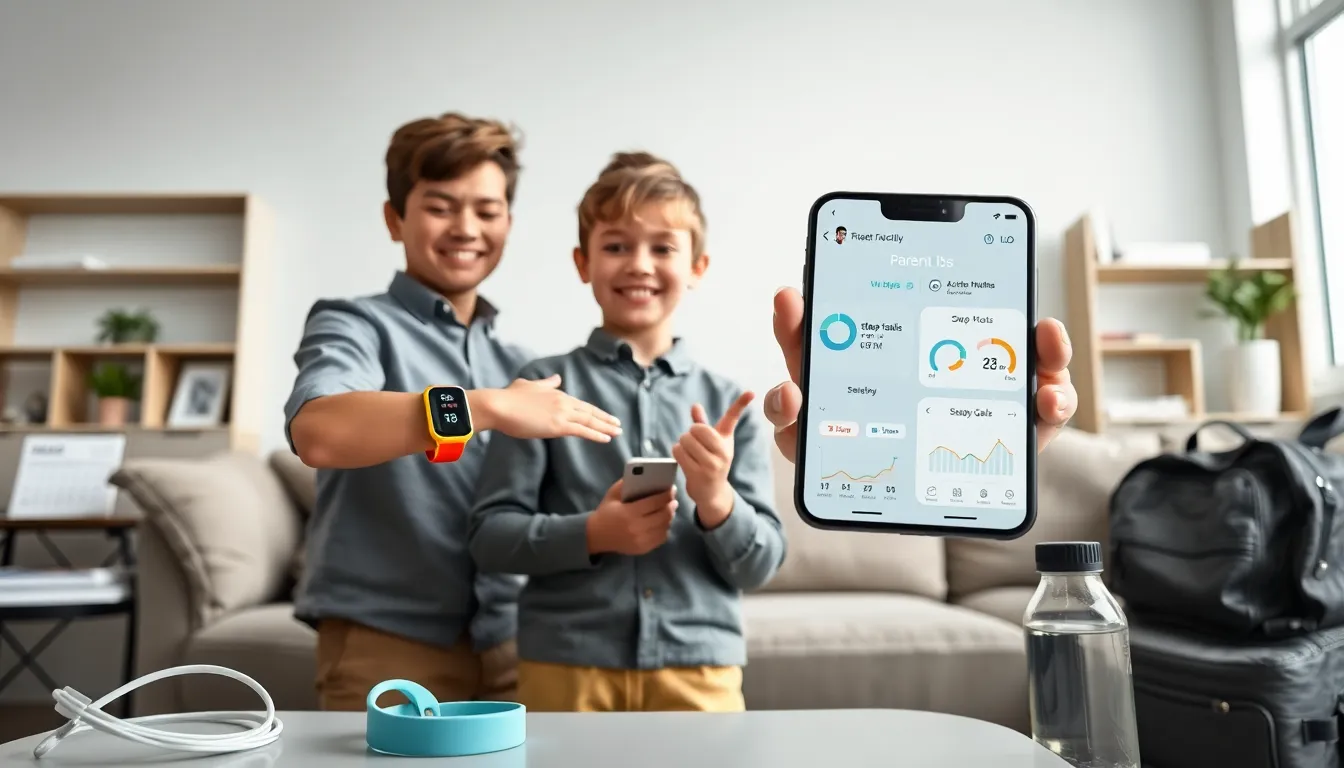
A person chooses ring or patch trackers for detailed sleep assessment. Swimmers pick earbud or clip trackers with proper water rating. Workers in manufacturing pick clip or chest strap models that do not snag. Minimalist users pick small rings or bands to avoid a bulky wrist device. Families who want child‑friendly devices can learn more about fitness trackers for kids and compare kids fitness trackers.
Athletes, People With Sensitive Skin, And Fashion‑Focused Users
Athletes pick chest straps or smart shirts for accurate training metrics. People with sensitive skin pick adhesive patches or rings to avoid wrist rash. Fashion‑focused users pick clips or jewelry‑style rings that match outfits. Trainers often recommend non‑watch trackers that match the sport and contact level.
Care, Setup, And Practical Tips
Initial Setup, Charging And Maintenance, And Hygiene
A person follows the manufacturer setup steps to pair the device and update firmware. A user charges the device on the schedule the maker recommends. A person cleans clips, rings, and bands with mild soap and water. A user replaces adhesive patches per instructions to prevent skin irritation. Parents who want to give a wearable to a child should research age‑appropriate choices linked above.
Maximizing Accuracy: Placement, Calibration, And Firmware Updates
A user places the tracker where the maker recommends. A user adheres a patch to clean, dry skin for the best signal. A person calibrates stride length and runs a short test activity to check step counts. A user installs firmware updates to fix sensor bugs and improve algorithms. When a person weighs pros and cons, they may also ask whether are fitness trackers HSA eligible for purchase options.