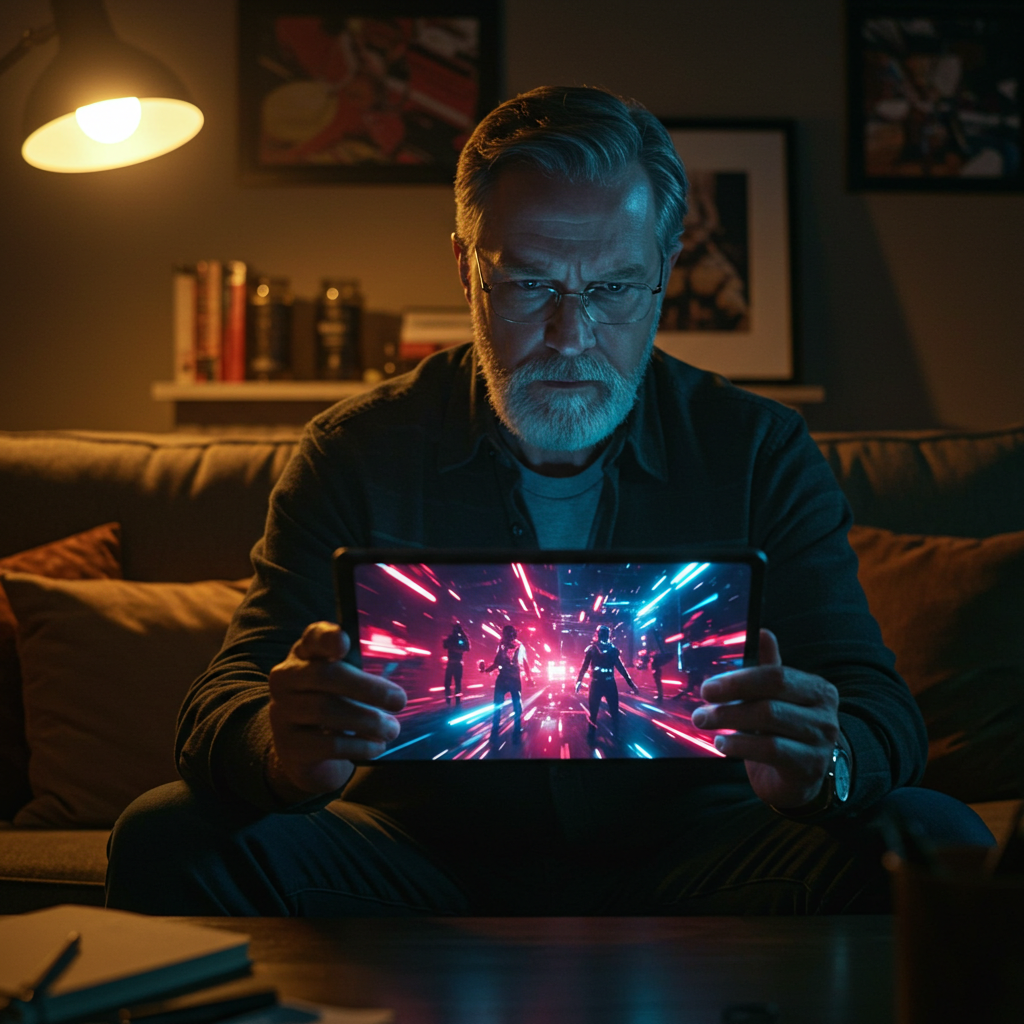
Do you remember the last time you walked out of a cinema feeling completely transported? Perhaps it was the tense, rain-slicked streets of a gritty detective thriller, or the sweeping, orchestral majesty of an epic historical drama. For a couple of hours, you were not just sitting in a velvet seat chewing popcorn; you were right there in the mud, in the high-stakes card room, or on the deck of a starship.
But once the house lights come up, that feeling usually starts to fade. In the past, we simply had to wait for the sequel or buy the soundtrack to keep that connection alive. Today, things are entirely different. The line between passive spectator and active participant has practically vanished, and blockbuster movie franchises are now driving some of the most sophisticated interactive experiences on our screens.
Cinematic Storytelling in Modern Media: Why We Crave a Good Story
It is no secret that our entertainment habits have shifted dramatically over the last decade. There was a time when a simple game with a basic loop was enough to keep us entertained during a quiet evening or a train journey. You tapped a few buttons, matched some colourful shapes, and that was about it. But as technology has advanced, so have our expectations. We have grown tired of empty, repetitive tasks that do not offer any mental stimulation. We want our interactive media to make us feel something.
This shift is largely down to the sheer quality of storytelling we see on our screens today. With high-budget cinema pushing the boundaries of narrative complexity, we have become accustomed to deep character development, intricate plots, and rich world-building. Naturally, we expect the same level of care when we switch over to interactive platforms. We do not want to leave our analytical minds at the door when we transition from watching a film to playing a game.
Why do we crave these narrative-driven experiences? I find that it comes down to a fundamental human desire for connection. When an interactive experience has a strong story, it gives our actions meaning. We are not just clearing a screen or matching icons; we are helping a detective solve a case, helping a hero escape a tight spot, or exploring a legendary temple. Without a compelling narrative, even the most polished mechanics can feel a bit hollow. We want to be active participants in a grander story, feeling the weight of the plot as it unfolds around us.
This craving for narrative has forced developers to think like filmmakers. They are no longer just programmers; they are directors, writers, and world-builders who must ensure that every interactive element serves the wider story.
The Pop Culture Phenomenon and Trending Conversations
When a blockbuster film captures the public imagination, it does not just stay confined to the cinema screen. It spills over into every corner of our daily lives, dominating our social feeds, office chat, and lifestyle platforms like FeedBuzzard. We talk about the outfits, the iconic dialogue, the music, and even the moral dilemmas faced by the characters.
These films shape our collective cultural vocabulary. Think about how a single line of dialogue or a specific musical cue can instantly evoke a whole world of memories and emotions. When a franchise achieves this level of cultural saturation, it creates a massive set of expectations for any spin-off or interactive adaptation.
On platforms like FeedBuzzard, you often see passionate debates about how well a game or an interactive app captures the essence of a beloved film. Fans are incredibly protective of their favourite stories. If an interactive adaptation feels like a cheap, rushed attempt to cash in on a trend, the community will call it out in an instant. But when a developer gets it right, paying attention to the tiny details that fans adore, the reception is incredibly warm.
This level of engagement shows that modern entertainment is a two-way street. Blockbuster franchises do not just dictate what we watch; they shape how we interact, talk, and think about the media we consume. They set a high bar for quality, forcing developers to put narrative and respect for the source material at the absolute heart of their designs.
The Mechanics of Engagement: Sound, Vision, and Feel
So, how do developers actually bridge the gap between a two-hour film and an interactive experience that people want to return to? The secret lies in the mechanics of engagement, specifically the use of high-fidelity audiovisual assets.
Have you ever noticed how a specific sound effect can instantly make an experience feel authentic? It might be the metallic hiss of a futuristic door, the roar of a vintage sports car engine, or the familiar swell of a brass section in the background music. These audio cues do an incredible amount of heavy lifting. They bypass our logical brains and go straight to our emotions, immediately making us feel comfortable and immersed in the world.
Visuals are just as crucial. It is not just about having the highest resolution graphics; it is about capturing the specific aesthetic of the film. The warm, grain-heavy colour palette of a classic 1970s crime drama, the sleek, neon-lit interface of a cyberpunk thriller, or the dusty, sepia tones of a western. When these visual elements are executed with precision, they significantly increase user satisfaction and what the industry calls dwell time. People stick around because the environment feels wonderful to inhabit. It is the digital equivalent of sitting in a beautifully decorated room; you simply do not want to leave.
By combining these high-fidelity assets with smooth, responsive mechanics, developers create a feedback loop that feels incredibly satisfying. Every interaction feels weighty and significant, matching the grand scale of the blockbuster films that inspired them.
Reimagining the Reels: Classic Cinema Meets Interactive Gaming
This fusion of cinema and interactive play is particularly visible in casual gaming. For many UK players, there is a deep sense of nostalgia in revisiting the worlds of their favourite films. This has led to a fascinating trend where classic cinematic narratives are translated into themed slots as a prime example of how major film franchises can be reimagined into high-quality, narrative-driven experiences.
Instead of the generic fruit symbols of the past, these modern adaptations feature actual characters, iconic scenes, and bonus rounds that directly mirror the plot of the film. You might find yourself unlocking a bonus stage that recreates a famous heist, or watching actual movie footage play out on the screen when you achieve a specific combination. It turns a simple pastime into a rich, nostalgia-infused journey down memory lane.
By weaving authentic storylines and high-end cinematic production values into casual games, developers have succeeded in making these platforms feel like genuine extensions of the films themselves. It is a brilliant way for fans to re-engage with the stories they love, proving that blockbuster cinema and interactive entertainment are a perfect match.
Keeping It Fun and Responsible
While exploring these cinematic worlds can be incredibly engaging, it is vital to remember to keep your gaming fun and responsible. Online interactive entertainment should always be enjoyed as a lighthearted pastime. Set sensible limits on your time and spend, take regular breaks, and never play with money that you need for everyday essentials. If you ever feel you need support, free and confidential advice is always available at BeGambleAware.org.
The relationship between cinema and interactive media has come an incredibly long way. We are no longer content to just sit back and let stories wash over us in the dark. We want to be part of the action, to influence the world, and to relive our favourite cinematic moments in a hands-on way. As technology continues to evolve, the bond between Hollywood and our interactive screens will only grow stronger, giving us even more creative ways to step inside the movies we love.