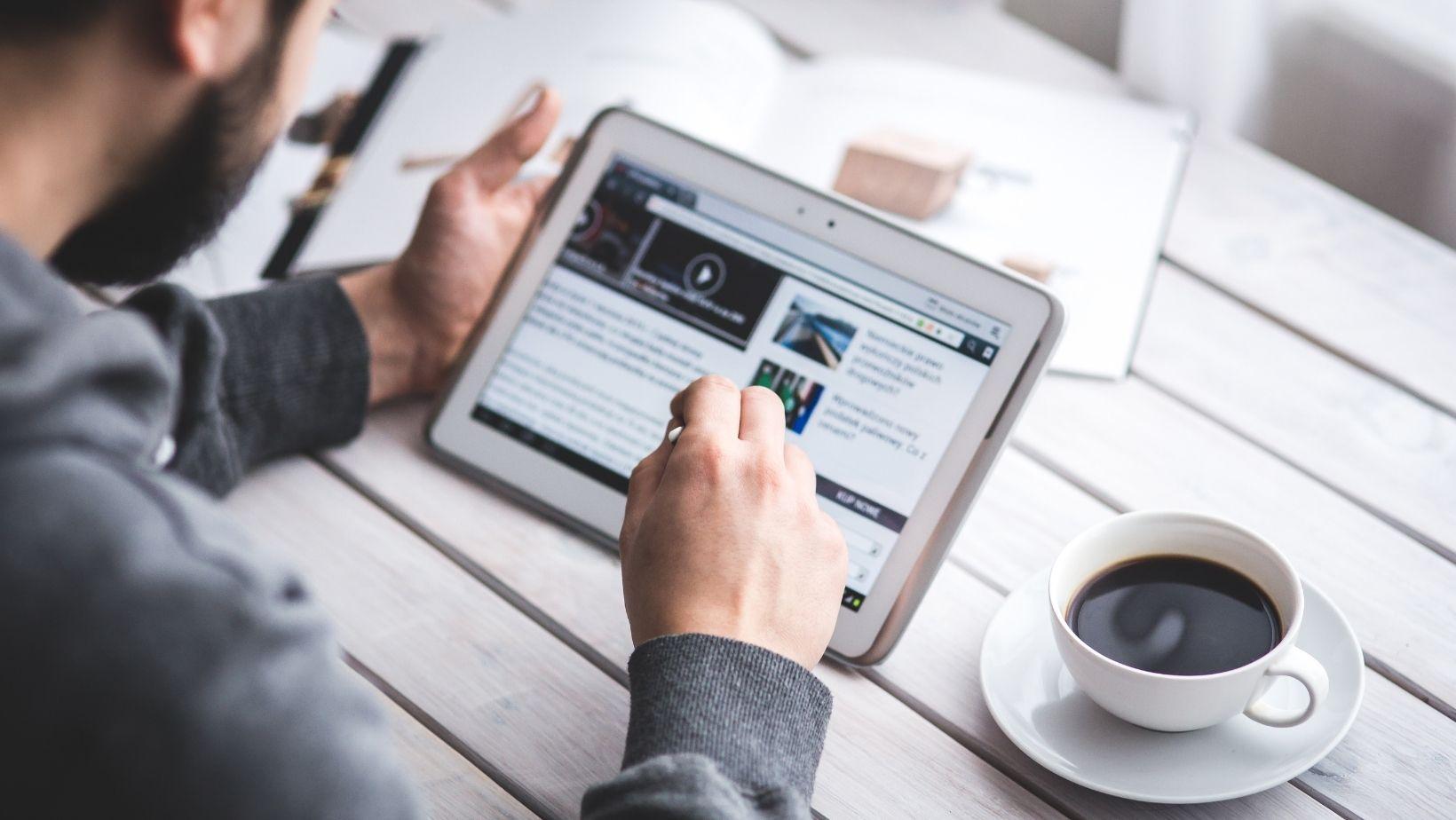
It’s funny how quickly the new normal becomes … just normal.
We don’t really think about going online anymore – it’s just something that happens in the background, like making a quick cup of coffee. Our relationship with technology has become a seamless part of the British routine.
Using our mobile phones, computers, and other forms of technology is now just automatic. Devices infiltrate every part of life without question, so it’s worth understanding why.
Life on digital autopilot
Think about your morning. For many of us, the day starts with a casual scroll or a quick app check before we’ve even emerged from underneath the covers. We’re not sitting down for a session on the internet like we might’ve a decade ago.
Instead, digital habits are firmly woven into the fabric of our day. Small, frequent habits like browsing a headline or checking a notification feel entirely natural. Research suggests that the average person checks their phone at least 100 times every single day.
The mobile anchor
Our phones have turned into the ultimate multitool. They make it incredibly easy to stay connected, no matter whether we’re on the move or settled down on the sofa. We turn to our devices during those in-between moments during the day.
Quick interactions are more than just distractions. From calling home to checking the news, these little habits are now a consistent and expected rhythm within our daily lives.
Entertainment in the margins
The way we relax has undergone a makeover, too. We don’t need to retreat to a gaming cave or dedicate two hours just to experience our favourite entertainment mediums.
Now, we can just dip in and out of content whenever it suits us. You might catch up on your TikTok while you’re waiting for a coffee, or perhaps have a scroll before bed to unwind.
We’re multitasking on our phones throughout the day, perhaps by playing a quick round on a bingo site with the TV on in the background. It’s all about fitting a bit of fun into the smaller gaps in our day.
Choosing flexibility over focus
These trends highlight a modern preference for convenience. Most of us lean towards shorter, more frequent bursts of engagement instead of long, heavy sessions that demand intense focus.
We value the flexibility to start and stop our digital activities when it best suits us, rather than commit to a longer session. It’s a much more relaxed way of using technology and means that our digital habits adapt to our schedule, not vice versa!
Ultimately, these subtle changes in our habits prove that technology has finally learned to work around us. It’s not about the gadgets themselves anymore, but how effortlessly they find a place within the everyday moments of our lives.