
A car can be clean, modern, and well maintained, yet still feel slightly off when you drive it. That feeling usually has nothing to do with horsepower, screens, or expensive upgrades. It comes from the small interior choices that shape comfort, mood, and focus every single time you get behind the wheel. These details work quietly, but their impact adds up fast.
Driving is one of the few activities many people do daily, often for long stretches. Commutes, errands, road trips, and spontaneous drives all happen inside the same compact space. When that space supports your senses instead of fighting them, driving stops feeling like a task and starts feeling easier, calmer, and more enjoyable.
Why Small Interior Choices Matter in a Car
Cars magnify discomfort faster than homes. Limited space means every sound, texture, smell, and visual detail is amplified. Something slightly annoying in a living room becomes distracting in a car. Something calming becomes deeply comforting.
Small interior choices matter because they affect how alert you feel, how relaxed your body stays, and how focused your mind remains. Over time, these details shape your overall relationship with driving itself.
Comfort Is About Consistency, Not Luxury
You do not need luxury materials to feel comfortable. What matters is consistency. When surfaces feel cohesive, sounds are controlled, and sensory inputs are balanced, your body relaxes automatically. This reduces driving fatigue and mental strain, especially on longer routes.
Seating Details That Affect Every Drive
Seats do more than hold you in place. They influence posture, circulation, and muscle tension. Even small seating adjustments can change how your body feels after twenty minutes or two hours on the road.
Materials and Texture Matter
Seat material affects temperature and touch. Breathable fabrics reduce overheating. Softer textures reduce friction and stiffness. Covers, cushions, or subtle padding changes can dramatically improve comfort without changing the seat itself.
Support and Micro Adjustments
Lumbar support, headrest positioning, and seat height all play a role. When these are dialed in correctly, your body expends less energy staying upright. That energy savings translates into better focus and less irritation during traffic or long drives.
Lighting Choices Inside the Car
Interior lighting often gets overlooked, but it strongly affects mood. Harsh or overly bright lights create tension, especially at night. Soft, warm lighting helps the eyes adjust and reduces sensory overload.
Night Driving and Visual Comfort
Low level ambient lighting around footwells, door panels, or the dashboard creates depth without distraction. It helps the interior feel calmer and more controlled, particularly during evening drives when glare and contrast can strain the eyes.
Scent as a Driving Experience Tool
Scent is one of the fastest ways to change how your car feels. The moment you open the door, smell sets the tone. A clean, balanced scent signals comfort and control. A stale or overpowering one creates instant resistance.

How Scent Affects Mood and Focus
Certain scents support alertness, while others encourage calm. The key is subtlety. Strong scents become distracting, especially in enclosed spaces like cars.
Using a visor clip air freshener allows scent to disperse gently rather than overpower the cabin. When chosen carefully, it becomes part of the driving environment instead of a constant reminder that something is masking odors.
Sound Control and Cabin Noise
Noise is one of the biggest contributors to driving fatigue. Road noise, vibrations, and rattling objects create background stress that builds over time.
Small Fixes That Reduce Noise
Simple changes make a difference. Rubber liners in storage areas stop items from shifting. Soft materials absorb vibration. Properly secured accessories prevent unnecessary rattling. These adjustments make the cabin feel quieter and more composed.
When noise drops, focus improves. Conversations feel easier. Music sounds better. The entire drive feels smoother, even if the road is not.
Steering Wheel and Touch Points
The parts of the car you touch most influence comfort more than anything else. The steering wheel, gear selector, buttons, and armrests are constant points of contact.
Texture and Grip
A steering wheel that feels too slick or too rough becomes irritating quickly. Covers or material upgrades improve grip and temperature control. When your hands are comfortable, your driving becomes more relaxed and precise.
Armrests and Contact Areas
Properly padded armrests reduce shoulder tension. Small changes here prevent fatigue, especially during stop and go traffic or long highway drives.
Visual Order and Interior Organization
Visual clutter increases mental clutter. When your car interior feels chaotic, your brain stays slightly tense. Clean lines and organized spaces reduce that load.
Keeping Essentials Within Reach
Small organizers, trays, or compartments help keep items in predictable places. When you do not have to search for essentials, your attention stays on the road.
Visual order also makes the car feel newer and better maintained, even if it is not brand new.
Temperature and Airflow Details
Temperature comfort is about more than heating and cooling. Airflow direction, vent placement, and circulation all affect how comfortable the cabin feels.
Fine Tuning Air Distribution
Adjusting vents to avoid direct airflow on the face or hands improves comfort. Even distribution reduces dryness and fatigue. Clean airflow combined with a balanced scent creates a space that feels fresh rather than sealed off.
This is where a well placed visor clip air freshener can complement airflow without overwhelming it, supporting a subtle and consistent atmosphere.
Texture and Materials Beyond the Seats
Floor mats, door panels, dashboards, and trim all contribute to the tactile experience. Hard plastics everywhere can make the interior feel cold and tiring.
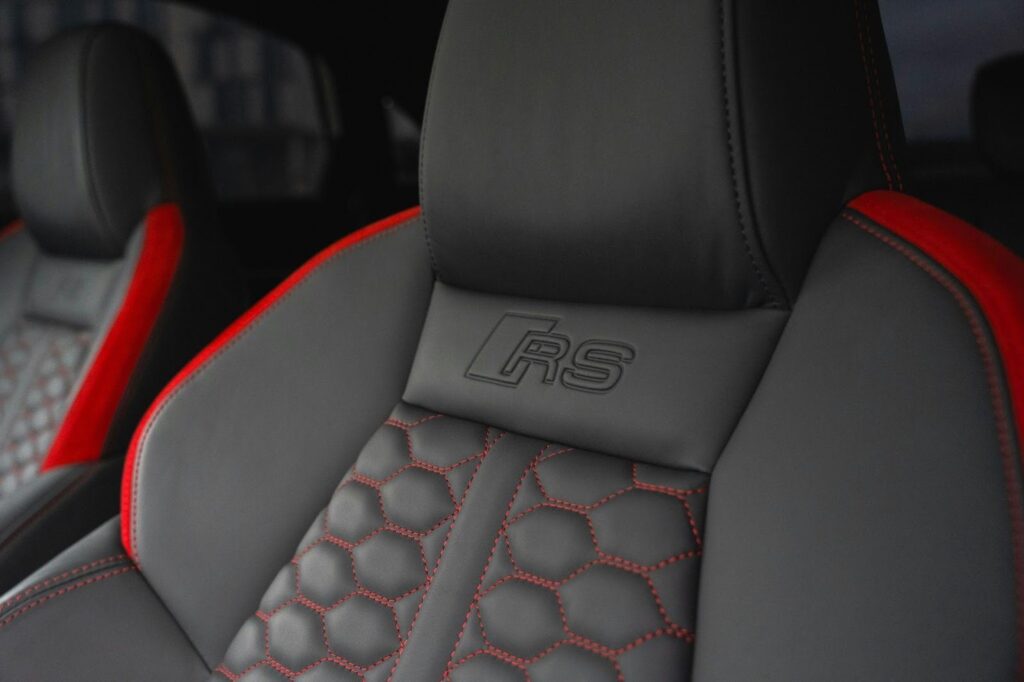
Softening the Environment
Textured mats, fabric inserts, or leather accents add warmth. They also reduce reflected noise and vibration. These changes may seem minor, but they significantly improve how the car feels during daily use.
A car feels better when it feels like yours. Personal details create familiarity, which reduces stress and increases comfort.
Familiarity Builds Calm
When your car reflects your habits and preferences, driving becomes automatic rather than demanding. Everything feels where it should be. This sense of control improves confidence and enjoyment behind the wheel.
How Small Choices Add Up Over Time
No single interior change transforms a car completely. The real impact comes from stacking small improvements that support each other. Comfort supports focus. Focus supports safety. Calm supports enjoyment.
When scent, sound, touch, lighting, and organization work together, the car becomes more than transportation. It becomes a space that supports your day instead of draining it.
Small interior choices may seem insignificant on their own, but together they shape how your car feels every single time you drive.