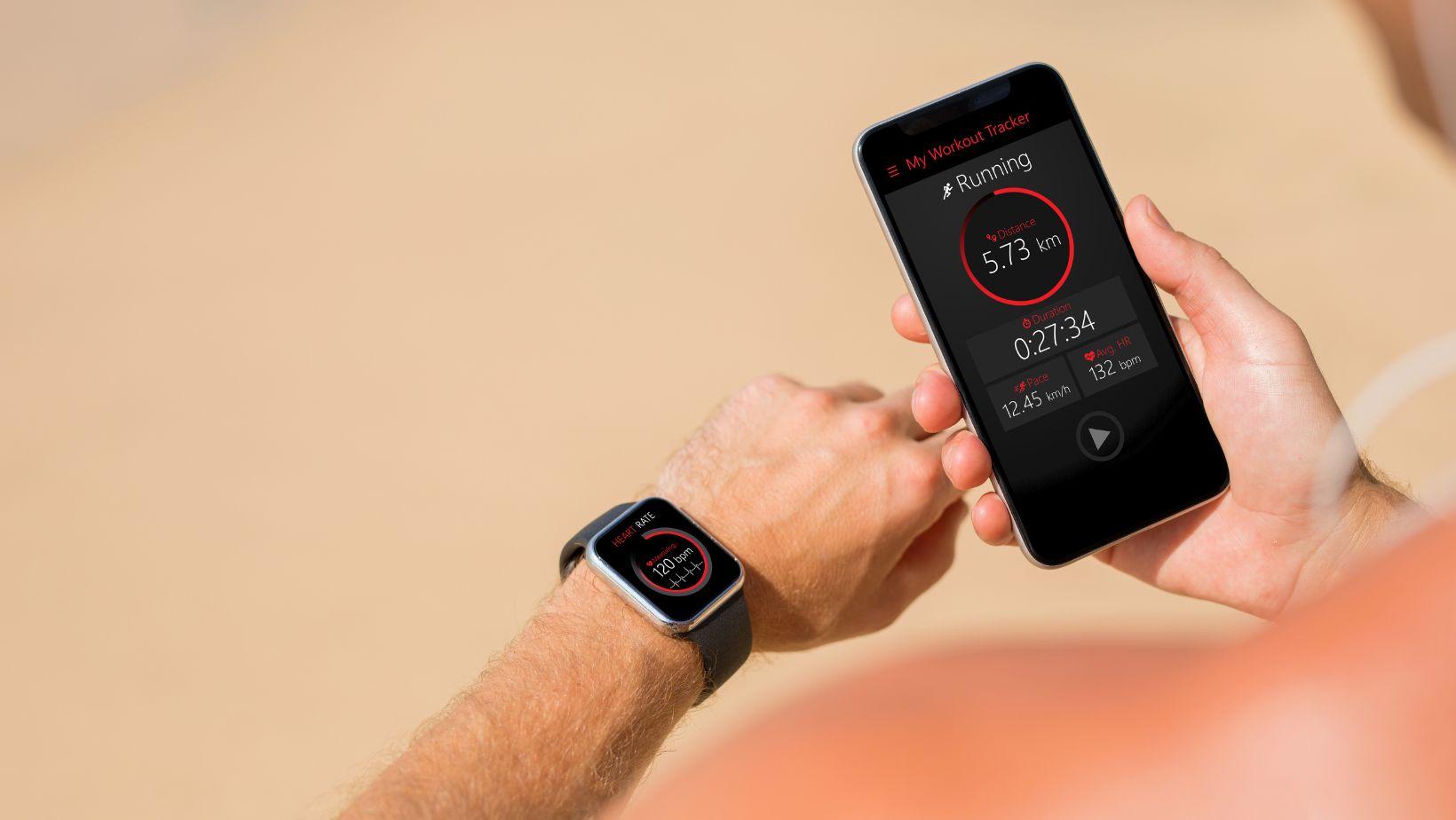
A few years ago, wearable tech meant one thing: counting steps. That era is fading fast. Today's devices are quietly expanding into territory that has little to do with fitness metrics and everything to do with understanding how people actually live, sleep, focus, and spend their time.
This shift isn't just marketing spin. Sensors have gotten smaller, batteries have gotten smarter, and companies have realized that raw activity data was never the whole story. People want context—why they slept poorly, why their energy dipped at 3pm, why their stress levels spike during certain routines.
Wearables Shift From Fitness To Lifestyle Data
The smart ring category illustrates this transition well. These devices are comfortable enough to wear overnight, which makes them far better suited to tracking sleep architecture and recovery than a bulky watch strapped to your wrist all day.
That comfort factor has driven serious commercial traction. Oura, one of the category's best-known names, recently filed confidentially for a US IPO, a move that signals real investor confidence in wearables built around recovery and sleep rather than step counts alone.
New Sensors Track Focus, Sleep, And Spending Habits
Glucose monitoring is another area pushing wearables into new behavioral territory. Continuous glucose sensors now update readings every 15 minutes, letting users connect specific meals or activities to metabolic swings in near real time. That kind of granular feedback loop didn't exist in consumer wearables a decade ago.
As these devices track more of daily life—sleep, stress, spending patterns through connected finance apps, even attention spans via screen-time integrations—people are naturally drawn to organized resources that help them make sense of their own digital habits.
Digital Habit Tracking Extends Into Entertainment And Leisure Apps
Entertainment platforms have picked up on this same behavioral-tracking trend. Streaming services, gaming apps, leisure platforms, and iGaming platforms increasingly sync with wearable data to adjust recommendations based on energy levels, time of day, or even detected stress signals. For instance, a gambling hub for Canadian casino bonus hunters might send a push notification when a new special deal is announced or when they need to withdraw their winnings.
A wearable that notices elevated heart rate late at night might nudge a user toward a calmer playlist rather than a high-intensity workout suggestion. A streaming service can send a user information about their subscription status, so they don’t miss making a payment or paying for a service they don’t want to use anymore.
This cross-platform integration is becoming a selling point rather than a gimmick. Companies building entertainment and leisure apps are treating wearable data as a signal worth designing around, not just a novelty feature bolted onto an existing product.
What This Means For The Next Wave Of Devices
Public research bodies are paying attention too. Canada's National Research Council has been combining wearable-device data with smartphone apps as part of broader efforts described in its recent annual report, which outlines work on detecting early health signals and exploring stress and sleep management applications.
That kind of institutional interest suggests wearables are moving well past consumer novelty status. The next generation of devices will likely blend fitness, financial behavior, entertainment preferences, and wellness signals into a single, more complete picture of daily life. For an audience that already tracks everything from workouts to screen time, that convergence feels less like a leap and more like the obvious next step.