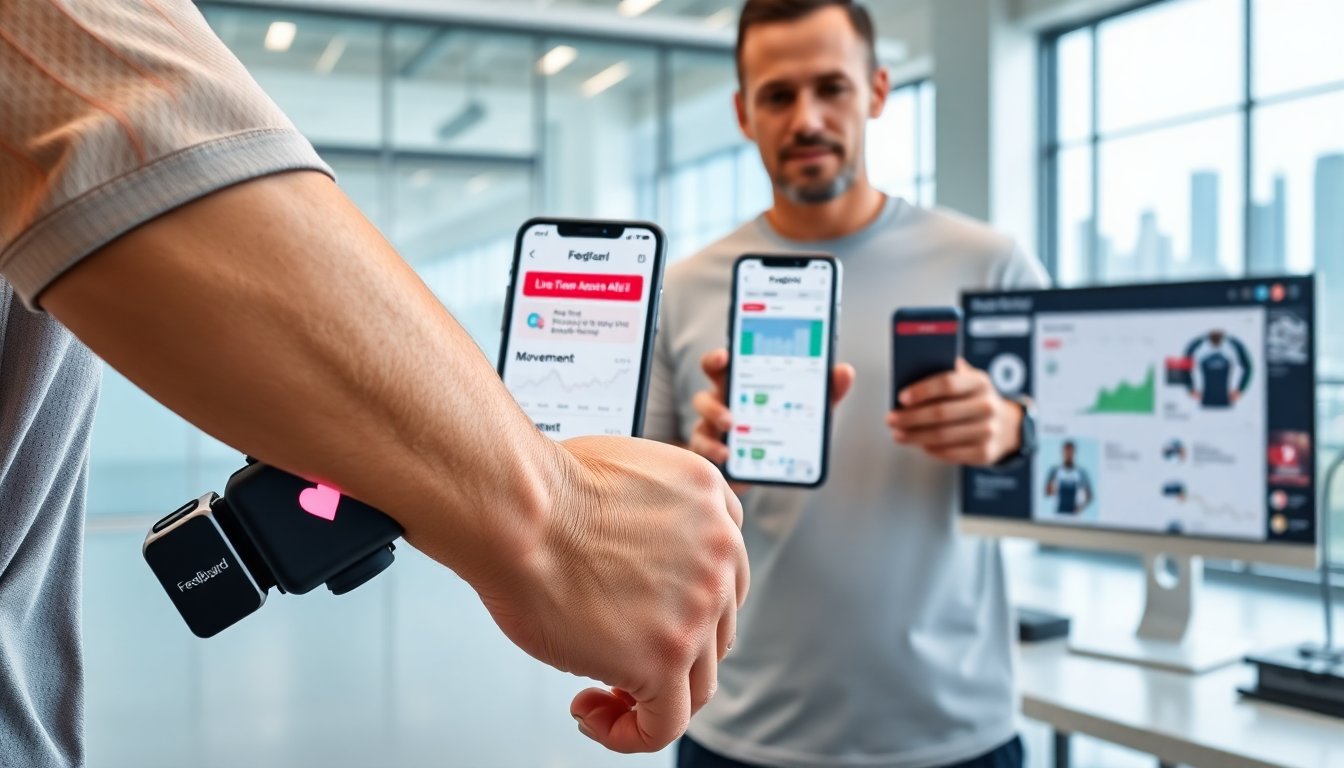
World tech feedbuzzard offers live health signals and sports tracking in a small device. It collects heart rate, movement, and context data. It sends real-time alerts to phones and team platforms. It targets athletes, esports players, and fitness fans. This guide explains core features, uses, privacy, and buying choices in clear terms.
Key Takeaways
- Wearable tech FeedBuzzard provides real-time health signals and sports tracking, ideal for athletes, esports players, and fitness enthusiasts.
- FeedBuzzard stands out by combining diverse sensors with low-latency alerts, offering wrist, chest, and clip-on designs that fit active lifestyles.
- The device uses optical heart-rate, skin temperature, and motion sensors, with battery life ranging from 24 to 72 hours depending on the model and usage.
- FeedBuzzard connects via Bluetooth and Wi-Fi, supports iOS and Android apps, and integrates with third-party coaching tools through APIs.
- Users benefit from actionable live alerts, workload monitoring, and recovery insights that enable faster training adjustments and injury risk reduction.
- FeedBuzzard ensures data privacy with encrypted storage, user-controlled permissions, and options for local-only data handling, maintaining user trust and security.
What FeedBuzzard Is And Who Should Use It
FeedBuzzard is a wearable device brand that tracks physiology and activity. It records heart rate, skin temperature, and motion. It also runs event-detection algorithms on the device. Athletes use FeedBuzzard to monitor training load and recovery. Esports players use FeedBuzzard to measure stress and focus. Everyday fitness fans use FeedBuzzard to track steps, sleep quality, and pacing. Teams use FeedBuzzard for live alerts and roster-level analytics. Coaches and trainers use FeedBuzzard to spot overtraining and to adjust plans. Users choose FeedBuzzard when they want fast alerts and clear data summaries.
Key Features And What Sets FeedBuzzard Apart
FeedBuzzard mixes sensor variety with low-latency alerts. It pairs on-device processing with cloud analytics. It focuses on sports and event alerts rather than only wellness summaries. The brand offers products that fit wrists, chest straps, and clip forms. FeedBuzzard emphasizes real-time feedback for coaches and players. It includes APIs for third-party dashboards. It has model options that balance cost and data fidelity. FeedBuzzard adds context tags so data reads easier for non-scientists.
Sensors, Battery Life, And Physical Design
FeedBuzzard uses optical heart-rate, inertial measurement units, and skin-temp sensors. It adds a pulse-ox option on pro models. The devices last 24 to 72 hours on a single charge depending on mode. The firmware manages power and sampling rates. The form factors fit active use and sweat. The bands use breathable materials. The clips attach to clothing for unobtrusive tracking. The devices resist water and sweat to IP67 levels. The pro unit uses a metal case and larger battery for longer sessions.
Connectivity, Mobile App, And Platform Compatibility
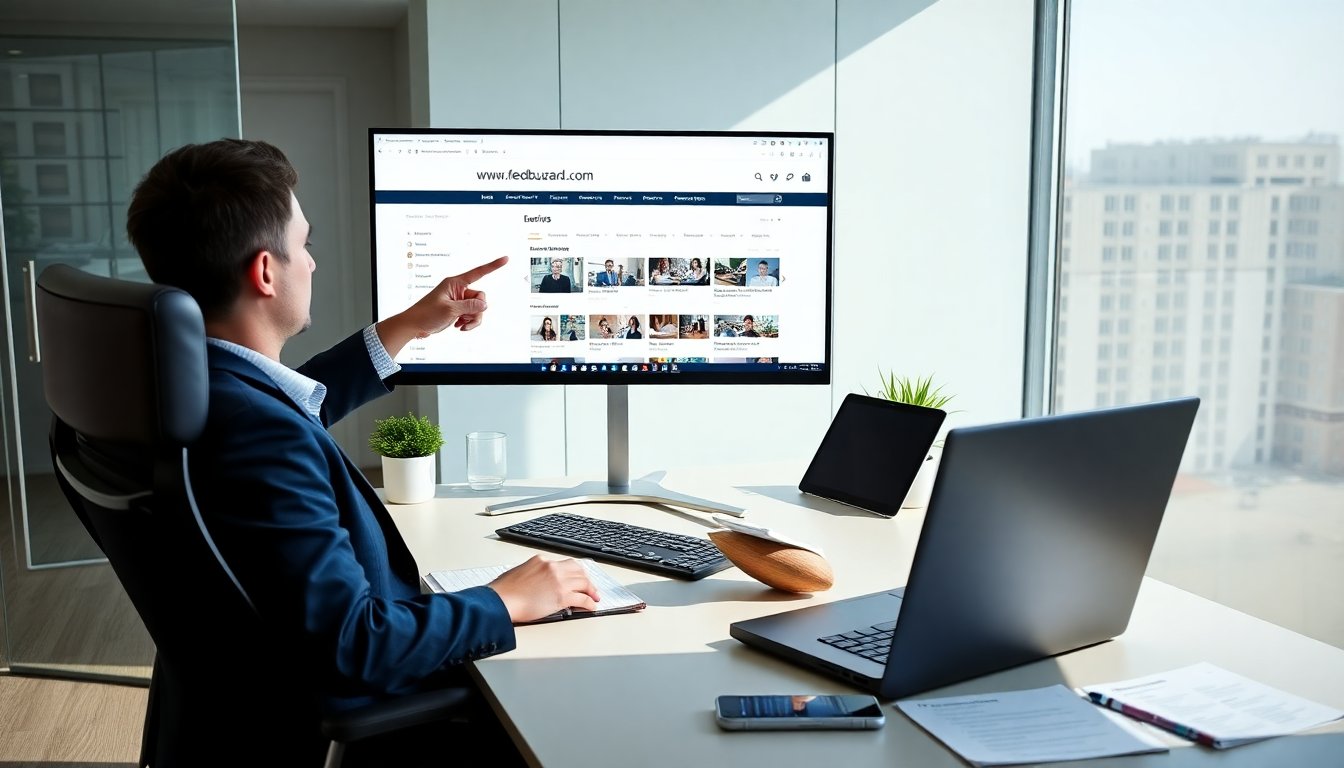
FeedBuzzard pairs via Bluetooth Low Energy to phones and tablets. It uses Wi-Fi for bulk uploads when available. The mobile app displays live metrics and sends push alerts. The platform supports iOS and Android apps and a web dashboard for teams. The API plugs into third-party coaching tools and streaming overlays. It streams select metrics with sub-second latency for live events. The app stores session summaries and raw exports for deeper analysis. It supports common file formats for easy import into training software.
How FeedBuzzard Helps Athletes, Esports Players, And Everyday Fitness Fans
Athletes get workload numbers and recovery indicators from FeedBuzzard. Coaches get alerts when an athlete shows sudden heart-rate spikes. Esports players get stress and breathing cues before long matches. Fitness fans see clear goals and session trends for consistency. Teams deploy FeedBuzzard to reduce injury risk and to time substitutions. Players use haptic alerts to change pace or to calm breathing. The device can mark events like sprints, errors, or long rests. The company supplies sample protocols for training and for match-day monitoring. Users report clearer decisions and faster adjustments with FeedBuzzard.
Privacy, Security, And How Your Data Is Used
FeedBuzzard stores personal data on encrypted servers. It transmits session data with TLS encryption. Users control what metrics teams can view through app permissions. FeedBuzzard allows local-only modes that keep data on-device. The company publishes a privacy policy that lists data retention windows and deletion steps. It anonymizes aggregate data for product improvement. Teams get access only when users grant consent. FeedBuzzard uses role-based access so coaches see only needed fields. If a user wants full deletion the company provides a deletion request flow in the app. For context on lifestyle priorities versus gadget data, one article argues that sleep, movement, and nutrition drive results more than hardware, which complements how users should use FeedBuzzard for feedback rather than as a final answer. core lifestyle drivers
Buying Guide: Models, Pricing, And Where To Buy
FeedBuzzard sells three core models: Core, Pro, and Team. Core targets casual users and starts at a lower price. Pro adds pulse-ox, longer battery, and premium materials. Team bundles include site licenses for dashboards and API keys. Pricing varies by region and by subscription for cloud analytics. Users can buy direct from the brand store or from authorized retailers. Many teams buy via distributor partners that offer setup and training. Buyers should compare sample rates, battery life, and included subscriptions. FeedBuzzard often offers starter packs for clubs to test a small group before scaling.