The Numbers Tell the Story
Before getting into the reasons, it helps to see what the conversation is really about. Operators have been tracking the live-versus-RNG split for years now, and although individual studios disagree on the exact figures, the broad pattern has held up in almost every market that runs both formats side by side. The metrics that matter all tend to lean in the same direction. Below is a quick look at how the two formats compare on the numbers operators actually pay attention to when they decide where to put their next investment:
|
Metric |
Live dealer games |
Traditional RNG games |
|
Average session length |
35–50 minutes |
12–18 minutes |
|
Player retention after 30 days |
High |
Moderate |
|
Bet size per round |
Generally larger |
Generally smaller |
|
Mobile compatibility |
Strong, video-heavy |
Universal |
|
Social interaction |
Built in |
Almost none |
What Players Actually Like About Live Dealer Games
The appeal is not just novelty. When you talk to regular gamblers about why they prefer live tables, the same handful of reasons keep coming up, and they all point to gaps that pure software games have never quite managed to close. None of them are about fancier graphics or bigger jackpots. The pull is something more basic: live dealer rooms restore parts of the casino experience that the move to digital quietly stripped out. Three reasons in particular show up in almost every player survey, and they reinforce each other rather than competing for attention.
Real Dealers, Natural Pace, and Social Play
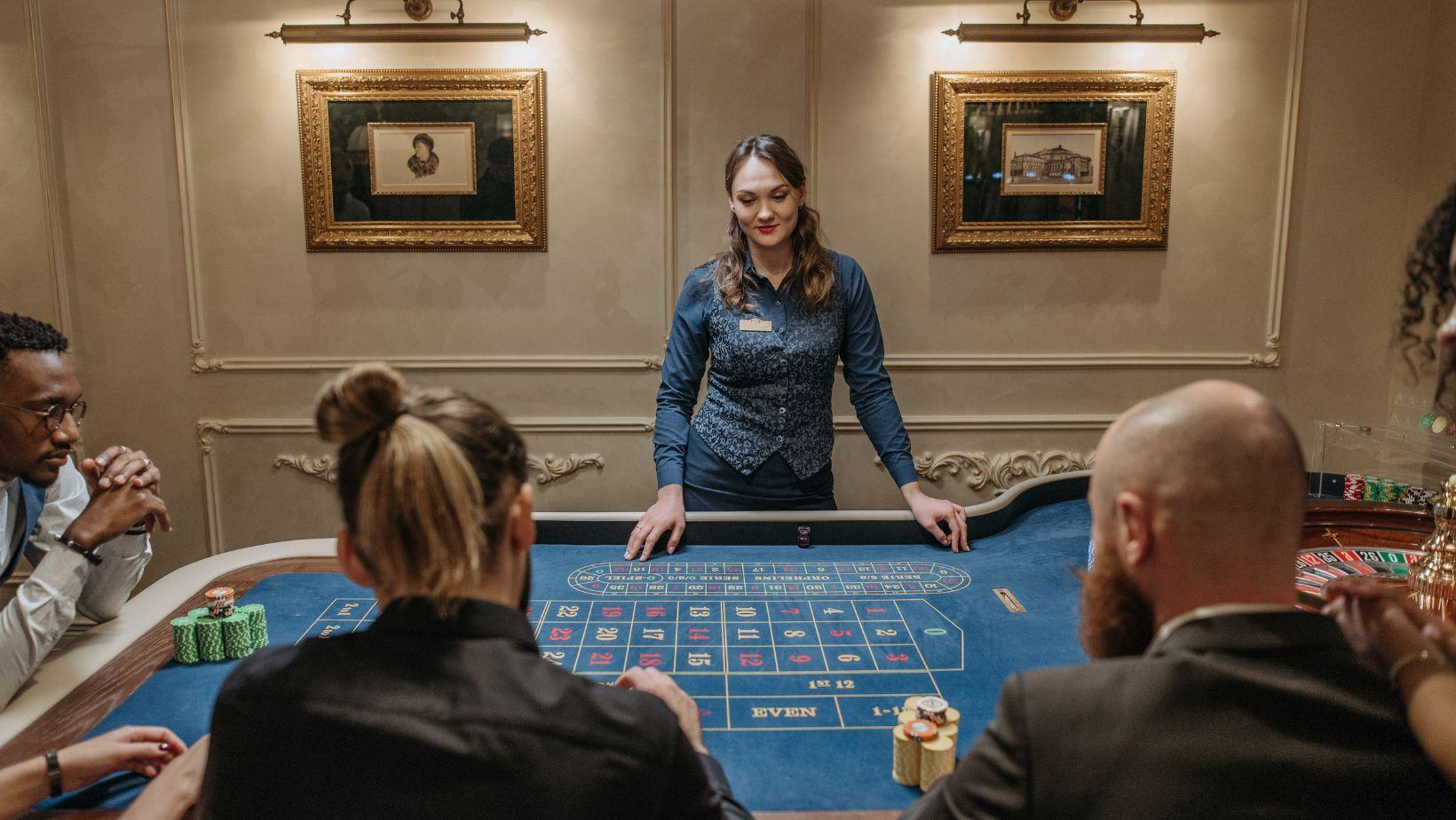
The first is having a real person on the other side. Watching a human dealer shuffle cards or spin a wheel removes a lingering doubt that some players have with software-only games — the question of whether the random number generator is truly random. With a live croupier, you can see the deck. You can see the wheel. The outcome happens in front of you, in real time, with no possibility of replay or recalculation behind the scenes.
The second is a pace that feels right. RNG games are fast — sometimes too fast. A hand of digital blackjack can be over in three seconds, and a slot spin in less than two, which leaves players reacting to outcomes rather than thinking through decisions. Live dealer rounds run at human speed, which gives players time to weigh their next move, react to what just happened, chat with the table, and actually enjoy the rhythm.
The third is conversation as part of the game. Modern live studios encourage dealers to talk to players, banter with the table, and respond directly to comments in the chat window. That small layer of interaction turns what would otherwise be a solo experience into something much closer to a real casino floor — complete with personalities, running jokes, and the sense that someone on the other side knows you are there.
Why Operators Have Leaned In So Hard
Live dealer is not just popular with players — it solves several operator problems too. The format works because:
- Sessions last longer, which means more rounds and more revenue per active user.
- Studios host many tables at once, scaling efficiently compared to land-based equivalents.
- Game shows like Crazy Time or Monopoly Live attract casual audiences who would never play classic blackjack.
- Live content makes a stronger marketing impression — short clips of dealers outperform slot animations.
Most major operators now treat live dealers as a core category rather than a side feature. A well-rounded gambling brand such as vulkan vegas casino gives live tables roughly equal billing with slots, with sections dedicated to live blackjack, live roulette, baccarat variants, and live game shows that run around the clock. That kind of layout would have been unusual a few years ago — back then live games were tucked behind a tab somewhere — but today regular players expect it, and operators that bury the category lose them quickly to ones that don’t.
What This Means for the Next Few Years
The direction of travel is clear. Expect more studios, better camera setups, more game show formats, and tighter integration between live tables and loyalty programs. Operators that ignore the category will lose ground fast. The gap between a great live experience and a mediocre one is becoming the main thing serious players use to decide where they spend their evenings. Live dealer isn’t replacing traditional online gambling — but it has clearly become the part of the industry that drives the most engaged play.