The Quantified Self and Biometric Precision
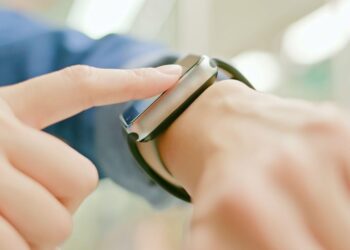
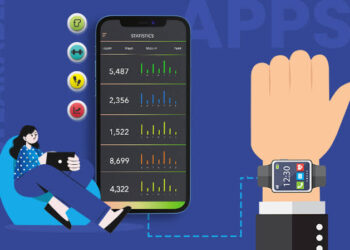
The foundation of modern personalized health lies in the continuous stream of data provided by high-fidelity wearables. Current devices have moved past basic motion sensors to include photoplethysmography (PPG) for heart rate variability (HRV), electrodermal activity (EDA) for stress monitoring, and peripheral oxygen saturation (SpO2) sensors. This “quantified self” movement provides the raw materials for a hybrid wellness strategy.
However, data in isolation is rarely actionable. The current shift in the industry is toward the integration of these biometrics into a broader lifestyle context. For instance, a drop in HRV is no longer viewed just as a sign of overtraining, but as a multifaceted signal that could relate to sleep quality, nutritional deficiencies, or even environmental stressors. The objective is to move from reactive monitoring—checking stats after the fact—to a proactive model where the hardware acts as an early warning system.
Behavioral Economics and the Psychology of Risk-Reward
Understanding the mechanics of human behavior is essential for long-term health optimization. Most successful wellness platforms now leverage the “habit loop” framework: a cycle consisting of a cue, a routine, and a reward. In a digital context, AI serves as the architect of these loops, identifying the precise moments when a user is most likely to adopt a new behavior or succumb to an old one. This systematic approach to habit formation mirrors the engagement strategies found in other high-stakes digital environments.
| Wellness Element | Function in Habit Loop | AI Optimization Role |
| Wearable Cue | Real-time notification/haptic feedback | Determines optimal timing based on glucose or cortisol levels |
| Micro-Habit | The specific action (e.g., 2-minute breathing) | Scales difficulty based on current recovery scores |
| Dopaminergic Reward | Visual progress or gamified achievement | Personalizes the reward type to maintain long-term engagement |
This sophisticated level of digital engagement and risk assessment is not exclusive to the health sector. Just as biohackers use data to calculate the “odds” of a successful longevity protocol, users in the digital entertainment space utilize similar analytical thinking. For example, those who frequent the Vulkan Vegas platform often apply a disciplined approach to risk management and reward cycles, reflecting the same human drive for optimized outcomes and strategic play found in high-level biohacking. In both spheres, the ability to interpret data and manage behavioral impulses determines the ultimate success of the endeavor.
The Role of AI in Predictive Health Modeling
While wearables provide the “what,” Artificial Intelligence provides the “why” and the “what next.” Machine learning algorithms are now capable of pattern recognition that exceeds human capability, particularly when correlating disparate data sets. By analyzing thousands of data points across months of wear-time, AI can predict a “crash” in energy levels or a susceptibility to illness days before symptoms manifest.
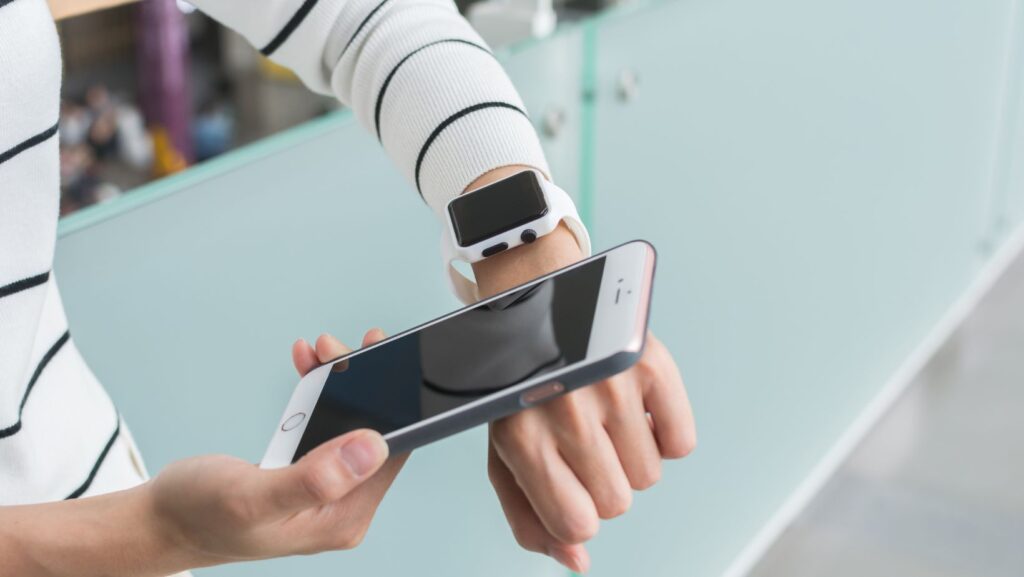
This predictive modeling transforms the wellness journey from a series of guesses into a controlled experiment. Instead of a standard 8-hour sleep recommendation, an AI-driven system might determine that a specific individual performs optimally on 7.5 hours of sleep with a specific room temperature and a pre-sleep magnesium protocol. This level of hyper-personalization is the hallmark of the hybrid wellness era, where the “average” is replaced by the “individual.”
Designing Resilient Habit Loops for Longevity
To ensure these technological advancements result in permanent health improvements, they must be anchored in resilient habit loops. The goal is to reduce the friction of healthy choices until they become the path of least resistance.
- Environmental cues: Syncing smart lighting with wearable sleep-cycle data to automate circadian rhythm alignment.
- Variable rewards: Utilizing AI to provide non-linear feedback, which has been shown to be more effective at maintaining neurological engagement than static goals.
- Incremental progression: Using biometric data to ensure that “habit stacking” only occurs when the nervous system is sufficiently recovered, preventing the burnout common in traditional New Year’s resolution models.
The integration of these steps ensures that the technology serves the human, rather than the human serving the device. When the feedback loop is closed—meaning the data from the wearable informs the AI, which then triggers a perfectly timed habit cue—the result is a seamless transition into a state of optimized living.
The Synthesis of Tech and Biology
The convergence of wearables, AI, and behavioral science represents a fundamental shift in how health is pursued. It moves the discipline away from the “one-size-fits-all” mentality of the 20th century toward a 21st-century model of precision. By treating the human body as a complex system that can be monitored, analyzed, and optimized, the hybrid wellness approach provides a sustainable path for those seeking to maximize their physical and cognitive potential. The future of healthy living is not found in a single app or device, but in the intelligent synchronization of the two.