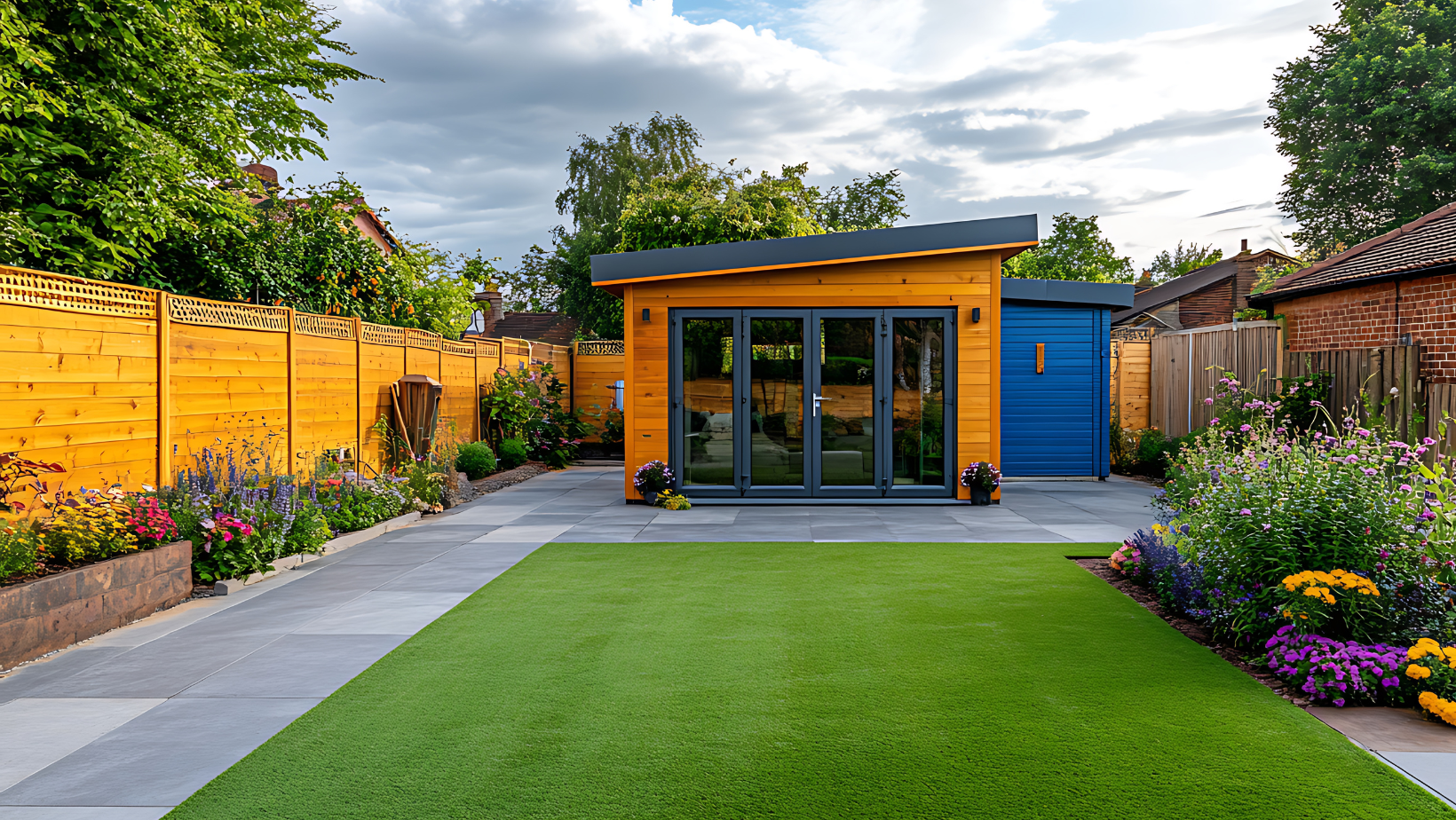
Thinking about adding extra space to your property? You’re not alone. Thousands of UK homeowners are turning to garden buildings as a smart alternative to costly home extensions. But here’s where it gets confusing: garden pods and garden annexes might look similar, but they serve very different purposes.
Choosing the wrong one could mean wasting thousands of pounds or ending up with a space that doesn’t quite work for your needs. Let me walk you through the key differences so you can make the right choice for your garden.
What Exactly Is a Garden Pod?
A garden pod is a compact, self-contained structure designed for a single specific purpose. Think of it as a dedicated workspace, gym, or creative studio sitting at the bottom of your garden.
Most garden pods range from 2.5 to 4 meters in size. They’re typically insulated and fully weatherproof, making them usable year-round. You’ll get electricity and heating, but here’s the catch: most garden pods don’t include plumbing or bathroom facilities.
Common uses for garden pods:
-
Home office or remote working space
-
Art studio or creative workshop
-
Private gym or yoga room
-
Music practice room
-
Teenage retreat or study space
-
Gaming room
The beauty of a garden pod lies in its simplicity. You get a focused, distraction-free environment without the complexity of a full living space.
Understanding Garden Annexes
Garden annexes are a completely different beast. These are essentially self-contained living units with everything you’d find in a small apartment.
A typical garden annexe includes a bedroom, bathroom, kitchenette, and living area all in one structure. They’re larger than pods, usually starting at around 20 square meters and going up to 50 square meters or more.
Popular uses for garden annexes:
-
Accommodation for elderly relatives (granny annexe)
-
Independent living space for adult children
-
Guest accommodation for visitors
-
Holiday let or Airbnb rental
-
Care facility for family members needing support
-
Rental income property
Garden annexes offer true independent living. Your teenager, elderly parent, or guests can have their own private space with all the amenities they need.
The Planning Permission Question
This is where things get interesting, and it could save you months of hassle.
Garden Pods and Permitted Development
Most garden pods fall under permitted development rights in the UK. This means you won’t need planning permission if your pod meets these criteria:
-
No more than 2.5 meters high if within 2 meters of a boundary
-
Takes up less than 50% of your garden
-
Not used as primary living accommodation
-
Single-storey structure
You can typically install a garden pod in a matter of weeks without dealing with council applications.
Garden Annexes and Planning Rules
Garden annexes are trickier. Because they include sleeping and bathroom facilities, councils often classify them as new dwellings. This usually means you’ll need planning permission.
The application process typically takes 8-12 weeks, and there’s no guarantee of approval. Your chances improve if the annexe is clearly for family use rather than as a separate rental property.
Some councils are more flexible than others, so always check with your local planning department before committing to a purchase.
Cost Comparison: What You’ll Actually Pay
Let’s talk numbers, because this often becomes the deciding factor.
Garden Pod Costs
A basic garden pod starts around £5,000 for a simple insulated structure. Mid-range pods with better insulation, double glazing, and quality finishes typically cost £10,000-£20,000. Premium designer pods can reach £30,000 or more.
Don’t forget these additional costs:
-
Electrical connection: £500-£1,500
-
Base preparation: £500-£2,000
-
Interior furnishing: £1,000-£5,000
Garden Annexe Costs
Garden annexes represent a bigger investment. Basic models start around £20,000, but most homeowners spend between £35,000-£70,000 for a quality annexe with all facilities.
Premium annexes with high-end finishes easily exceed £100,000.
Additional costs include:
-
Planning permission fees: £206-£462
-
Building regulations approval: £1,000-£2,000
-
Plumbing connection: £2,000-£5,000
-
Electrical connection: £1,500-£3,000
-
Groundworks and foundations: £3,000-£8,000
The price difference is substantial, but remember you’re getting significantly more living space and functionality.
Installation Time and Disruption
Garden pods are wonderfully quick to install. Once your base is prepared, most pods can be fully installed in 1-3 days. You could be working in your new office by the end of the week.
Garden annexes take considerably longer. Between planning permission, building regulations, groundworks, and final installation, you’re looking at 3-6 months from start to finish. Some complex projects take even longer.
If you need extra space quickly, a garden pod wins hands down.
Which One Adds More Property Value?
Both can increase your property’s appeal, but in different ways.
Garden pods add functional space that modern buyers love. A well-maintained home office can add £5,000-£15,000 to your property value, particularly in areas where remote working is common.
Garden annexes potentially add more value, especially in areas with housing shortages. A quality annexe can increase property value by £30,000-£80,000 or more. Properties with annexes appeal to multigenerational families, which is an growing market.
However, the return on investment isn’t guaranteed. You’ll typically recoup 60-80% of your annexe costs through increased property value.
Making Your Decision
Choose a garden pod if you:
-
Need a dedicated workspace or hobby room
-
Want something installed quickly
-
Have a limited budget (under £25,000)
-
Don’t need plumbing or overnight facilities
-
Want to avoid planning permission hassles
Choose a garden annexe if you:
-
Need self-contained living accommodation
-
Plan to house family members long-term
-
Want to generate rental income
-
Have the budget for a larger investment
-
Don’t mind waiting for planning approval
Final Thoughts
There’s no universally right answer here. Your choice depends entirely on how you’ll use the space, your budget, and your timeline.
Garden pods offer simplicity, speed, and affordability for focused purposes. Garden annexes provide complete independence and versatility but require more investment and patience.
Take time to honestly assess your needs. Speak with suppliers, check your local planning requirements, and crunch the numbers carefully. The right choice will serve you well for decades to come.
Frequently Asked Questions
Can I sleep in a garden pod overnight?
You can occasionally sleep in a garden pod, but it cannot be used as someone’s primary residence. If you need permanent sleeping accommodation, you’ll need a garden annexe with proper planning permission.
Do I need building regulations approval for a garden pod?
Generally no, if your pod doesn’t include plumbing and isn’t used for sleeping. However, garden annexes always require building regulations approval because they’re classified as habitable structures.
Can I convert my garden pod into an annexe later?
Technically possible but not straightforward. You’d need to apply for planning permission and building regulations approval, plus add plumbing and potentially strengthen foundations. Often it’s more cost-effective to start with an annexe if you think you’ll need one.
Will my garden annexe need its own council tax?
Possibly. If your annexe is truly self-contained with its own access, kitchen, and bathroom, the council may assess it separately for council tax. However, if it’s used by family members as part of your household, you can often avoid this.
How close to my boundary can I build?
Under permitted development, structures over 2.5 meters high must be at least 2 meters from any boundary. Taller structures or those requiring planning permission may have different restrictions. Always check your local planning guidelines.