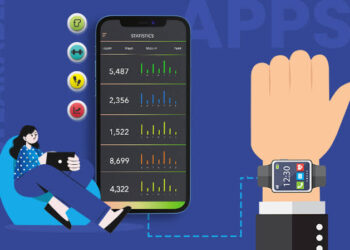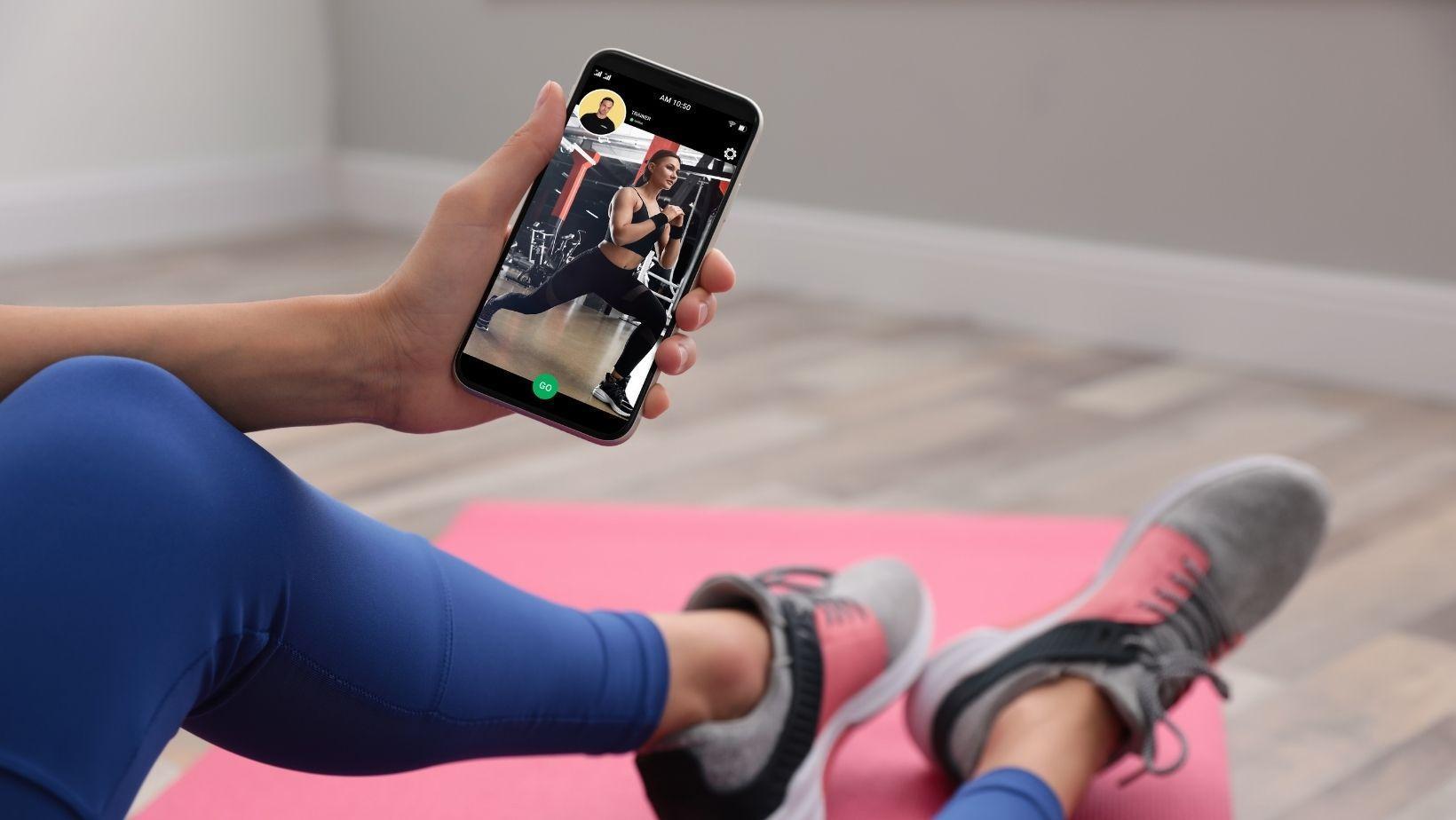
Fitness apps have no shortage of inputs. The hard part is turning uneven signals into guidance that users trust and follow. Rock Health’s 2025 Consumer Adoption Survey of 8,000 Census-matched Americans found that 46 percent owned a wearable. Among wearable owners, 83 percent used their devices at least five days each week.
That volume creates opportunity, cost, and risk. Mid-sized product teams must support fragmented device ecosystems, control model output, protect sensitive data, and ship features before larger platforms capture the market. A focused fitness app development strategy must connect each engineering choice to retention, paid conversion, coaching adherence, or lower support demand.
These pressures hit mid-sized companies at the operating level. One platform group may own releases, pipelines, cloud reliability, analytics, and vendors. A coaching feature can pull each function into months of integration. Leaders need a release path that proves value in one segment before the team expands device coverage, coaching domains, or clinical claims.
Build the Product Around Decisions, Not Dashboards
Many roadmaps begin with every metric a device can expose: steps, heart rate, sleep stages, calories, recovery, and training load. The result gives users more charts but few answers. Product teams should begin with a short set of decisions. Should the app reduce today’s training load? Should it replace a missed workout? Should it change a reminder after poor sleep?
Each decision needs a defined input window, confidence threshold, fallback, and user explanation. This structure limits model freedom. It also lets QA teams test coaching behavior with repeatable scenarios instead of judging fluent text. A rules layer can block unsafe recommendations, a retrieval layer can ground guidance in approved content, and a language model can shape the message for the user’s goal and tone.
The coach should state which signals influenced its suggestion and let the user correct bad context. A traveler may have missing sleep data. A strength session may not appear on a watch. Feedback controls give the system better context while giving the user agency.
Teams should measure the journey, not prompt volume. Useful targets include first-week plan completion, four-week retention, workout acceptance, notification opt-outs, premium conversion, and support contacts tied to confusing guidance. These measures show whether AI changes behavior or adds cloud expense.
Model choice should match this operating model. Smaller models can classify intent, summarize activity, and choose approved content at low cost. Larger models can handle complex conversations when value supports latency and price. Routing, caching, token limits, and response budgets make AI spend an engineering variable that finance and product teams can track.
Make the Data Layer Earn Its Cost
Wearable integrations fail at the seams. Apple HealthKit, Health Connect, Garmin, Fitbit, and device APIs use different units, timestamps, permissions, and derived metrics. The data platform should preserve source, consent state, collection time, time zone, unit, and transformation history. It should also separate raw signals from features that drive coaching.
This discipline matters when a product moves closer to healthcare app development. Teams must map obligations under the FTC Health Breach Notification Rule, state consumer health privacy laws, and HIPAA when it applies. They should collect the minimum data, define deletion and export paths, encrypt records, and log each access to health signals.
Data quality deserves a product response. When sleep data arrives late or heart rate coverage drops, the coach should lower confidence, ask a question, or use a safe default. It should not present a precise plan from weak evidence. That choice protects trust and reduces incident work.
A mid-sized company does not need a broad machine learning platform at launch. It needs modular ingestion adapters, a normalized event model, a feature service, a policy engine, model evaluation, and observability. Teams can start with three coaching use cases and batch most calculations. They should reserve live processing for moments where delay changes the user outcome.
Before selecting a build partner, leaders should request a pilot with messy historical data, a model evaluation plan, cost estimates by active user, and a clear code handoff. A polished prototype says little about production reliability. The pilot should expose missing data, permission changes, model failures, and support ownership.
Ownership must remain explicit after launch. The product should own the coaching policy and outcomes. Engineering should own data contracts and release controls. Security should own threat models and incident playbooks. A partner can accelerate delivery, but the client team needs access to source code, infrastructure, evaluation sets, architecture records, and vendor accounts. That boundary prevents a fast pilot from becoming an expensive dependency.
5 US Technology Partners for AI Fitness and Wearable Platforms
The following order uses current Clutch rating and review volume, then considers fit for AI, mobile, healthcare, and connected product work. Buyers should confirm scope, team composition, security controls, and references for a comparable product before signing an engagement.
1. GeekyAnts
GeekyAnts is an AI-Powered Digital Product Engineering & Consulting Company. Its work spans AI product engineering, mobile platforms, healthcare products, cloud systems, and experience design. The company can support a fitness product from discovery through integration, release, and scale. Clutch rating: 4.8 from 116 reviews. GeekyAnts Inc, 315 Montgomery Street, 9th and 10th floors, San Francisco, CA, 94104, USA. Phone: +1 845 534 6825. Email: [email protected]. Website: www.geekyants.com/en-us.
2. Appsketiers
Appsketiers focuses on consumer mobile products from concept and UX through coding, launch, and support. Its Clutch portfolio includes fitness and health coaching work, which gives product teams a relevant reference point for plan delivery, diet tracking, and live updates. The firm suits founders and mid-sized teams that need structured product definition with app delivery. Clutch rating: 4.5 from 23 reviews. Address: 741 Monroe Drive, Atlanta, GA 30308, USA.
3. FIRMINIQ
FIRMINIQ concentrates on connected healthcare software, including wearable and medical device apps, remote patient monitoring, cloud services, and mobile engineering. Its experience with Bluetooth, NFC, device data, and regulated product environments can help teams that need deeper integration than a standard activity tracker. Clutch rating: 4.5 from 3 reviews. Address: 4512 Legacy Drive, Suite 100, Plano, TX 75024, USA.
4. Modea
Modea works on digital products for healthcare organizations, with capabilities across strategy, mobile design, development, EHR integration, testing, and privacy-conscious analytics. That focus fits fitness platforms that plan to connect coaching with care navigation or provider workflows. Buyers should test its approach against consumer engagement goals as well as compliance needs. Clutch rating: 4.5 from 3 reviews. Address: 1715 Pratt Drive, Suite 2200, Blacksburg, VA 24060, USA.
5. Appnality
Appnality develops iOS, Android, hybrid, and wearable applications, with services that cover product strategy, UX, testing, release, and maintenance. Its profile can suit growth-funded teams that need a defined mobile build and embedded device support without creating a large internal delivery group. Teams should validate health data security and AI evaluation depth during discovery. Clutch rating: 4.5 from 1 review. Address: 1800 West Hawthorne Lane, Suite 205, West Chicago, IL 60185, USA.
Final Thoughts
The next generation of fitness products will not win through more metrics or a chat interface. It will win by making sound decisions from incomplete data, explaining those decisions, and learning from user response. Mid-sized companies can compete when they narrow the first use cases, build a dependable data contract, and measure behavior instead of feature output. A focused architecture consultation can help a team test that plan, expose delivery risks, and decide where internal ownership ends and specialist support begins.