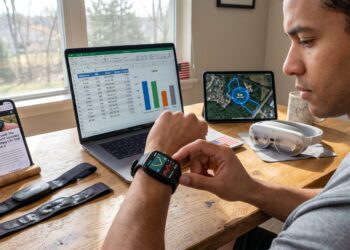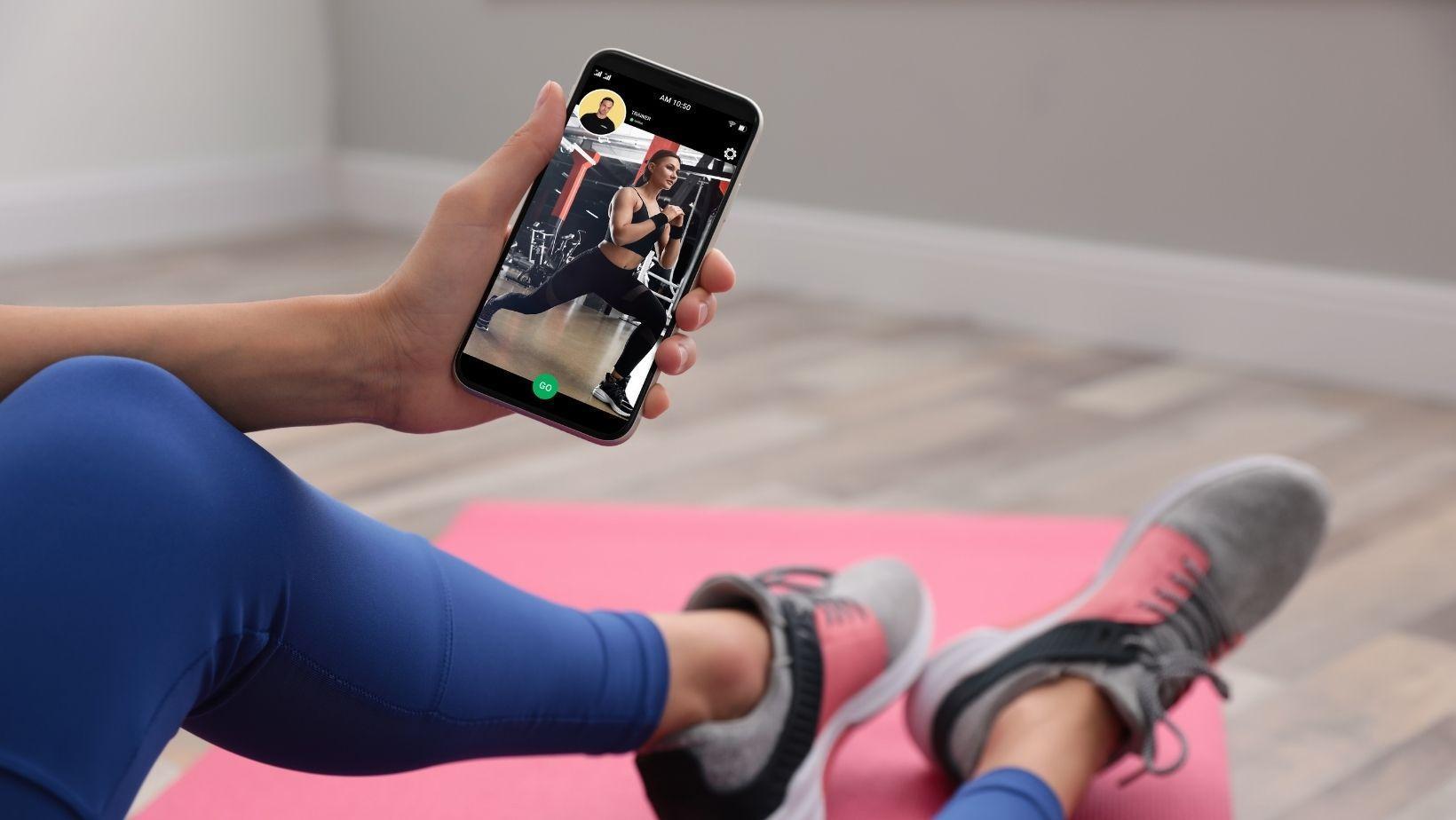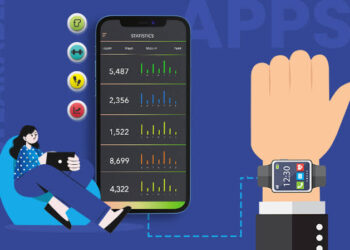
You bought the wearable for the usual reasons. Steps, workouts, maybe a nudge to stand up more often. But if you wear one to bed, it has quietly been collecting the most honest data you have ever seen about one specific thing. The effect of alcohol on your body. And for a lot of people, that data is making the case for alcohol moderation more convincingly than any article, doctor, or inner voice ever has.
The Number That Does Not Lie
Ask someone how last night’s two glasses of wine affected them and they will usually shrug. Fine. Slept okay. Their memory is a poor witness. Their wearable is not.
Open the app the morning after a few drinks and the story is right there in the numbers. Resting heart rate up. Heart rate variability, a key marker of recovery, dropped well below your normal range. Deep and REM sleep cut short, even if you were in bed for a full eight hours. The tracker does not moralize. It just shows you, in plain figures, that the body did not rest the way it was supposed to. The effects of alcohol on the body’s overnight recovery are well documented, and the research on how alcohol affects sleep explains exactly why those numbers move. Seeing it on your own wrist makes it impossible to ignore.
That visibility is the quiet engine behind a lot of modern drinking moderation. You are no longer guessing. You are looking at evidence.
Why Data Beats Willpower
Traditional approaches to cutting back lean on willpower and guilt, and both burn out fast. Willpower is lowest at the end of a long day, which is exactly when the drink shows up. Guilt just makes you avoid thinking about the whole subject. Neither gives you anything useful to work with.
Data is different. When your tracker shows that a single evening of drinking cost you two nights of good recovery, alcohol moderation stops feeling like a rule someone imposed on you and starts feeling like a choice that serves you. That shift, from external rule to personal insight, is what makes moderation actually stick. You are not depriving yourself. You are optimizing, the same way you would tweak your training or your sleep schedule.
From Guilt to Curiosity
The best thing a wearable does is turn a loaded subject into a neutral one. There is no shame in a data point. It is just information. That reframe matters, because shame is a terrible motivator and curiosity is a great one.
Once your alcohol habits are visible as patterns rather than moral failings, you can get genuinely curious about them. You notice that your worst recovery scores follow specific nights. You spot which drinking habits actually hurt your numbers and which barely register. You start running your own small experiments, not to punish yourself, but to understand what works. That curiosity is the healthiest foundation for moderation there is.
The Tracker Shows the What, the App Helps With the Why
Here is the limit of the hardware. Your wearable is brilliant at showing you what happened. It cannot tell you why you reached for the glass in the first place, or help you change the pattern behind it. The number is a mirror, not a map.
That is where the software side comes in. Unconscious Moderation is an alcohol moderation app built to work on exactly that gap. It combines neuroscience, self reflection, and drinking hypnotherapy to help you understand the triggers underneath your drinking habits, rather than just measuring the aftermath. Pair the honest data from your wrist with that kind of understanding and you have both halves of the equation. The wearable shows the cost. The alcohol moderation app helps you rewrite the routine that created it.
Building a Moderation Loop That Sticks
Think of it as a feedback loop, the same kind any good tech product runs on. Measure, understand, adjust, measure again.
Your tracker handles the measuring. A tool for awareness handles the understanding. Some people add gentle techniques to the mix, and alcohol hypnotherapy is one that fits this model well, using calm, guided sessions to loosen the automatic pull of a habit while your data keeps you honest about the results. Then you adjust, one small experiment at a time, and let the next morning’s numbers tell you whether it worked. Over a few weeks, that loop does something willpower never could. It builds a version of drinking moderation that is based on your real body and your real life, not on a generic rule.
The Quantified Path to Moderation
We already track our steps, our sleep, our workouts, and our screen time. Bringing that same clear eyed attention to alcohol is a natural next step, and the tech to do it is already sitting on your wrist and in your pocket. The wearable makes the cost visible. The right app makes the change possible. Together they turn alcohol moderation from a vague good intention into something you can actually see, measure, and improve.
You do not need to label yourself or swear anything off forever. You just need to look at the data honestly, get curious about what it shows, and use the tools built for exactly this. The most quantified generation in history has every reason to be the one that finally makes moderation simple. The numbers are already there. All that is left is to read them, and choose.