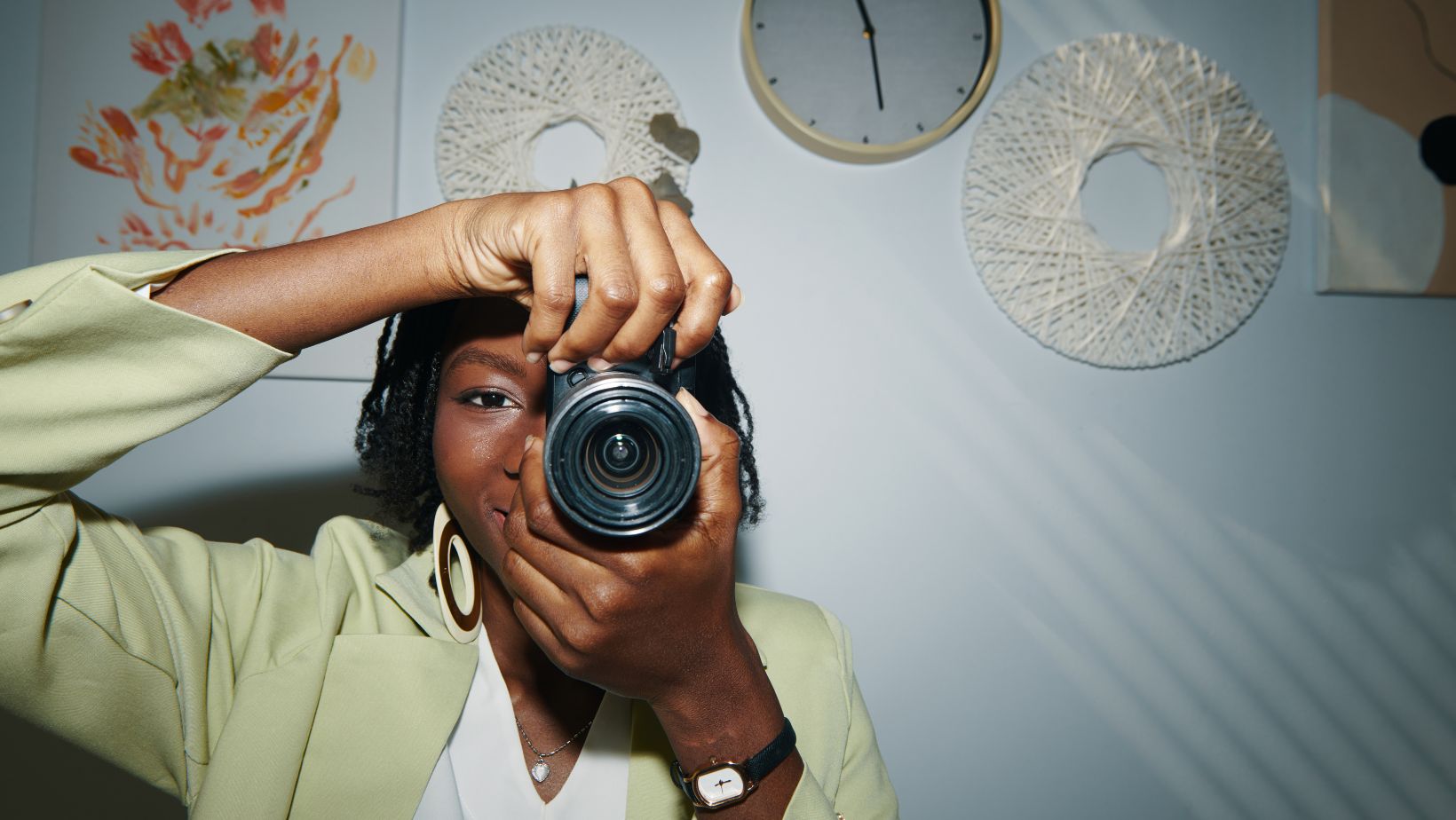
Almost everyone takes photos now — at parties, trips, concerts, dinners, even during simple moments at home. We capture everything because we want to remember it. But something strange happens when we record a moment instead of experiencing it. The brain remembers differently. Digital memory begins to replace real memory, and the way we recall events starts to change while playing a few spins at TonyBet online casino.
The Brain Stores Less When the Camera Stores More
Memory is selective. Our minds don’t record every detail. They focus on the parts that feel important. But when we take photos, the brain gives responsibility to the camera instead of itself. It says, “I don’t need to remember this, the picture will do it for me.” This is called cognitive offloading. It makes memories depend on the photo instead of the moment.
Living to Capture vs Living to Feel
A person who is focused on getting the perfect shot thinks about framing, lighting, angles, and not about the experience itself.
- At a concert, they film instead of listening.
- On a hike, they pose instead of enjoying the view.
- During birthdays, they watch through the screen instead of through their eyes.
They leave the event with proof but not with presence.
Photos Become the Memory: Not the Moment
When someone looks back at an experience, they often say: “I remember this day so well.”
But the memory is really tied to the photo. They remember the picture more than the event. They remember the smile they posed, not the emotion they felt. The image becomes the story, even if the real moment was different.
When Taking Photos Helps, Not Hurts
Photos are not always bad for memory. They help most when they support emotion rather than replace it. A single photo taken after a moment, not during it, often strengthens memory. It gives the brain a symbol to attach to a feeling. A picture of a sunset after enjoying it remains meaningful because the experience came first.
Rewatching Photos Changes the Memory Again
Every time someone looks at a photo, the brain rewrites the memory. The picture becomes clearer in the mind. Other details fade away. If the photo shows happiness, the brain remembers the whole moment as happy, even if the day was stressful. Photos reshape memories over time until the original experience is gone.
When Photos Reduce Anxiety: and When They Increase It
For some people, photos provide comfort. They fear forgetting, so images help them keep track of life. But for others, photos increase pressure. They feel the need to capture every moment to prove they are living fully. The camera becomes a tool of fear, not joy.
Why We Remember Childhood Without Thousands of Pictures
There were fewer photos in the past, but childhood memories often feel stronger. People were present when they played, traveled, and spent time with family. The brain had to store those memories itself.
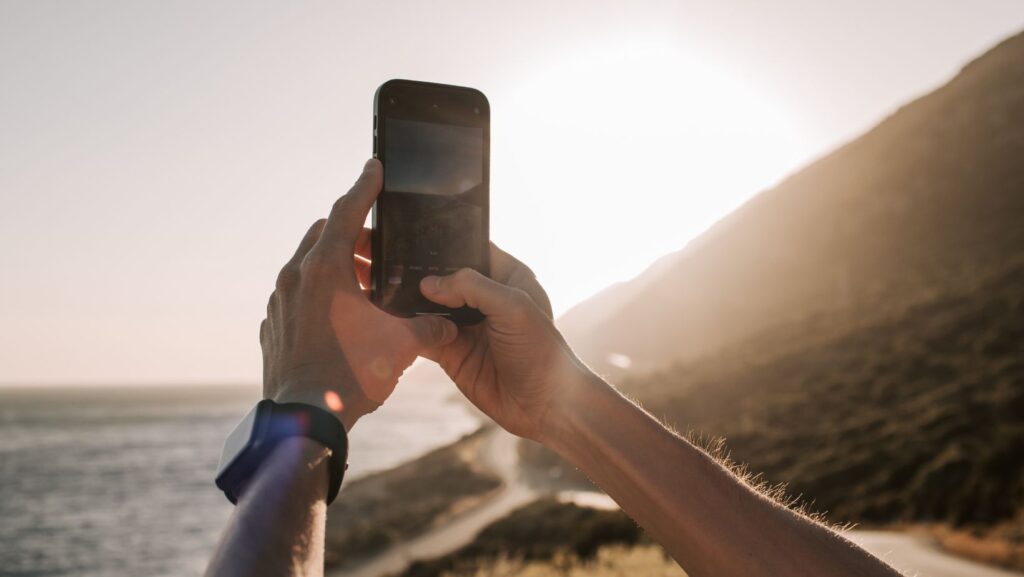
They weren’t distracted by trying to document them. This doesn’t mean photos are bad; it means memory comes from attention, not evidence.
Travel Without Filters Feels Different
Many people say their clearest memories come from trips where they didn’t take many photos. Without a camera in hand, they smelled the food more deeply, listened to the city more carefully, and noticed textures and colors. Memory gets richer when attention is free.
When Photos Bring Back Memories You Didn’t Know Were Missing
Sometimes a single old picture unlocks a memory the brain had buried. The detail in the background, a lamp, a jacket, a toy, triggers forgotten stories and feelings. Photos can act like keys, not just recordings. They don’t always replace memory; they can revive it.
The Best Memories Are a Balance
Some moments deserve to be captured. First steps. First concerts. Graduation. A trip with friends you might never see again. But the moments between them matter too. Not everything needs to be saved. Sometimes a perfect day has no photos, yet it lives sharper in the mind.