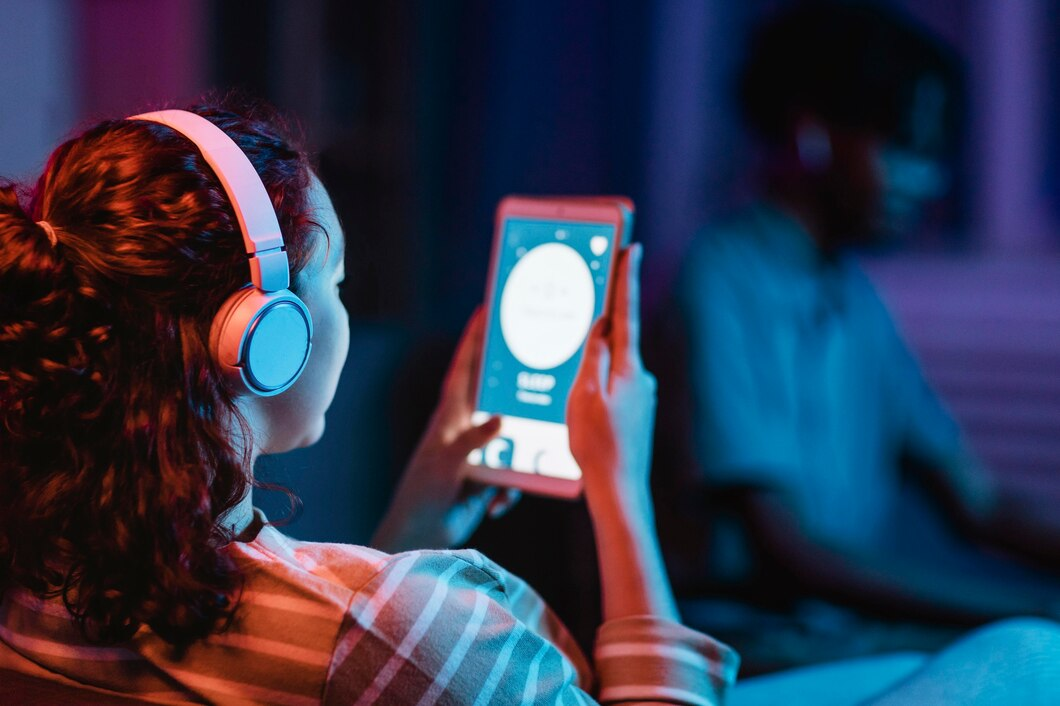
Twenty years back, “home entertainment” basically meant cable TV and maybe a DVD player if you were lucky. Fast forward to now – the phone in your pocket has more horsepower than gaming rigs from 2005, and smartwatches can pull off tricks that would’ve needed a full desktop setup back then. Tech completely flipped how we spend free time. You can jump into proper AAA titles while commuting, binge 4K shows on a tablet, or hit the virtual poker tables without moving from your couch.
The entertainment gadget market keeps exploding. International Data Corporation puts 2024 smartphone sales at 1.17 billion units worldwide, with gaming consoles adding another 60 million to the mix. Pretty wild numbers, and they prove one thing – people will drop serious cash on quality entertainment that fits in their bag.
Entertainment broke free from just movies and music ages ago. Take Mateslots Bonuses – they let you dive into casino games right from your phone, and since Mateslots is an online casino, they’ve made sure their slots and roulette work smoothly on whatever screen you’ve got. That kind of flexibility changes everything. Entertainment doesn’t need a specific location anymore. Just grab your device and decent wifi.
Everything in Your Pocket
Modern phones pack in functions that used to need ten different gadgets. Music player, gaming device, mini cinema, book reader, camera – all crammed into something thinner than your finger. Top-tier processors now match what PlayStation 4 could do, and 120 Hz displays make everything buttery smooth compared to monitors from just a few years ago.
Mobile gaming actually makes more money than consoles and PC combined now. Analysts tracked mobile game revenue at $92 billion in 2023 – over half the entire gaming industry. Makes sense when you think about it. Your phone goes everywhere, and touchscreens respond faster than you can register the tap.

Why phones dominate for entertainment:
- Battery and size work perfectly – 8 to 10 hours of actual use, maybe more if you’re just streaming. Watch stuff during your commute, throw on podcasts when you run, and game while waiting in line. All that in something under 200 grams that disappears into any pocket.
- App stores have everything – millions of options between App Store and Google Play. Puzzle games, deep strategy stuff, whatever you want. Most don’t even cost money, or they’re cheap enough that basically anyone can access them.
- Display tech got ridiculous – OLED panels at 2K or higher resolution show clearer images than plenty of TVs. Actual black levels, brightness hitting 2000 nits. You can watch content outside in full sun without squinting.
- Running multiple things simultaneously – music plays while you chat and browse, no lag whatsoever. Switching apps happens instantly when you’ve got 16 GB of RAM backing you up.
- Platform exclusives you can’t get anywhere – developers build these games specifically for one system and squeeze every bit of performance out. The result? Visual stunners with gameplay that keeps you hooked for 50+ hours easily, stories that actually matter.
- Zero hassle setup – plug it into your TV, download what you want, hit play. No graphics card research, no driver updates, no compatibility headaches. The system figures out optimal settings for your display automatically.
- Social stuff built right in – voice chat with friends, stream your gameplay, run through campaigns together or jump into tournaments. Gaming stopped being a solo activity years ago, and consoles make it stupid easy to connect with players worldwide.
Phone makers keep one-upping each other constantly. Spatial audio from built-in speakers, 8K video recording, wireless earbuds with noise cancellation that actually works. Features that sounded like sci-fi last year ship as standard now. Phones unlock with your face, adjust brightness automatically based on surroundings, and some even predict what app you’ll open before you do it.
Gaming Consoles – Raw Power When You Need It
Serious gamers still lean on consoles. PlayStation 5 and Xbox Series X push photorealistic visuals that make expensive PCs sweat. SSD storage means levels load in seconds instead of minutes, and ray tracing does lighting and reflections so well that you forget you’re looking at rendered graphics.

Newzoo’s data shows over 800 million active console players globally in 2024. These boxes took over living rooms everywhere. They’re not just for games either – Netflix, Spotify, and YouTube all run perfectly fine, basically turning your console into a complete media hub that rivals dedicated smart TVs.
What makes consoles worth it:
Current-gen consoles handle 4K at 60 fps standard, with some titles pushing 120 fps on the right TVs.
Tablets and Laptops – Meeting in the Middle
Tablets sit between phones and full computers nicely. 10 to 13-inch screens work great for movies, comics, documents, whatever. Still light enough to hold one-handed, though. Top-end tablets match laptop performance now – video editing, photo work, demanding games all run fine.
Gaming laptops became proper portable powerhouses. Strong GPUs, fast CPUs, and high refresh displays that let you max out settings on any game. Sure, they’re heavier than ultrabooks, and the battery drains quickly, but you get flexibility. Take it traveling or hook it to a monitor at home for proper sessions. RGB keyboards and multi-fan cooling became baseline features for gaming laptops.
Picking What Actually Fits Your Life
No single device works for everyone – depends entirely on what you do. Casual gaming and streaming? A mid-range phone handles it fine. Want AAA graphics that look like movies? Grab a current console. Need portability but willing to pay for performance? Gaming laptop’s your answer.
Tech moves fast, though. Today’s flagship becomes tomorrow’s old news within two years, maybe less. Buy for what you need right now instead of trying to future-proof. The market keeps dropping new options that make entertainment cheaper and better anyway.
Gadgets completely rewired how we relax. Entertainment became personal, instant, ridiculously varied. Tech removed the friction between wanting downtime and actually getting it. Pull your phone out or boot the console, you’re set. And we’re just getting started – VR headsets, cloud gaming, neural interfaces are coming. This industry never stops pushing forward.