High-value collectibles only get more valuable with time, provided you have the means to keep them safe from environmental factors, dust, the passing of time, or sticky fingers. Whether it’s a painting, a minted figurine, a vintage book, or a rare coin, even the slightest damage could significantly reduce its value.
In the old days, before biometric sensors and humidity-controlled smart safes were a thing, collectors had a really tough time keeping their valuables safe. Collectibles like coins and stamps often fused with their protective materials, leading to an unfortunate loss of value.
Luckily, nowadays we have smart safes, so collectors can breathe a sigh of relief. To be fair, new technology can be a bit on the pricier side, but if you want to make sure your rare coins and/or paintings make it through the test of time, this is a necessary investment.
In today’s article, we’ll show you why smart safes are the best option for high-value collectibles.
Smart Safes with Full Environment Control
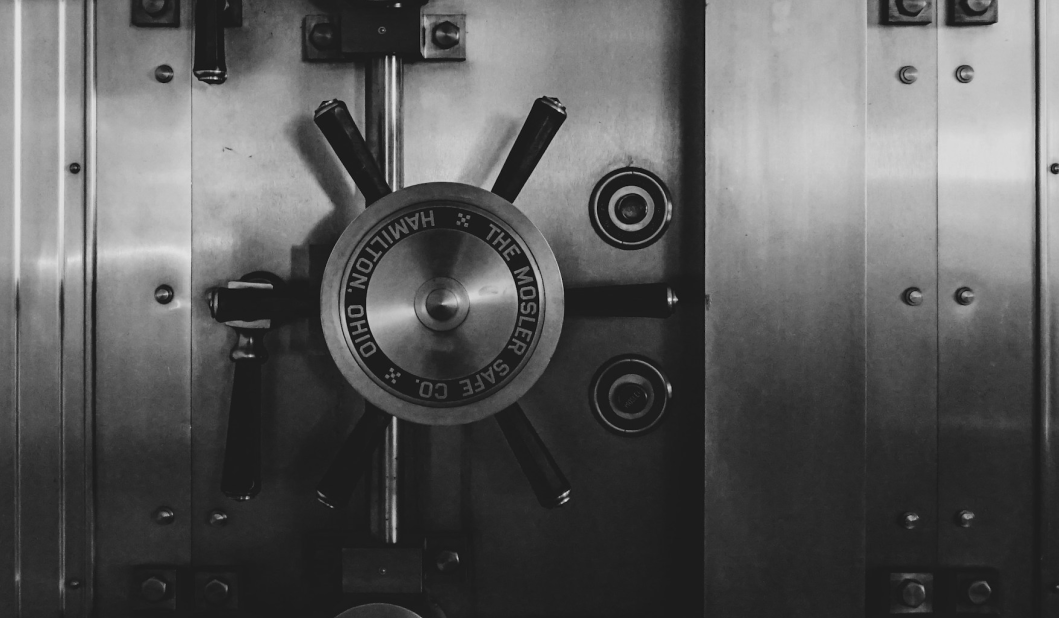
A safe is no longer just a big metal box with a big rotary lock that no one can crack. Modern ones are active micro-climate ecosystems that regulate the very air surrounding them to prevent the slow, molecular decay of their contents.
For instance, humidity is the number one problem for most collectibles. Smart safes have hermetically sealed doors with rubber gaskets that ensure not even a drop of water makes its way inside.
However, if the internal sensors detect a 2% deviation from the set point, the system triggers a micro-evaporator or desiccant cycle to stabilize the air.
Next on the list is air. Yes, air itself is corrosive. Sulfur, ozone, and volatile organic compounds (VOCs) are what actually tarnish silver coins and yellow paper. If you want to keep your Libertad silver coins looking like new until the end of time, you’ll need a safe that comes with integrated HEPA and Activated Carbon air scrubbers.
The carbon filter adsorbs gases that cause “toning” on coins, while HEPA filters remove 99.97% of dust and particulates that can act as abrasive nesting grounds for moisture.
A New Level of Security
Security is a primary concern among collectors (and for good reason!), and, thanks to advanced technologies, it’s close to impossible to break into a smart safe. We’re not talking about mere biometric authentication here, but a multi-layered approach that combines physical barriers with digital intelligence.
Let’s take authentication mechanisms as an example. While fingerprint scanners are still common, luxury and high-security safes have shifted toward physiological biometrics that are nearly impossible to spoof.
Here are a few examples:
- Palm vein scanning – a form of biometrics that uses near-infrared light to map the unique vein patterns beneath the skin. Because it requires active blood flow (a “live heartbeat”), it cannot be tricked by silicone molds or “lifted” prints.
- 3D facial recognition – using LiDAR or structured light (similar to high-end smartphones), some safes can map the depth of a face. This prevents photo-spoofing and works in total darkness.
- Iris and retinal scanning – these systems analyze the unique patterns of the iris or the blood vessels in the retina, and boast a False Acceptance Rate (FAR) of less than 0.0001%.
- Behavioral biometrics – some smart interfaces analyze keystroke dynamics (the specific rhythm and pressure with which you enter a backup PIN) to ensure the person at the keypad isn’t under duress.
Fully Automated and Integrated Systems
There’s a good reason why these are called “smart” seifs, and it’s not the fancy authentication system (although impressive). High-end safes are integrated with your home ecosystem and can recognize and react to negative events.
For example, if the safe’s internal sensors detect a power loss or a rise in humidity, you receive a real-time push notification. Some systems can be programmed to trigger your home’s HVAC system to boost cooling in a specific room if the safe’s internal cooling is working at over 80% capacity.
Some truly smart seifs learn your habits. If it is accessed at 3:00 AM when you’re usually asleep, or if it detects a loitering presence via external proximity sensors, it can trigger a silent alarm to your phone or security provider before the intruder even knows its location.
Wrap Up
There you have it: smart safes can now control their own environment, protect their contents and themselves, and send you notifications in case something isn’t right. If you want your collectibles to age like fine wine and not like milk, you need a smart safe to protect them.