
Your living room feels perfect, but the bedroom is freezing, and the upstairs office is stuffy. Sound familiar? Keeping every room comfortable without driving up energy bills takes a smarter approach, not a bigger HVAC system.
The good news is that small, strategic changes can make a big difference. Below are practical ways to balance comfort and cost in every part of your home.
Use Mini Split Systems for Zoned Comfort
Heating or cooling your entire house to fix one uncomfortable room wastes energy fast. Zoned systems solve that problem by letting you control temperatures room by room instead of blasting air everywhere.
However, in larger homes, the problem goes beyond simple discomfort. A single HVAC system often struggles to balance temperatures across multiple rooms, especially when different areas have different sunlight exposure, usage patterns, or insulation levels. This leads to longer run times, higher energy bills, and constant thermostat adjustments that never fully solve the issue.
The challenge becomes more noticeable in larger homes with multiple actively used rooms, especially when 6 or more spaces require different temperature settings throughout the day. In these situations, relying on a single HVAC system forces you to overcompensate, leading to higher energy use, uneven comfort, and faster system wear.
That’s where Seven-Zone Mini Split Systems become a practical choice, allowing you to independently control temperatures across multiple rooms without overloading a single system or wasting energy on areas that don’t need it.
Advanced configurations also improve efficiency, which directly reduces your monthly operating costs while extending the lifespan of your equipment.
Zoned comfort works especially well for:
- Multi-story homes with uneven temperatures
- Houses with additions or converted garages
- Families with different temperature preferences
With mini split systems, you no longer need to overheat the entire house to fix one cold bedroom. Instead, you can adjust only the zone that needs it.
Upgrade Insulation to Lock in Comfort
Air leaks and weak insulation force your HVAC system to run longer than necessary. Even the most efficient equipment struggles when conditioned air escapes through poorly insulated walls and attics.
Proper wall insulation can reduce gas consumption in many homes. Lower gas use means lower utility bills for you during peak heating season. Reduced energy demand also helps maintain steadier indoor temperatures.
Attic insulation, sealed ductwork, and weather-stripping around doors can dramatically improve room-to-room consistency. Comfort improves because conditioned air stays where it belongs instead of leaking outdoors.
Use Smart Thermostats and Room Sensors
Temperature swings often happen because your thermostat only reads conditions in one location. A hallway sensor does not reflect how your upstairs bedroom feels in the afternoon.
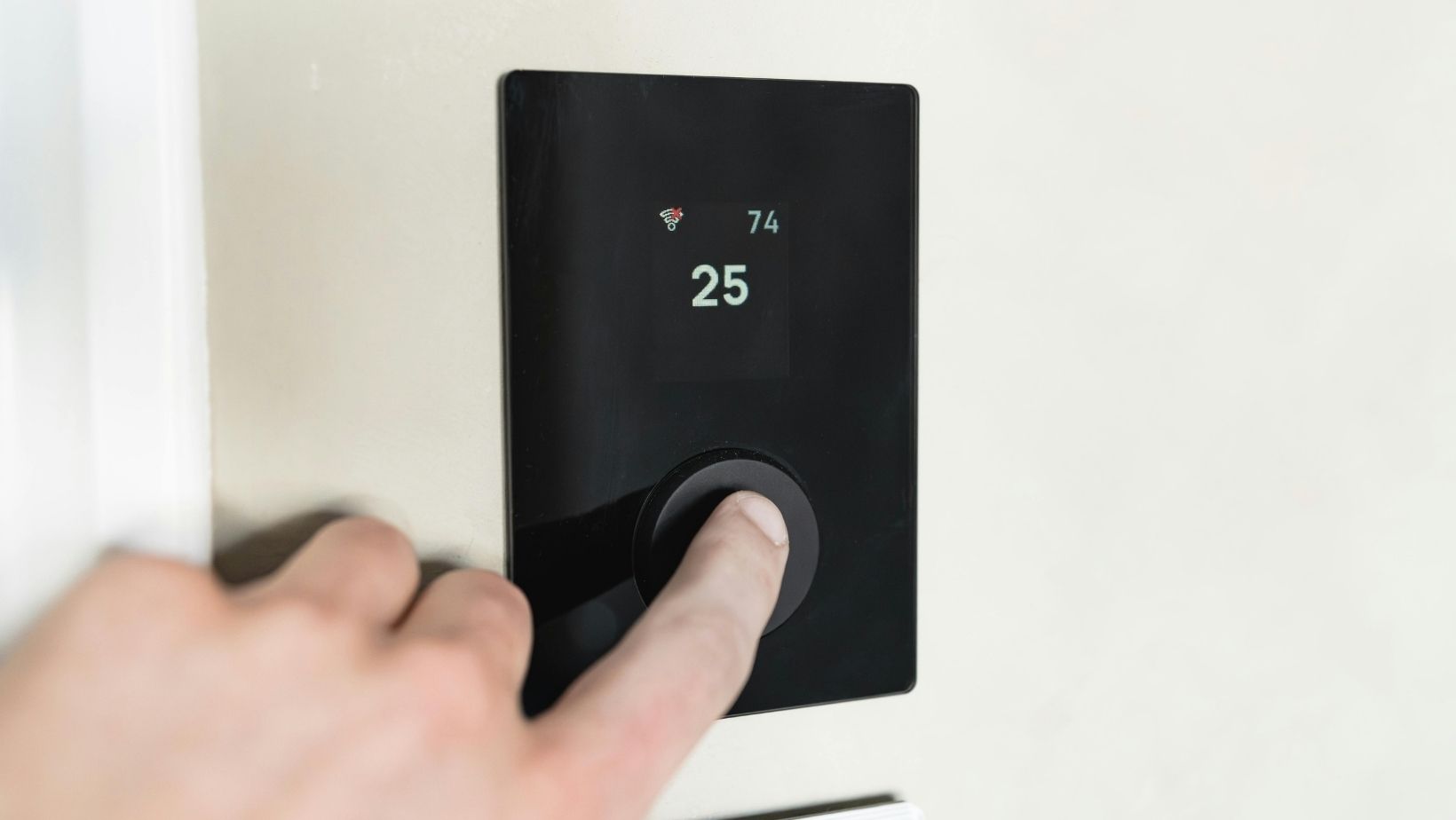
Pairing high-efficiency equipment with proper controls helps homeowners maximize savings. And better controls mean your system runs based on real demand, not guesswork.
Smart thermostats with room sensors adjust output based on occupied spaces. Cooling unused rooms less frequently or lowering the heat in empty areas can cut unnecessary runtime without sacrificing comfort where it matters most.
Smart home technology is not only improving temperature. It is also redefining everyday convenience.
Take Advantage of Available Energy Credits
Upgrading equipment or insulation can feel expensive upfront. But available federal tax credits can offset part of that cost for qualifying improvements.
According to a report by Kiplinger, homeowners may qualify for credits on heat pumps, insulation, and other efficiency upgrades. But there are specific annual caps.
Financial incentives make it easier for you to invest in systems that are sure to reduce your monthly bills. Lower upfront costs shorten the payback period on energy-saving improvements.
Planning upgrades strategically allows you to combine comfort improvements with tax advantages. Timing projects before incentives change can maximize long-term savings.
Balance Airflow With Routine Maintenance
Even the best system cannot perform efficiently when airflow is restricted. Dirty filters, blocked vents, and neglected maintenance reduce performance and create uneven temperatures.
Simple maintenance habits can prevent common comfort problems. So, make sure you:
- Replace air filters every one to three months
- Keep vents and returns clear of furniture
- Schedule annual professional HVAC tune-ups
Routine maintenance helps your system distribute air evenly across rooms. And improved airflow reduces the need to crank up settings just to feel comfortable.
A Smarter Path to Whole-Home Comfort
What does keeping every room comfortable without skyrocketing your energy bills come down to? Control, efficiency, and smart upgrades.
Zoned solutions like mini split systems, improved insulation, modern controls, and regular maintenance all work together to reduce waste while boosting comfort.
If certain rooms in your home never seem to feel right, exploring advanced options such as mini split systems could be a practical next step. So, explore your options, review system specifications, and reach out through appropriate product pages to find a solution.
And if this article was helpful, be sure to take a look at our other informative content!