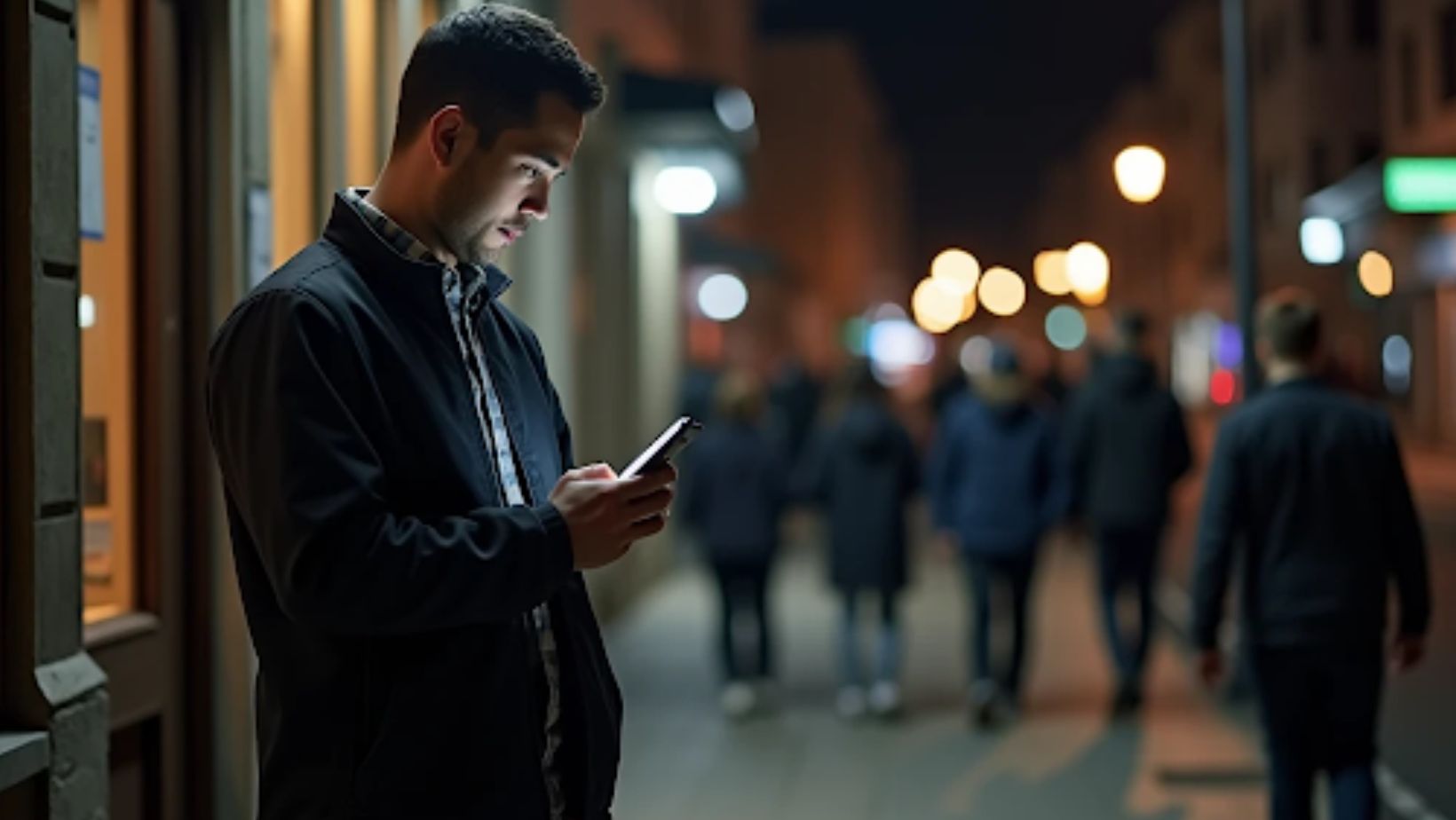
City life creates a specific rhythm where privacy often exists without being declared. People move through crowded streets, shared buildings, and public transport while keeping their personal intentions largely unnoticed. Someone leaves a coworking space after hours, checks a phone while waiting for a ride, and briefly scans profiles before deciding whether to message someone on eros escort as part of a private, intentional interaction. In such moments, discretion is not enforced by rules or signs. It emerges naturally from the environment, the pace, and the shared understanding that everyone is focused on their own trajectory.
How Discretion Actually Works in Modern Cities
Discretion in cities is rarely about secrecy in the dramatic sense. It is built into everyday movement, spatial density, and social norms that prioritize non-interference.
Everyday Urban Behaviors That Create Privacy by Default
Most city residents practice discretion without consciously planning it. Certain behaviors quietly reduce visibility and scrutiny.
- Moving with purpose and avoiding unnecessary eye contact
- Using personal devices briefly rather than continuously in public
- Blending into predictable flows such as commuting hours
- Treating shared spaces as neutral zones rather than social arenas
- Respecting unspoken boundaries in elevators, cafés, and lobbies
These habits create a baseline where private actions remain unremarkable. Reading about such patterns helps people recognize that discretion is often already present in their routines.
Why Big Cities Encourage Low-Visibility Interaction
Large cities normalize diversity of behavior. When thousands of people share the same streets, individual actions lose significance. This scale reduces curiosity and judgment. The expectation is simple: everyone is busy, and no one needs an explanation. This social contract makes cities uniquely suited to discreet interaction, both offline and online, without requiring isolation.
Unexpected Places Where City Discretion Is Strongest
Discretion does not only exist in obviously private spaces. Some of the most effective environments are surprisingly public.
Social Norms That Protect Personal Boundaries in Cities
One of the least discussed aspects of city discretion is the role of informal social norms. In dense urban environments, people develop a shared expectation of limited engagement. This is not indifference, but a practical agreement that allows millions to coexist without constant friction. Eye contact is brief, conversations stay contained, and personal space is respected even in crowded settings. These patterns reduce the need for explanation or justification.
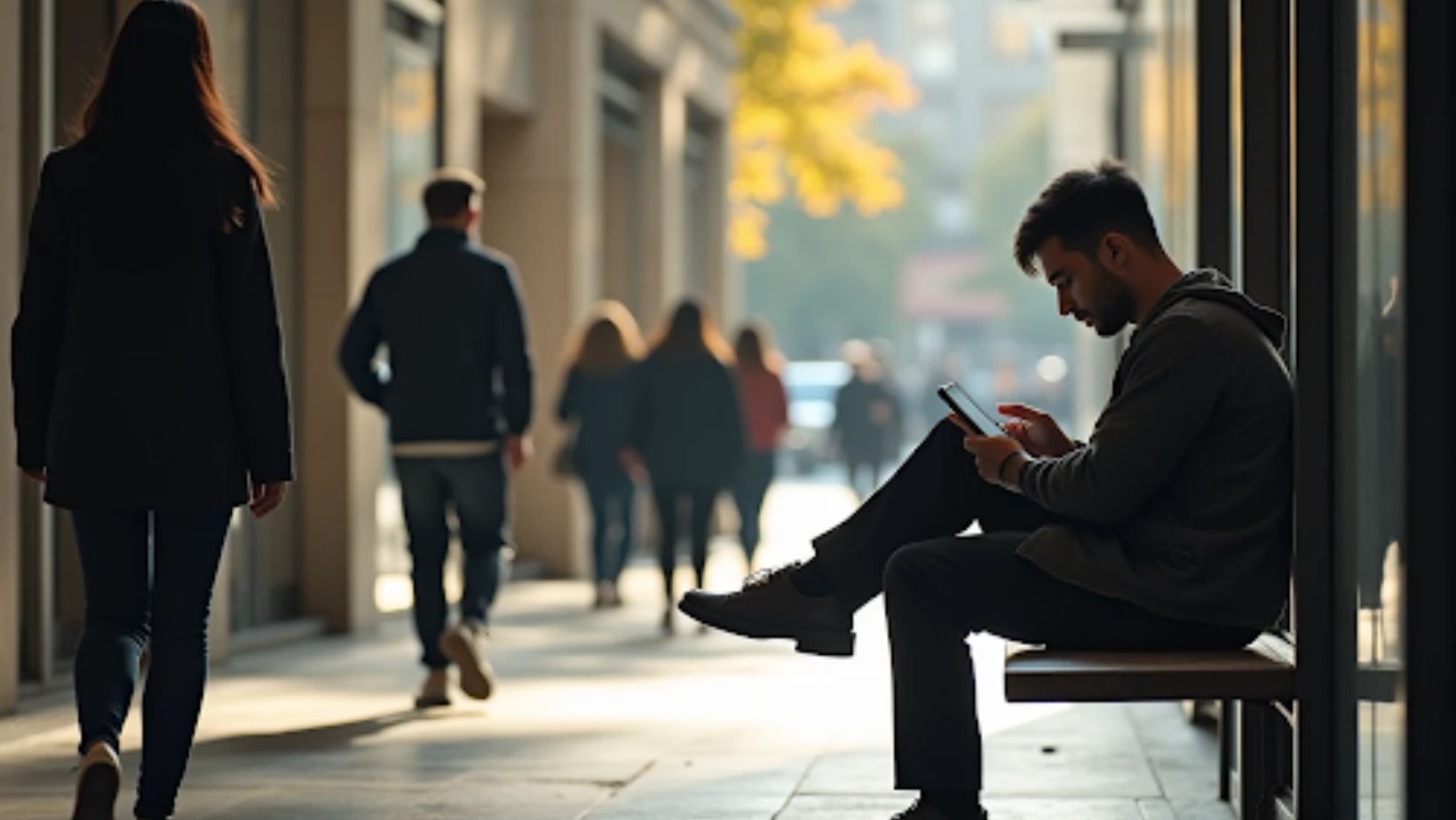
City residents quickly learn when interaction is appropriate and when it is not. A quiet phone check, a short pause in a lobby, or a brief exchange on a device rarely attracts attention because such moments are common. Discretion is reinforced by repetition. When everyone behaves this way, no single action stands out.
These norms also shape digital behavior. Users tend to favor direct, purpose-driven interaction over public broadcasting. Messages are sent with intent, profiles are reviewed quickly, and decisions are made without drawing unnecessary visibility. The city teaches efficiency, and efficiency supports privacy. By recognizing these unwritten rules, individuals can align their behavior with the environment rather than working against it.
Transit Zones, Lobbies, and Shared Buildings
Areas designed for movement rather than interaction offer natural cover for privacy.
- Subway platforms and bus terminals
- Residential building lobbies
- Hotel corridors and elevators
- Parking garages and ride-share pickup zones
In these spaces, attention is brief and transactional. People pass through without forming narratives about others, which protects personal intentions.
Digital Spaces Tied to Physical Locations
Platforms connected to city life often benefit from this same logic. When digital interaction is grounded in geography, it feels temporary and situational. Users engage, decide, and move on. The city context limits exposure because interactions are framed as local and momentary rather than permanent or broadcast-driven.
Technology That Quietly Supports Discreet City Life
Modern tools rarely advertise discretion as a feature, yet many are built around it by design.
Location-Aware Platforms and Short-Lived Interactions
Certain technological patterns align naturally with urban discretion.
- Interfaces designed for quick checks rather than prolonged browsing
- Location-based relevance that reduces unnecessary visibility
- Interaction models focused on direct intent instead of public performance
These systems fit into city routines where decisions are made efficiently and privately, without leaving excessive traces or inviting attention.
Conclusion: Why City Discretion Is Often Misunderstood
City discretion is frequently misunderstood because it does not look like secrecy. It looks ordinary. It is embedded in movement, density, and mutual indifference. People assume privacy requires effort, yet in urban environments it often emerges automatically through shared behavior and space. Recognizing this helps shift perspective from fear of exposure to awareness of how cities already support discreet living when actions remain intentional and measured.