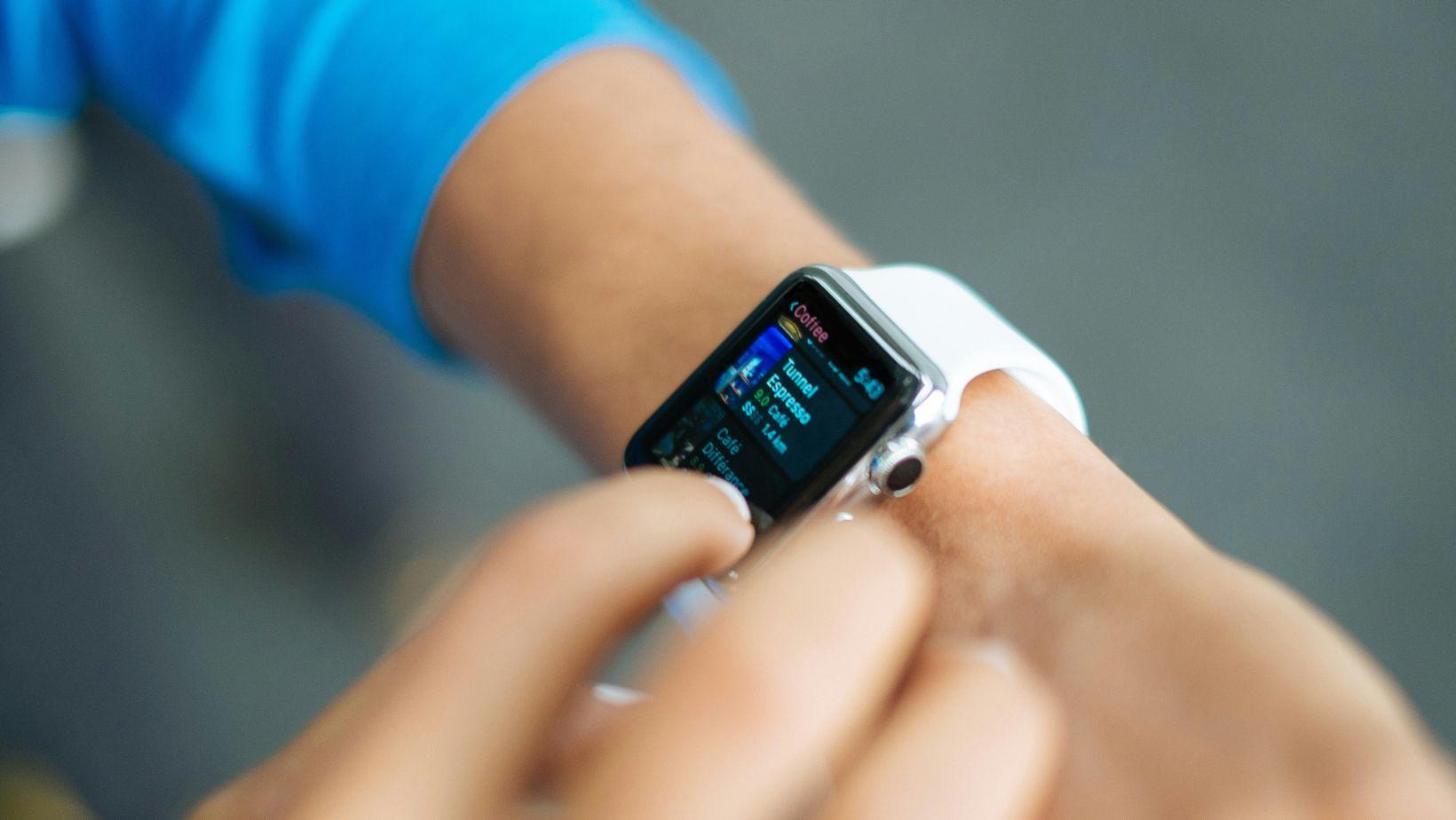
The first smartwatch check is usually triggered by something practical.
A message arrives during a meeting. A calendar reminder appears while walking to lunch. A delivery notification buzzes during a train journey. The user glances at their wrist and decides whether the notification matters. Sometimes it does. Sometimes it can wait.
The interaction is over almost immediately. That is precisely why it becomes so easy to repeat. A quick look while waiting for coffee. Another while crossing a station concourse. One more while standing in a queue.
Most of these moments are forgotten as soon as they happen, yet they occur often enough to become part of the day.
Many users can remember the day they bought the device. Far fewer can identify the moment the wrist check became a habit.
Before The Watch Arrives
Most smartwatch purchases begin with research. People compare battery life, screen quality, fitness features, and operating systems. Reviews are watched. Forums are visited. Friends are asked for recommendations.
The process often becomes surprisingly detailed. Whether someone is choosing a smartwatch, comparing smartphones, or researching a top stellar gambling site and platforms such as Anjouan Online Casinos, the behavior follows a familiar pattern. Most people want confidence before spending their time or money.
The interesting part comes after the purchase. That is when the technology stops being a product and starts becoming part of a routine.
The First Few Days
New smartwatch owners tend to notice everything. Every vibration feels important. Every notification attracts attention. Features that might eventually become ordinary suddenly feel fascinating.
Heart-rate tracking is checked repeatedly. Step counts become a topic of conversation. Weather updates appear more useful than expected. Sleep tracking produces information that many users never knew they wanted.
The watch spends its first few days proving its value. Some features succeed immediately. Others quietly disappear into the background.
The Habit Nobody Notices Forming
Most habits arrive gradually. Nobody wakes up one morning and decides to check their smartwatch thirty times a day. Instead, the behavior develops through repetition.
A quick glance while waiting for coffee. Another while standing in a queue. One during a meeting. One more while crossing a car park.
Each interaction feels too small to matter. Together, they become routine.
That gradual transition is what makes wearable technology different from many other devices. The technology succeeds not because people spend hours using it, but because it slips into moments that already exist.
The New Notification Filter
Many smartwatch owners only notice the device’s influence when it is not there.
The watch gets left on a bedside table or forgotten on a charger. The day begins normally enough. Then something feels slightly different.
The phone comes out more often. The time gets checked more frequently. Small tasks that usually take a second suddenly require a little more effort.
Nothing dramatic has happened. The watch is simply missing. That moment often reveals how thoroughly the device has worked its way into everyday routines.
Looking Without Thinking
A smartwatch user checks the time while waiting for a meeting. Later, a notification appears during a meeting. Before heading home, they glance at their step count.
None of it feels memorable at the time. That is partly why the habit is so easy to overlook.
The same thing happens throughout the day. A quick look while waiting for someone. Another before crossing a busy street. One more while standing in a queue.
None of the individual moments feels important. That is precisely why they are so easy to miss.
More Than Messages
Smartwatches are often associated with notifications, but many users stay for entirely different reasons.
Fitness tracking remains one of the biggest attractions. Daily step goals encourage extra movement. Workout tracking helps people monitor progress. Sleep data provides insights that would have been difficult to access a few years ago.
For some users, these features become more valuable than the notifications that originally justified the purchase.
The device begins as a communication tool and gradually evolves into something else.
The Device That Was Supposed To Be Optional
Many smartwatch owners originally planned to wear the device only when necessary.
Perhaps during exercise, work, or traveling. The intention sounds sensible. Then something changes. The watch becomes part of everyday life.
Leaving the house without it starts to feel unusual. Users glance at their wrist and realize something is missing. A device that once felt optional slowly becomes expected.
The transition is surprisingly common. It also tends to happen quietly.
The Battery Conversation
Every smartwatch owner eventually develops a relationship with battery life.
Some charge the device every evening. Others prefer to stretch usage across several days. Many become far more aware of battery percentages than they ever expected.
The conversation appears regularly among smartwatch users. How long does yours last? Do you charge it overnight? Did the latest update improve anything?
These are not questions people discussed particularly often before wearable devices became mainstream. Now they are part of everyday technology conversations.
Information Finds The User
A smartwatch owner leaves work and receives a weather alert on the walk home. A few minutes later, a calendar reminder appears. Before reaching the station, a message arrives.
A few years ago, those updates would have required opening several apps. Now they simply appear throughout the day.
A Habit Measured In Seconds
Someone checks the time while waiting for coffee. Another glances at a notification in a queue. A third looks at their step count before heading home.
Each interaction lasts only a second or two.
Most are forgotten almost immediately, yet they happen often enough to become part of the day without people really noticing.