Picture this: You’re walking down a busy city street, the air thick with exhaust and the faint tang of something burning. You cough, wishing you could just zip yourself into a bubble of clean air. That’s not science fiction anymore. The wearable air purifier is here, and it’s changing how we fight pollution—one breath at a time.
Why Air Quality Feels Personal Now
Let’s get real. Air pollution isn’t just a headline. It’s the scratch in your throat after a morning jog, the stinging in your eyes on your commute, the worry you feel when your kid coughs. According to the World Health Organization, 99% of people breathe air that exceeds safe pollution limits. That’s not just a statistic—it’s your lungs, your family, your daily life.
If you’ve ever checked the air quality index before leaving home, you know the anxiety. You want to protect yourself, but masks feel stuffy and air purifiers at home don’t help when you’re outside. Enter the wearable air purifier: a small, portable device that creates a personal zone of cleaner air wherever you go.
What Is a Wearable Air Purifier?
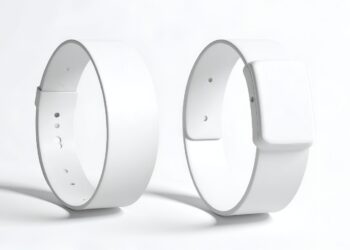
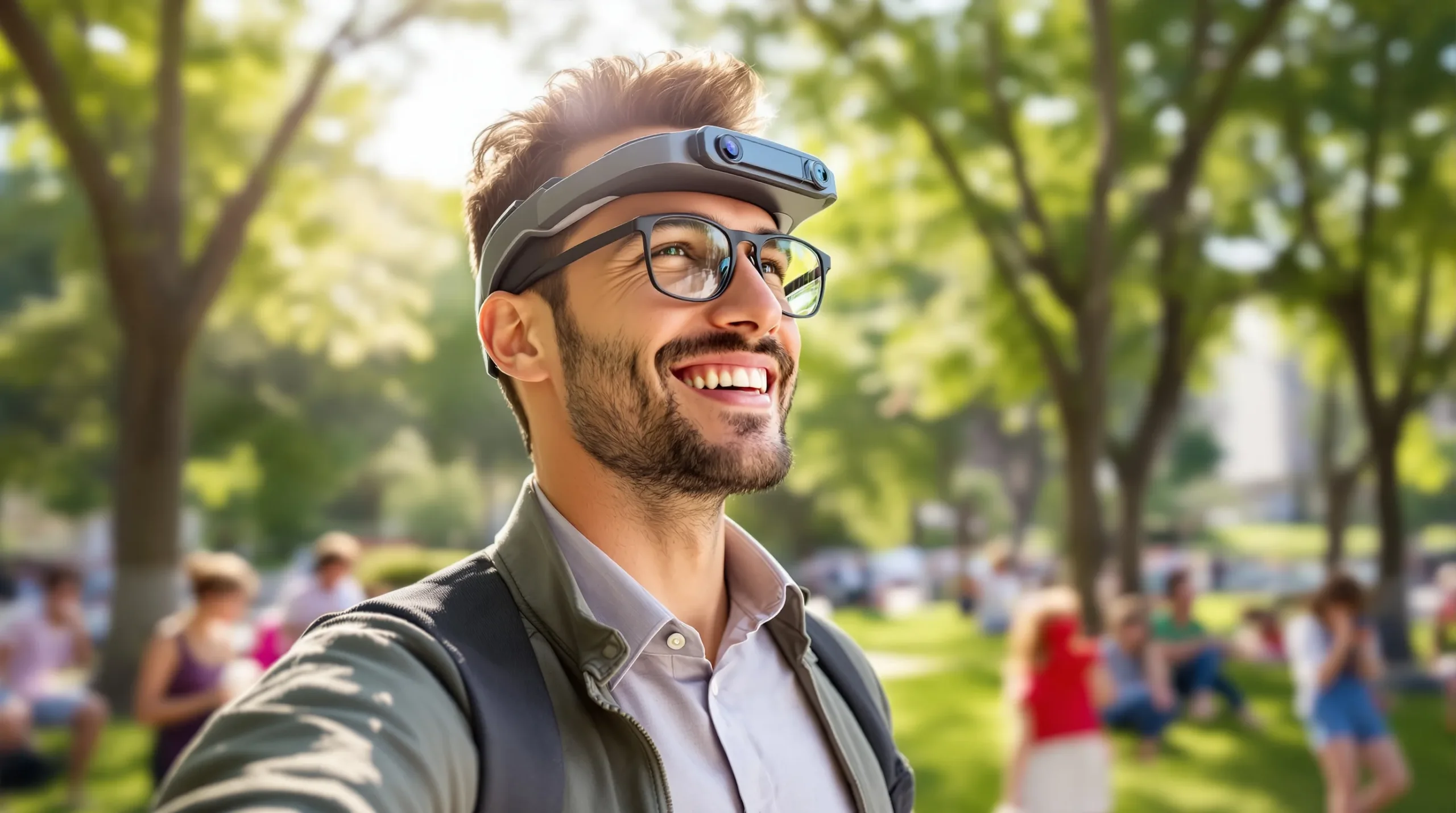
A wearable air purifier is a compact device you wear around your neck, clip to your shirt, or even attach to your bag. It uses technology like ionization or mini HEPA filters to reduce airborne particles—think dust, pollen, smoke, and even some bacteria—right where you breathe. Some models look like sleek pendants, others like futuristic badges. The goal? Give you a pocket of cleaner air, no matter where you are.
How Does It Work?
Most wearable air purifiers use negative ion technology. They release millions of negative ions that attach to airborne particles, making them heavier so they fall away from your breathing zone. Some advanced models use tiny fans and filters to physically trap particles. The result: fewer pollutants reach your nose and mouth.
Here’s the part nobody tells you: Not all wearable air purifiers are created equal. Some only work in very close proximity, while others have a wider effective range. Always check the specs before you buy.
Who Needs a Wearable Air Purifier?
If you live in a city with smoggy days, have allergies, or just want peace of mind during flu season, a wearable air purifier could be your new best friend. It’s especially helpful for:
- Commuters who spend hours in traffic or on public transport
- Outdoor runners and cyclists
- People with asthma or respiratory issues
- Travelers visiting cities with poor air quality
- Parents worried about their kids’ exposure to pollution
But let’s be honest: If you expect a wearable air purifier to turn Beijing’s air into Swiss mountain air, you’ll be disappointed. These devices help, but they’re not magic. They work best as part of a bigger strategy—think of them as your personal shield, not a force field.
What to Look for in a Wearable Air Purifier
Shopping for a wearable air purifier can feel overwhelming. Here’s what actually matters:
- Filtration Type: Ionizers are common, but HEPA filters catch more particles. Decide what matters most for your needs.
- Battery Life: Some last 8 hours, others up to 30. If you’re out all day, don’t settle for less.
- Noise Level: The best wearable air purifiers are whisper-quiet. If it sounds like a tiny jet engine, skip it.
- Weight and Comfort: You’ll wear this for hours. Lightweight, comfortable designs win every time.
- Coverage Area: Some only protect a few inches around your face. Others claim up to a meter. More isn’t always better, but it helps.
Here’s why: The right device fits your lifestyle. If you’re a runner, you want something light and sweat-resistant. If you’re a commuter, battery life and coverage matter more. Don’t just buy the first one you see on social media.
Real-World Results: What Users Say
Let’s break it down. I tried a wearable air purifier during allergy season in Los Angeles. The first day, I noticed less sneezing and my eyes didn’t itch as much. Was it placebo? Maybe. But after a week, I forgot I was even wearing it—until I left it at home and felt the difference. Other users report similar stories: fewer headaches, less coughing, and a sense of control over their environment.
But not everyone loves them. Some people find the devices awkward or worry about the science. A 2022 study in the journal Environmental Science & Technology found that while wearable air purifiers can reduce particle exposure, their effectiveness depends on the environment and device quality. Translation: They help, but they’re not a silver bullet.
Tips for Getting the Most from Your Wearable Air Purifier
- Charge it fully before heading out
- Wear it close to your face for best results
- Clean or replace filters as recommended
- Pair with a mask on high-pollution days for extra protection
- Don’t expect miracles—use it as part of a bigger air quality plan
Next steps: Try one for a week. Track how you feel. If you notice fewer symptoms, you’ve found a new ally. If not, you’re only out the cost of a dinner out—and you’ve learned something about your own needs.
Who Should Skip Wearable Air Purifiers?
If you spend most of your time indoors with good air filtration, you might not need a wearable air purifier. People with pacemakers or certain medical devices should check with their doctor before using ionizers. And if you’re sensitive to noise or don’t like wearing things around your neck, this might not be your thing.
But if you crave a little more control over what you breathe, and you’re tired of feeling helpless on smoggy days, a wearable air purifier could be the small change that makes a big difference.
The Bottom Line: Breathing Easier, One Step at a Time
Here’s the truth: No gadget can fix the world’s air overnight. But a wearable air purifier gives you a fighting chance—one breath, one block, one day at a time. It’s not about perfection. It’s about progress. If you’ve ever wished for a personal shield against pollution, this is your moment to try it. The air might not be perfect, but your next breath can be a little bit better.