Imagine this: You’re hiking a narrow ridge at sunrise, the world below still wrapped in mist. Your heart pounds, hands grip the straps of your backpack, and every step feels like a small victory. But instead of fumbling for your phone or missing the moment, your wearable camera quietly records it all—your breath, the crunch of gravel, the first golden light. Wearable cameras aren’t just gadgets; they’re memory machines, capturing life as it happens, hands-free.
What Are Wearable Cameras?
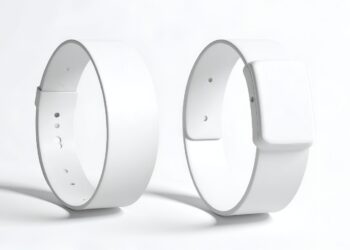
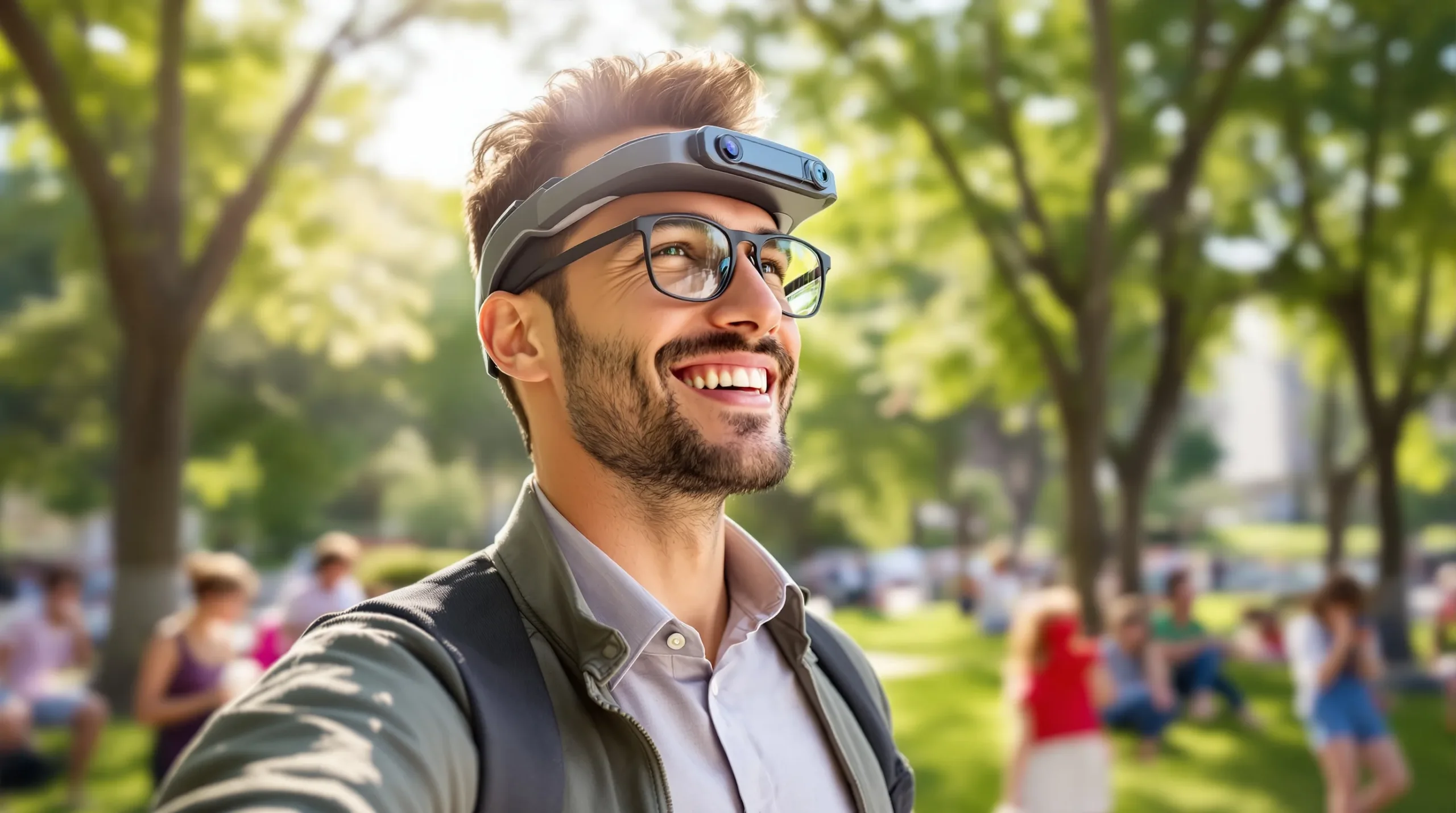
Wearable cameras are small, lightweight devices you attach to your body or clothing. They record video, snap photos, and sometimes even stream live. Think of them as your personal documentary crew, always ready. Whether clipped to your shirt, strapped to your helmet, or worn as glasses, these cameras let you capture your world from your own point of view.
Why People Love Wearable Cameras
If you’ve ever tried to film a bike ride with your phone, you know the struggle. Shaky footage, missed moments, and the constant risk of dropping your device. Wearable cameras solve this. They keep your hands free and your focus on the experience. Athletes, travelers, parents, and even pet owners use them to record everything from mountain biking to a toddler’s first steps.
- Action sports: Skiers, surfers, and skydivers use wearable cameras to capture adrenaline-packed moments.
- Daily life: Parents record family outings without missing the fun.
- Work: Police officers and delivery drivers use them for safety and accountability.
- Vlogging: Creators share their lives with followers, hands-free.
Here’s the part nobody tells you: The best moments are often the ones you don’t expect. A sudden laugh, a stumble, a look of wonder. Wearable cameras catch these micro-moments, the ones that make stories real.
How Wearable Cameras Work
Most wearable cameras use wide-angle lenses to capture as much as possible. They record to internal memory or a microSD card. Some models connect to your phone via Bluetooth or Wi-Fi, letting you preview footage or share clips instantly. Battery life ranges from an hour to all day, depending on settings and use.
Key Features to Look For
- Resolution: 1080p is standard, but 4K models offer sharper video.
- Stabilization: Good stabilization means smoother, watchable footage.
- Mounting options: Look for clips, magnets, or straps that fit your lifestyle.
- Water resistance: Essential for outdoor adventures or rainy days.
- Battery life: Longer is better, but quick charging helps too.
Let’s break it down: If you’re a cyclist, you want a camera that’s light, stable, and easy to mount on your helmet. If you’re a parent, you might prefer a clip-on model that’s simple to use and safe around kids. The right wearable camera fits your life, not the other way around.
Real Stories: Wearable Cameras in Action
Last summer, I strapped a wearable camera to my dog for a walk in the park. The footage? Hilarious. Squirrels, mud puddles, and a close-up of a sandwich someone dropped. It wasn’t polished, but it was real. That’s the magic—wearable cameras show the world as you (or your dog) see it.
Professional athletes use wearable cameras to review their performance. Teachers use them for virtual field trips. Even doctors have started using them for training and remote consultations. The possibilities keep growing.
Who Should (and Shouldn’t) Use Wearable Cameras?
If you love capturing experiences without fuss, wearable cameras are for you. They’re perfect for:
- Adventurers who want to relive every second
- Parents who want to be present, not stuck behind a screen
- Content creators who need authentic, first-person footage
- Professionals who need a record of their work
But they’re not for everyone. If you prefer staged, polished videos, or if privacy is a big concern, you might want to stick with traditional cameras. Some people feel self-conscious wearing a camera in public. That’s normal. Start small—try it on a hike or family outing before taking it everywhere.
Tips for Getting the Most from Your Wearable Camera
- Plan your shots: Think about what you want to capture, but stay open to surprises.
- Check your angle: A slight tilt can turn a great moment into a shot of your shoes.
- Keep it charged: Nothing kills the mood like a dead battery.
- Edit ruthlessly: Nobody wants to watch two hours of shaky footage. Trim to the best moments.
- Respect privacy: Always ask before filming others, especially in public places.
Here’s why these tips matter: Wearable cameras capture everything, not just the highlights. Editing and planning help you tell a story, not just record random clips.
Wearable Cameras and Privacy: What You Need to Know
Recording in public can raise eyebrows. Some places ban cameras, and people may not want to be filmed. Always check local laws and respect others’ wishes. Most wearable cameras have indicator lights, but it’s still good practice to let people know when you’re recording.
If you’ve ever worried about privacy, you’re not alone. The best approach? Be upfront, use your camera responsibly, and remember that not every moment needs to be shared.
The Future of Wearable Cameras
Wearable cameras keep getting smaller, smarter, and easier to use. Some now use AI to pick out the best moments automatically. Others offer live streaming, voice control, or even augmented reality overlays. The goal? To help you capture life as it happens, without getting in the way.
But here’s the twist: The real value isn’t in the tech. It’s in the memories you keep and the stories you share. Whether you’re climbing a mountain, chasing your kids, or just walking the dog, wearable cameras help you see—and remember—life from a new angle.
So, if you’re ready to capture your world in real time, a wearable camera might be your new favorite companion. Just don’t forget to look up from the lens and live the moment, too.