Picture this: You’re running through the park, sweat dripping, heart pounding, and your watch vibrates. It’s not just tracking your steps—it’s warning you that your heart rate’s spiking. You slow down, grateful for the nudge. That’s wearable electronics in action, and it’s not science fiction. It’s right on your wrist, changing how you live, move, and even sleep.
Why Wearable Electronics Matter Now
Wearable electronics aren’t just gadgets. They’re tiny, personal coaches, health monitors, and even style statements. If you’ve ever wondered why people obsess over their smartwatches or fitness bands, here’s the secret: these devices make life easier, safer, and sometimes a little more fun. The global market for wearable electronics hit $61 billion in 2022, and it’s still growing. That’s not just hype—it’s a sign that these devices are becoming part of daily life for millions.
What Counts as Wearable Electronics?
Let’s break it down. Wearable electronics include:
- Smartwatches (think Apple Watch, Samsung Galaxy Watch)
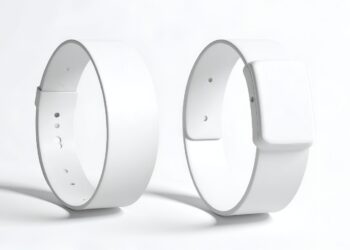
- Fitness trackers (Fitbit, Garmin, Xiaomi Mi Band)
- Smart rings (Oura Ring, Motiv Ring)
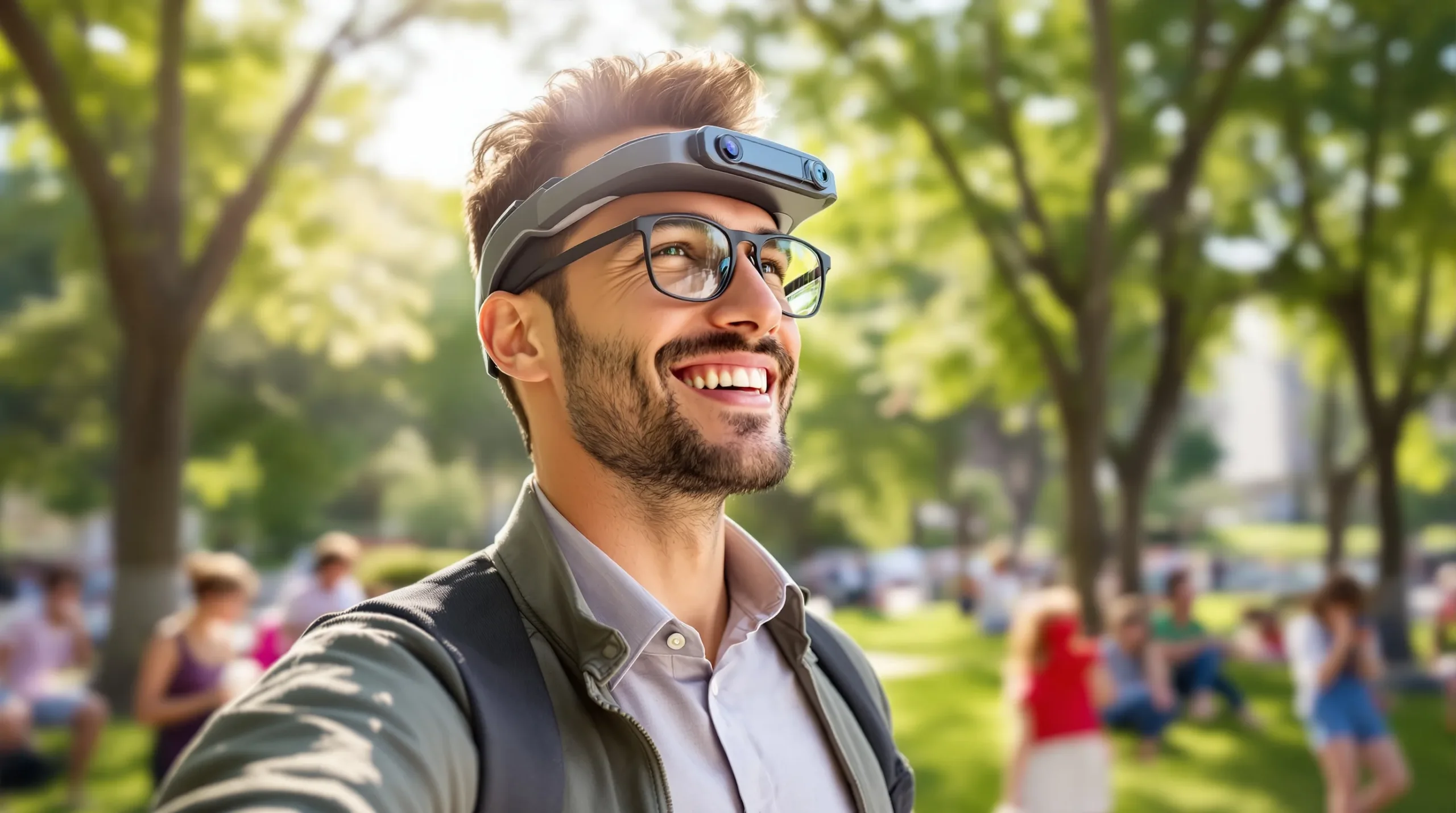
- Smart glasses (Google Glass, Ray-Ban Stories)
- Wearable ECG monitors and blood pressure cuffs
- Even smart clothing with built-in sensors
If you can wear it and it does something digital, it’s probably part of the wearable electronics family.
How Wearable Electronics Work
Here’s the part nobody tells you: most wearable electronics are tiny computers. They use sensors to track movement, heart rate, temperature, and more. These sensors send data to a processor, which crunches the numbers and gives you feedback—sometimes in real time. For example, a fitness tracker might use an accelerometer to count your steps, a heart rate sensor to monitor your pulse, and Bluetooth to sync with your phone.
Battery Life: The Hidden Struggle
If you’ve ever cursed your smartwatch for dying mid-run, you’re not alone. Battery life is the Achilles’ heel of wearable electronics. Most devices last one to seven days on a charge, depending on features. Some smart rings and fitness bands stretch to two weeks, but there’s always a trade-off between power and performance.
Wearable Electronics and Health: More Than Just Steps
Let’s get real. Counting steps is nice, but wearable electronics can do much more. They can detect irregular heartbeats, monitor blood oxygen, and even warn you about high stress levels. During the COVID-19 pandemic, some smartwatches flagged early signs of illness before symptoms appeared. That’s not just cool—it’s potentially life-saving.
Real Stories, Real Impact
Take Sarah, a 34-year-old teacher. Her smartwatch buzzed with a warning: her heart rate was unusually high while she was sitting. She went to the doctor and discovered a heart condition she never knew she had. Wearable electronics didn’t just track her steps—they changed her life.
Who Should Use Wearable Electronics?
If you love data, want to improve your health, or just like gadgets, wearable electronics are for you. They’re also great for people managing chronic conditions, athletes, and anyone who wants a little extra motivation. But if you hate notifications or worry about privacy, these devices might not be your thing. Some people find constant tracking stressful, not helpful. That’s okay—wearable electronics aren’t for everyone.
Privacy: The Elephant in the Room
Here’s what most companies gloss over: wearable electronics collect a lot of personal data. Heart rate, sleep patterns, even your location. If you care about privacy, read the fine print. Choose devices with strong security and clear data policies. You’re trusting these gadgets with your secrets—make sure they deserve it.
Fashion Meets Function
Remember when fitness trackers looked like rubber bands? Not anymore. Today’s wearable electronics come in gold, leather, and even diamond-studded versions. Smart rings look like regular jewelry. Smart glasses can record video or play music. You don’t have to sacrifice style for function—unless you want to rock that neon green band. No judgment.
Wearable Electronics in the Workplace
It’s not just about fitness. Companies use wearable electronics to keep workers safe and productive. Construction workers wear smart helmets that detect fatigue. Nurses use smart badges to track hand washing. Even office workers use smartwatches to manage stress and meetings. The line between personal and professional is blurring, and wearable electronics are leading the charge.
What’s Next for Wearable Electronics?
Here’s where things get wild. Researchers are working on smart tattoos that monitor health, contact lenses that display information, and clothes that charge your phone as you walk. Some of this sounds like science fiction, but prototypes already exist. The future of wearable electronics isn’t just on your wrist—it could be anywhere on your body.
Tips for Choosing the Right Wearable Electronics
- Decide what you want to track: steps, sleep, heart rate, or something else?
- Check compatibility with your phone or computer.
- Look for battery life that fits your routine.
- Read reviews about comfort and accuracy.
- Consider privacy and data security features.
- Pick a style you’ll actually want to wear.
Don’t just buy the latest model. Think about what you’ll use every day. If you only want to count steps, a simple fitness band might beat a pricey smartwatch.
Common Mistakes and Lessons Learned
I’ll admit it: I once bought a fancy smartwatch, convinced it would make me healthier. I wore it for a week, then left it in a drawer. Why? The notifications drove me nuts, and the band pinched my wrist. Lesson learned: wearable electronics only work if they fit your life, not just your wrist.
Final Thoughts: The Future Is Personal
Wearable electronics aren’t just about technology—they’re about you. They can help you move more, sleep better, and even catch health problems early. But they’re not magic. The real power comes from how you use them. If you’re curious, try one. If it doesn’t fit, that’s fine. The future of wearable electronics is personal, and you get to decide what works for you.