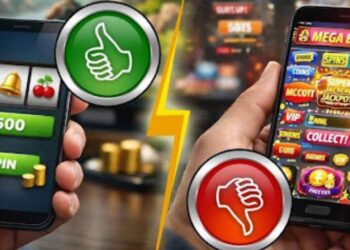
Wearables are quietly changing how adults connect with casino platforms. Not just phones or laptops anymore. Smartwatches, VR headsets, and AR glasses pull players closer to real-time sessions with less friction and more personal control. GearBrain has called wearables the next layer of gaming immersion, a way to add tactility that flat screens rarely deliver. A quick glance at the wrist is required to join a table, and a subtle nudge signals the start of a round. The intersection of gambling and wearable tech is growing, and it has to mature responsibly.
Expanding Interfaces and Immersive Formats
Smartwatch interfaces already reshape how users engage in online live dealer games. On the wrist, players can check odds, place small wagers, and follow outcomes without opening a desktop client. ENOstech noted in 2023 that simplified roulette and blackjack layouts now fit these tiny screens, trimmed for quick taps or short voice prompts. It suits brief breaks, not marathon play.
VR aims for the opposite. Headsets simulate casino floors with live-streamed dealers and avatar-filled rooms, mixing physical cues with stay-at-home ease. GearBrain reported in 2024 that VR users linger longer than mobile players, which tracks with the deeper scene-setting. AR sits between them. With the right platform controls, a dealer could appear in a user’s space, keeping the human presence while the system stays transparent about how it all works.
Technical Advantages and Immediate Challenges
Wearables add efficiency and richer data options. Constant access from a watch or headset enables instant interaction, lightweight chat, and optional biometric inputs. ENOstech’s figures suggest most smartwatch owners use at least one entertainment or gaming app each week. Sensors for heart rate and movement could, if handled ethically, inform gentler pace or break prompts that support balanced sessions. Limits are real. Screens are cramped, battery life cuts into long play, and live video can stutter when networks wobble. voice menus help until they do not, as some users still report misfires and awkward navigation. The job for developers is clear, keep pushing the design while protecting data and keeping the interaction steady.
Market Growth and Research Directions

The segment should expand through 2030 as devices get cheaper and more common. Forecasts point to more than a billion active wearables worldwide within six years, with a slice of those supporting gambling apps. Haptic feedback is moving fast too, with small wrist taps adding tactile texture without extra gear. Smart glasses may be next. Lightweight lenses could layer real-time odds or table stats into a player’s field of view, eyes up and focused. CT Interactive’s 2024 work suggests that pairing gesture control with AR overlays can reduce interface friction by over 40 percent. Parallel research is drilling into stronger privacy, anonymization, and permissions to keep biometric data protected and trust intact.
Social Connection and Responsible Innovation
Done well, gambling online can feel more social, not less. Short, casual sessions slip into daily life without taking it over. Quick, secure cues, tiny messages, or a brief vibration can keep friends aligned across separate tables. The point is contact, not constant pull. Still, easier access needs guardrails. Proximity can blur healthy limits. Tools matter, reminders, spending caps, and optional cooling-off windows. Frequent digital play may raise problem-gambling indicators for new users, a reminder that prevention must sit up front.
Promoting Balanced and Responsible Play
Responsible gambling should anchor every feature. Wearables can nudge breaks when stress or heart-rate patterns cross user-set thresholds. Players can tune alerts, session length, and spending limits, syncing settings across devices. Clear, plain-language data policies help people know what is collected and why.
In the end, wearable integration should lift the process while preserving control. Gambling carries financial risk, so stay within personal limits. Progress in live dealer environments only holds if safety, openness, and well-being come first.