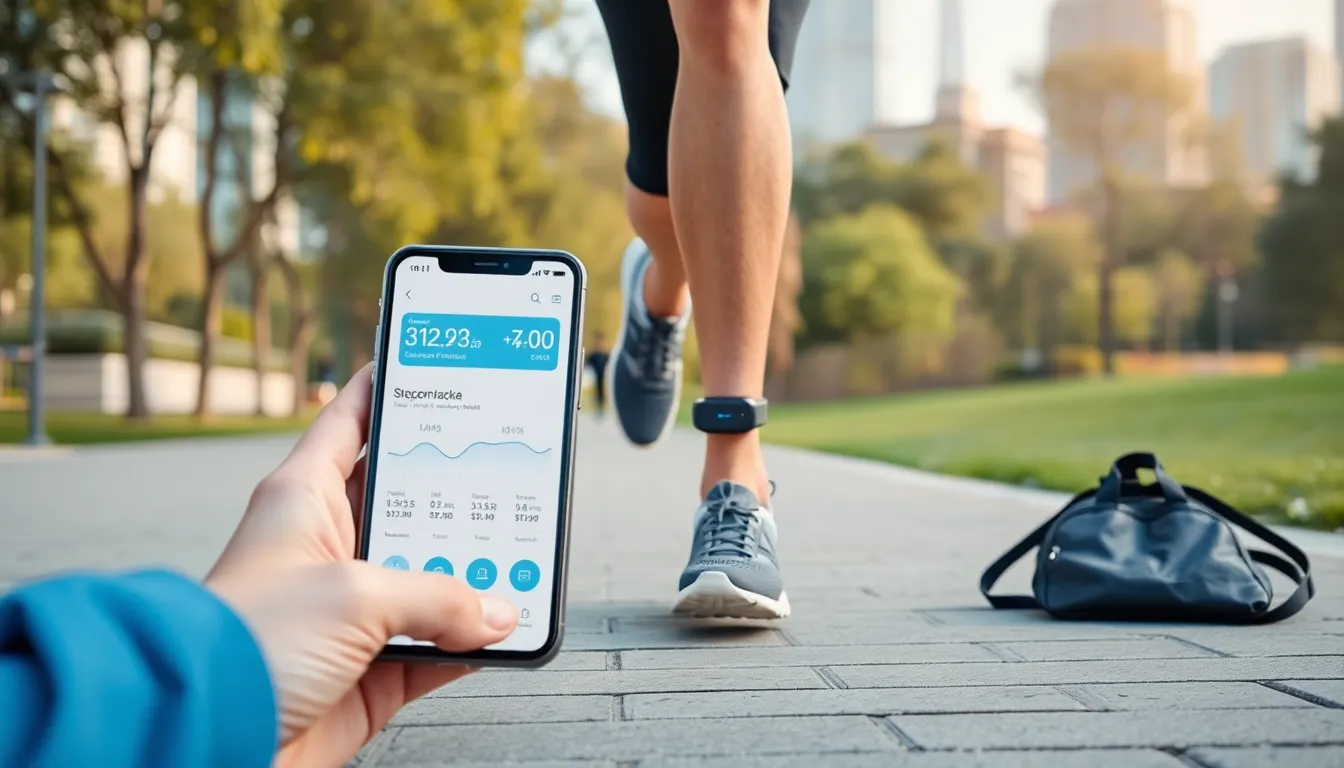
An ankle fitness tracker delivers step, distance, and cadence data from the lower leg. It records motion with sensors and sends data to a phone. The reader will learn how ankle fitness tracker choice, use, and care affect accuracy and longevity.
Key Takeaways
- An ankle fitness tracker sits on the lower leg and uses accelerometers (and often a gyroscope) plus phone GPS to deliver more accurate step, cadence, and distance data than wrist devices.
- Choose an ankle fitness tracker with quality sensors, reliable Bluetooth app sync, strong battery life, and durable water-resistant materials for longevity and accurate metrics.
- Wear the tracker snugly above the ankle bone, calibrate and sync before workouts, and place it on the lead leg for consistent running cadence data.
- Use ankle fitness tracker data to reduce false steps, monitor rehab or running form, and export to training platforms when available to track progress over time.
- Maintain the device by cleaning straps, installing firmware updates, using power-saving modes, and replacing straps or the unit when battery life or sensor accuracy degrades.
What Is An Ankle Fitness Tracker And How It Works
An ankle fitness tracker sits on the ankle and measures movement. It uses an accelerometer and sometimes a gyroscope to log steps and cadence. The device sends data to an app via Bluetooth. The app processes the data and shows pace, distance, and activity time. Many ankle fitness tracker models pair with GPS from the phone for better route data. Users can set goals and view trends in the app. Physical placement on the ankle makes some metrics more accurate than wrist-based devices. Clinicians often use an ankle fitness tracker for rehab and gait analysis. Athletes use an ankle fitness tracker to track running form and cadence.
Benefits Of Using An Ankle Fitness Tracker
An ankle fitness tracker gives more accurate step counts for runners and walkers. It records cadence reliably because it sits near the legs. It reduces false steps that come from hand motion that wrist devices register. Physical therapists use an ankle fitness tracker to track recovery and measure progress. Runners use an ankle fitness tracker to monitor stride and reduce injury risk. Parents may choose an ankle fitness tracker for kids who lose wrist devices: the device stays on the ankle more easily. Readers can compare whether an ankle device fits their needs by reading about other options like fitness trackers that are not watches. People who ask if trackers are worth it can learn from studies and practical use cases in are fitness trackers worth it. Seniors may prefer ankle mounting for comfort: see use cases in fitness trackers for seniors.
Key Features To Look For
Sensors And Data Types (Accelerometer, Gyroscope, GPS)
An ankle fitness tracker needs a quality accelerometer. A gyroscope helps the device detect rotation and foot strike. GPS gives route and speed data when the device pairs with a phone. Devices that combine sensors give richer data for cadence and stride length.
Battery Life, Charging Options, And Power Modes
Buy an ankle fitness tracker with battery life that meets activity needs. Some models last days, others weeks. Fast charging helps users who train often. Power-saving modes extend battery for long events.
Fit, Comfort, And Attachment Methods
The strap must sit snugly on the ankle. A loose strap shifts and hurts data quality. Some devices clip to socks or slip into a band. Users should test fit during short walks before long runs.
Connectivity, App Ecosystem, And Data Privacy
The app must sync reliably with the ankle fitness tracker. Look for apps that export data to common training platforms. Check privacy settings and data export policies before purchase. Users can compare platform compatibility with guides on kids fitness trackers.
Durability, Water Resistance, And Materials
The housing should resist sweat and rain. Look for IP ratings for water resistance. Durable materials reduce wear from daily use. A solid build helps the ankle fitness tracker last longer.
How To Wear And Use An Ankle Fitness Tracker Correctly
Proper Placement And Strap Adjustment
Place the ankle fitness tracker above the ankle bone. The strap should sit snug but not tight. They should test placement with a short walk to confirm stable data.
Calibration, Syncing, And Initial Setup Tips
They should calibrate the ankle fitness tracker per the manufacturer instructions. They must enable Bluetooth and grant app permissions. They should sync before a workout to ensure GPS and time match.
Activity-Specific Usage (Running, Cycling, Rehab, Walking)
Runners should place the ankle fitness tracker on the lead leg for consistent cadence data. Cyclists may leave the device off the bike and use bike sensors instead. Rehab patients should follow clinician guidance and record sessions. Walkers benefit from the ankle fitness tracker for step accuracy compared with wrist devices.
Accuracy, Limitations, And How It Compares To Other Trackers
Ankle Tracker Vs. Wrist Tracker: When Each Excels
An ankle fitness tracker records leg motion and reduces false steps. A wrist tracker records arm motion and gives heart rate on the wrist. Runners often prefer an ankle fitness tracker for cadence. General users who want continuous heart rate may prefer a wrist tracker.
Ankle Tracker Vs. Foot Pod And Shoe Sensors
A foot pod sits in the shoe and measures cadence and stride directly. An ankle fitness tracker offers similar cadence data with easier attachment. Shoe sensors may offer more detailed pressure and contact time metrics.
Common Accuracy Issues And How To Improve Readings
Ankle fitness tracker errors arise from loose straps, low battery, or poor calibration. They should tighten the strap, charge the device, and re-calibrate. Syncing with phone GPS improves distance and pace accuracy.
Buying Guide And Price Considerations
What To Prioritize At Different Price Points
Budget models provide basic step and cadence tracking. Mid-range ankle fitness tracker models add better sensors and longer battery life. High-end devices add advanced sensors and export options. Buyers should balance sensor quality and battery life with price. Parents who want trackers for children can compare with options in fitness trackers for kids.
Compatibility With Phones, Watches, And Training Platforms
A buyer should confirm phone compatibility and app support. They should check if the ankle fitness tracker exports to common training platforms and syncs with watches. Compatibility matters for users who already use a watch or training app.
Warranty, Return Policy, And Support Resources
Buyers should read warranty and return policies. They should prefer sellers with clear support channels. Check if the manufacturer offers firmware updates and online help. For questions on tax-advantaged purchases, readers can learn about eligibility on are fitness trackers FSA eligible and are fitness trackers HSA eligible.
Maintenance, Care, And Troubleshooting
Cleaning, Storage, And Extending Battery Life
They should clean the ankle fitness tracker with a damp cloth after workouts. They must remove salt and dirt from straps to prevent skin irritation. Store the device in a cool, dry place when not in use. They should use battery-saving modes to extend charge between sessions.
Firmware Updates, App Troubleshooting, And Resetting
They should install firmware updates when available. They must keep the app updated to avoid sync issues. If syncing fails, they should restart the phone and the ankle fitness tracker and try again. A factory reset can fix persistent issues.
When To Replace The Device Or Accessories
They should replace the strap if it tears or loses elasticity. They should replace the device when battery life drops significantly or sensors fail. They should check warranty coverage before buying replacements.