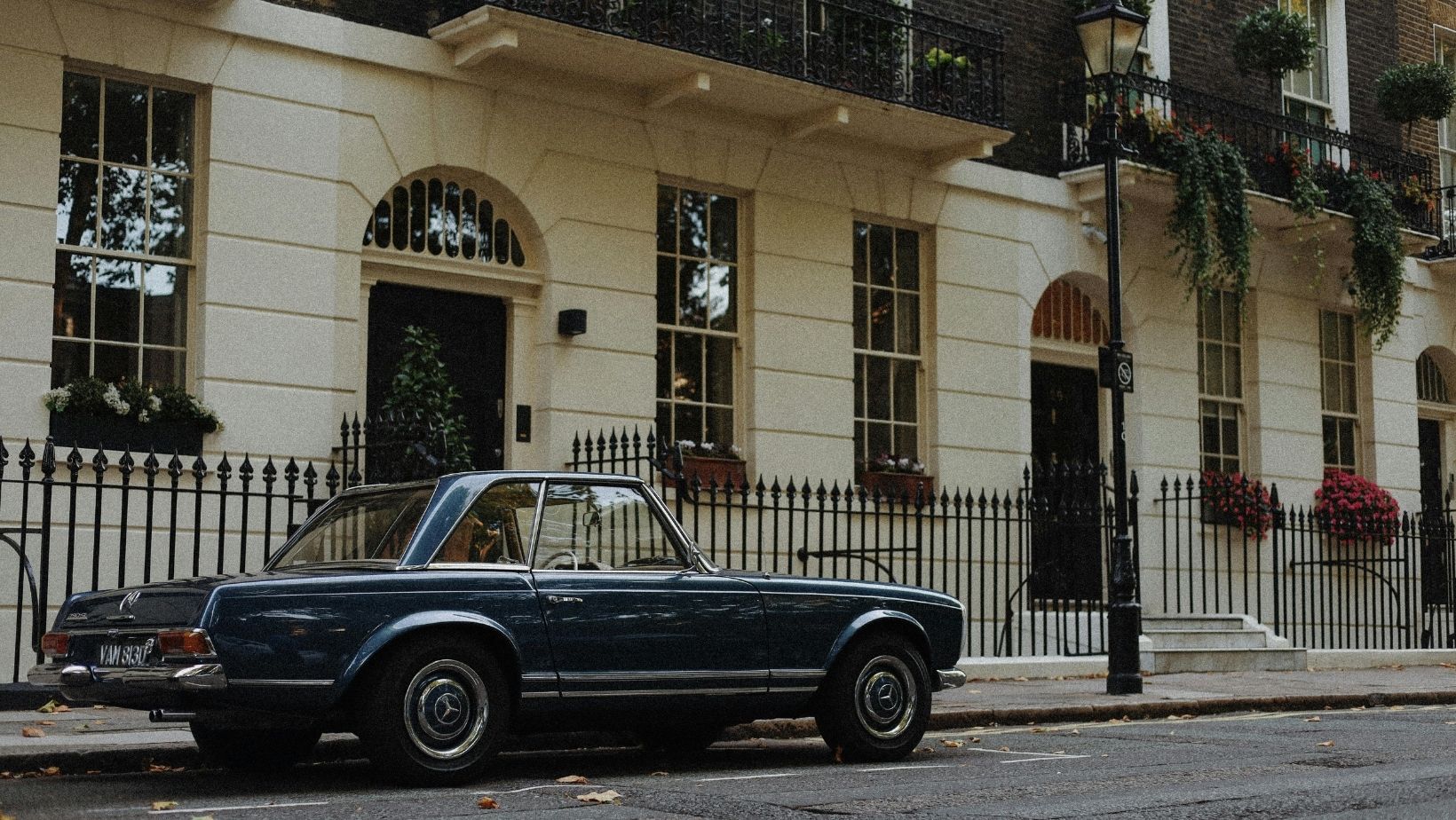
The shine of chrome from the 1960s, the deep growl of a V8 engine and the attention from other drivers might make you feel like you’re stepping into a rolling piece of history.
Of course, some vehicles labeled “classic” come with a steep price tag. Classic car loans could provide support if you’re looking to invest. A classic car loan is a type of personal loan you could take out from a bank, credit union or online lender instead of going through a dealership. You borrow a set amount of money and then repay the loan over time with interest, which is the cost of borrowing.
Perhaps you want to restore an old gem or hold on to it until it reaches a certain value before putting it on the market again. Whatever your plan, make sure to do your research and crunch the numbers to increase the odds of getting a good return on your investment.
Whether a classic car is a good investment depends on various factors, including popularity, history and condition. Let’s take a closer look.
What is a classic car?
A classic car usually refers to a vehicle at least 20 to 40 years old, though the definition might change depending on who you ask.
Collectors tend to prioritize certain models and years. For example, the 1969 Chevrolet Camaro, a muscle car tied to American automotive history, or the 1970s Volkswagen Beetle, known for its cultural impact and quirky design, are both beloved by classic car fans. Insurance companies may have their own guidelines for which models qualify for specialty coverage.
Not every vehicle from decades ago qualifies as a “classic.” The Classic Car Club of America defines classic cars as “fine or unusual foreign or domestic motorcars” built between 1915 and 1948. So a well-kept Toyota Corolla from the 1980s might simply be considered old rather than a collectible.
What factors affect a classic car’s value?
Investors typically consider a few different features that affect the value of a classic vehicle:
· Rarity: A car from a limited production run might attract stronger offers from buyers who crave exclusivity.
· Condition: A fully restored Chevrolet Bel Air with original upholstery and chrome trim will hold greater value than a rusted version left untouched for decades.
· Historical significance: Cars tied to historical events or automotive firsts could generate more demand among collectors. For example, the Ford Model T was the world’s first mass-produced, affordable car, introduced to the world in 1908.
· Cultural significance: Vehicles with a racing history or celebrity ownership might draw premium prices. For example, a Ferrari once driven by a Formula 1 legend could carry a higher value.
Even with these factors, the market might shift. As with any investment, your classic car’s value is not guaranteed.
Benefits of investing in a classic car
Becoming the owner of a classic vehicle might bring a lot of value in different forms, including:
· Potential appreciation: A first-generation, fixer-upper Ford Mustang purchased at a modest price might sell for more once you restore it.
· Personal enjoyment: Unlike stocks or bonds, a 1967 convertible Corvette can give you weekend drives filled with joy, creating memories along the way.
· Community connections: Joining a regional car club and showing your lovingly restored 1970 Dodge Charger at a local exhibition might introduce you to friendships built on shared passion.
· Preserving history: Maintaining a vintage Porsche 911 allows you to preserve a piece of engineering excellence, keeping it alive for future generations to admire.
Downsides of investing in a classic car
Owning a classic vehicle might also introduce challenges that could eat into any potential profits you might make, including:
· Maintenance costs: A 1950s Cadillac might need rare parts, and repairs could require specialist mechanics whose services come at higher rates.
· Storage needs: Parking a 1960s Jaguar E-Type in a climate-controlled garage might be necessary to avoid moisture damage. You may need to rent a storage space or potentially upgrade your home garage, adding to the overall cost.
· Unpredictable market: Interest in a once-popular model might fade, leaving values stagnant or declining despite your hopes for growth. The economy also plays a role: When people feel able to spend more, they may be more inclined to take the leap on a classic car purchase, while the opposite is true if the economy is struggling.
Invest in a classic car wisely
Owning a classic car might offer both thrills and hurdles. A well-chosen, well-cared-for model could appreciate in value, connect you with a community of like-minded enthusiasts and offer unforgettable experiences. At the same time, repairs, storage and a fluctuating market could affect your bottom line when you’re ready to sell.
Entering the world of classic car investment thoughtfully might allow you to enjoy both the ride and the history it represents.
Notice: Information provided in this article is for information purposes only and does not necessarily reflect the views of feedbuzzard.com or its employees. Please be sure to consult your financial advisor about your financial circumstances and options. This site may receive compensation from advertisers for links to third-party websites.