Are fitness trackers worth it is the question many people ask. The question appears in search bars and in conversation. The article states the main points clearly. It outlines what trackers do, what they measure, their limits, and how to decide. Readers get direct guidance and next steps.
Key Takeaways
- If you ask are fitness trackers worth it, expect useful, passive data—steps, heart rate, and sleep trends—but not clinical-grade measurements.
- Choose a tracker that matches your goals: habit-building and reminders for motivation, GPS and swim tracking for athletes, or simple step tracking for casual users.
- Prioritize sensor quality, battery life, comfort, and a clear companion app with privacy controls to get reliable, actionable insights.
- Weigh total cost: initial price, subscription features, charging and repair needs, and whether the device will actually change your behavior.
- Avoid trackers if you dislike constant alerts, already have a sport watch that meets your needs, or require medical diagnostics that need clinical devices.
What Fitness Trackers Do And How They Work
Fitness trackers record movement and body signals. They use sensors to count steps, measure heart rate, and track sleep. They sync data to an app on a phone or computer. The device uses accelerometers to detect motion. The device uses photoplethysmography to estimate heart rate. The app stores data and shows trends. The app sends alerts and reminders. The device may include GPS for runs and swims. When someone asks are fitness trackers worth it they usually mean value for money and health impact. The device provides raw numbers and charts. The device cannot read thoughts. The device cannot replace a medical exam.
Benefits You Can Expect
Health Insights And Activity Tracking
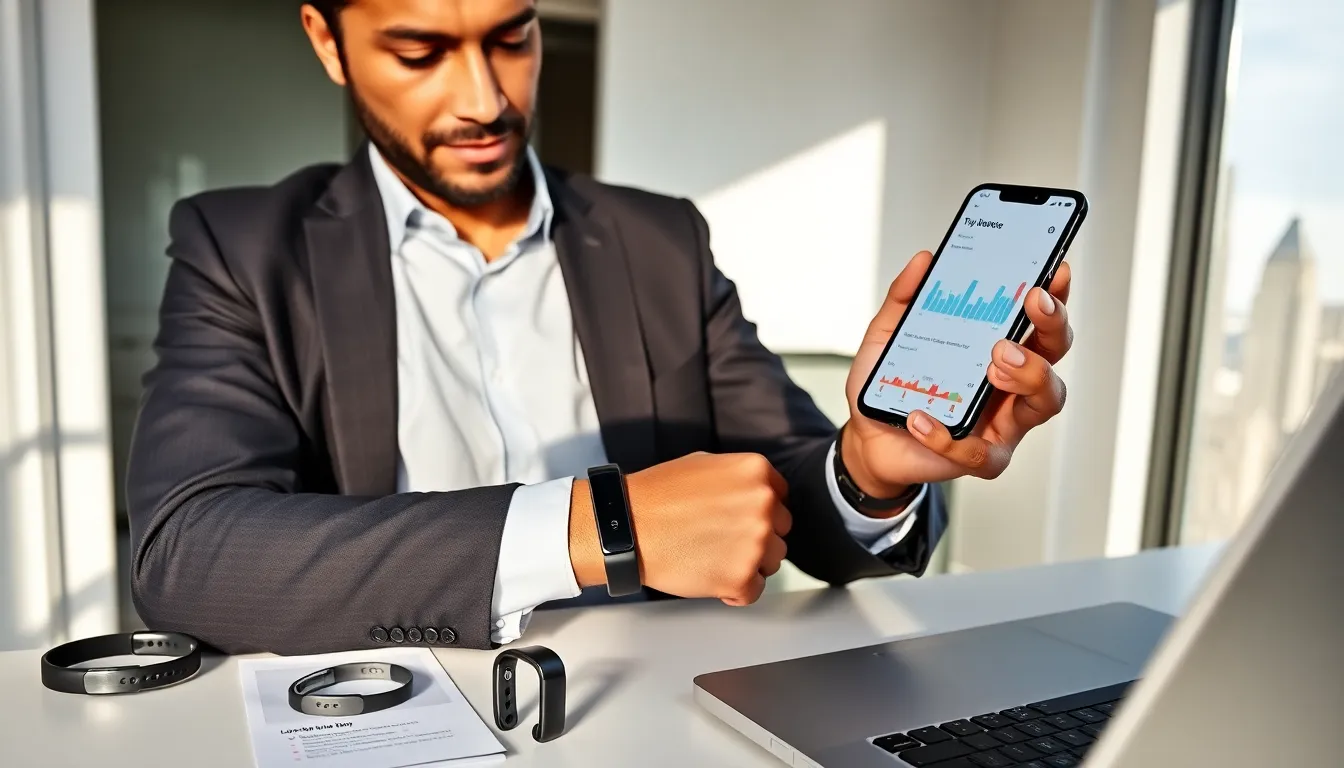
A tracker shows daily steps, active minutes, and calories burned. It reports resting and active heart rate. It records sleep stages and sleep duration. The data helps a person spot small changes over time. A person who wants clear, regular feedback finds value here. People who wonder are fitness trackers worth it often point to the health data as the main reason.
Motivation, Accountability, And Habit Building
A tracker reminds a person to move and to meet goals. The device creates simple targets like step count or standing hours. The device provides rewards, badges, and streaks. The device helps people form consistent habits. A person who likes measurable goals gets more from a tracker.
Convenience And Integration With Daily Life
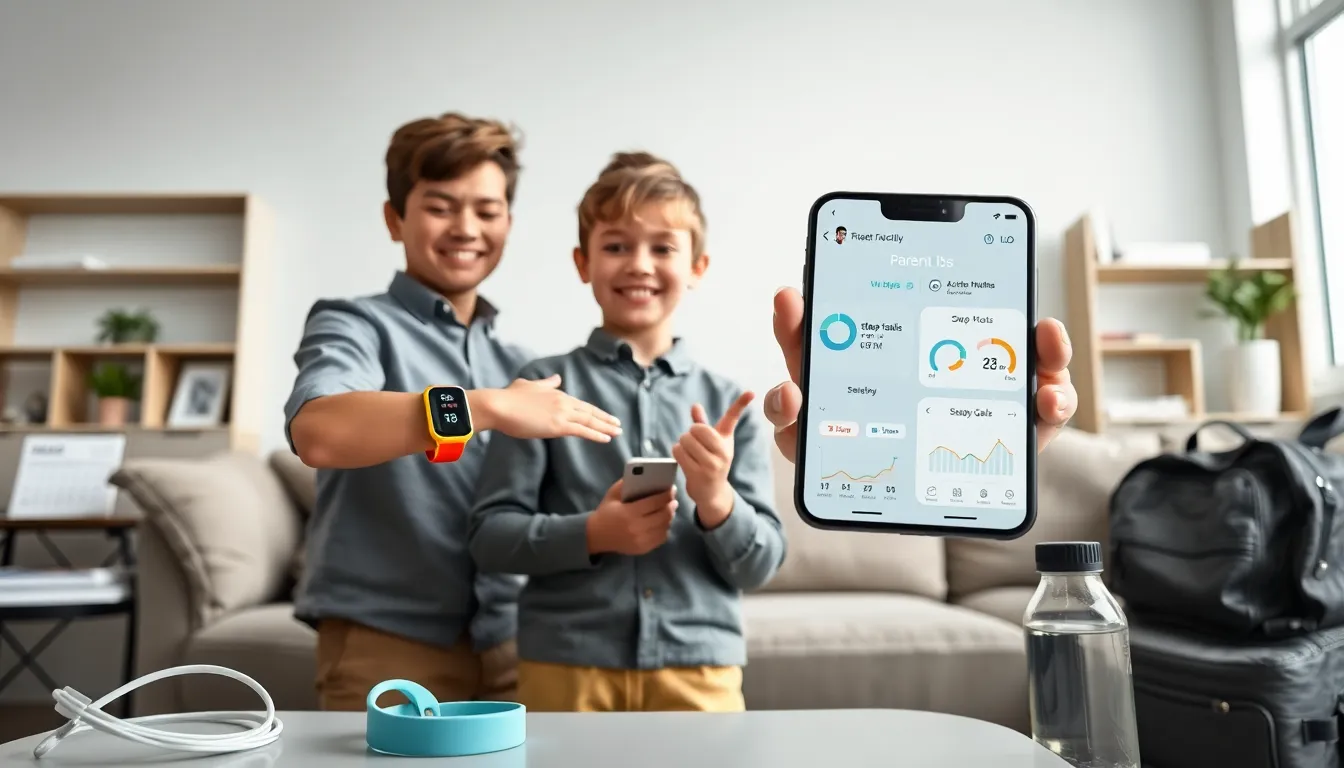
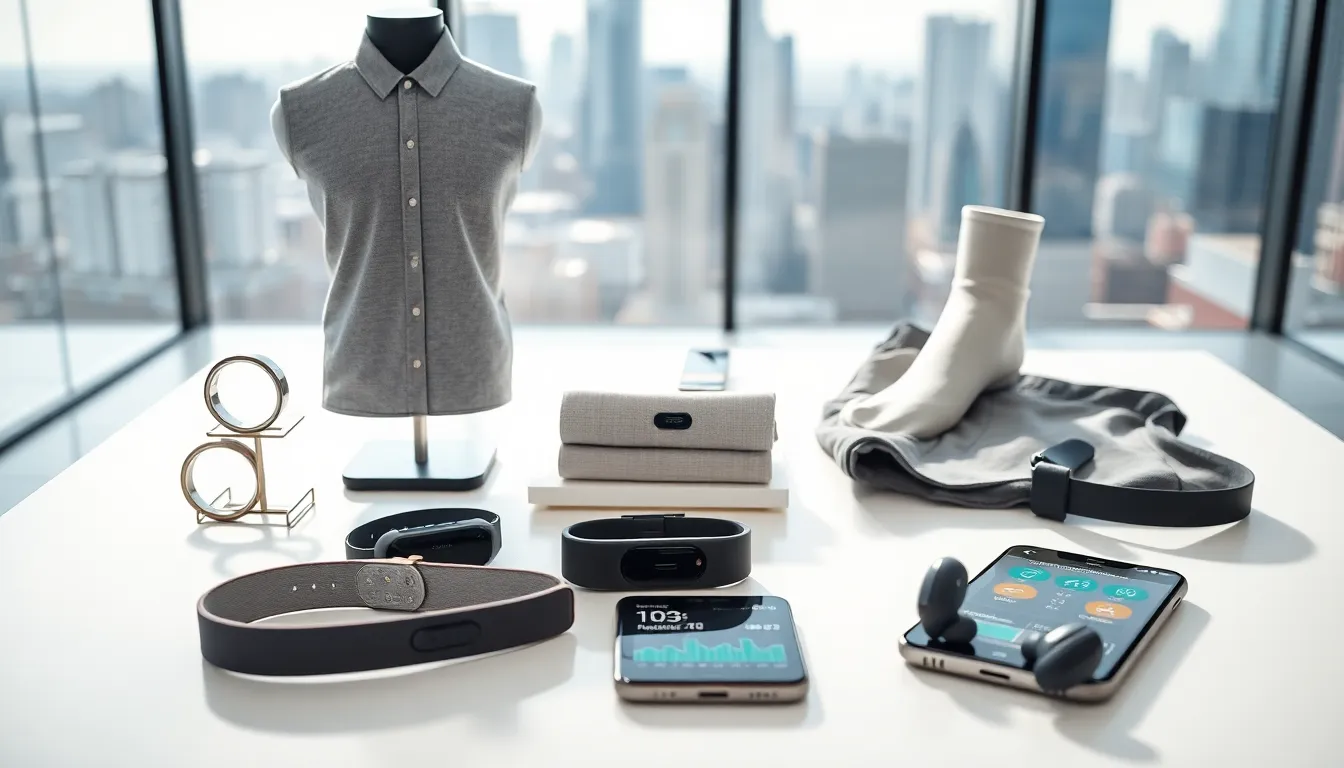
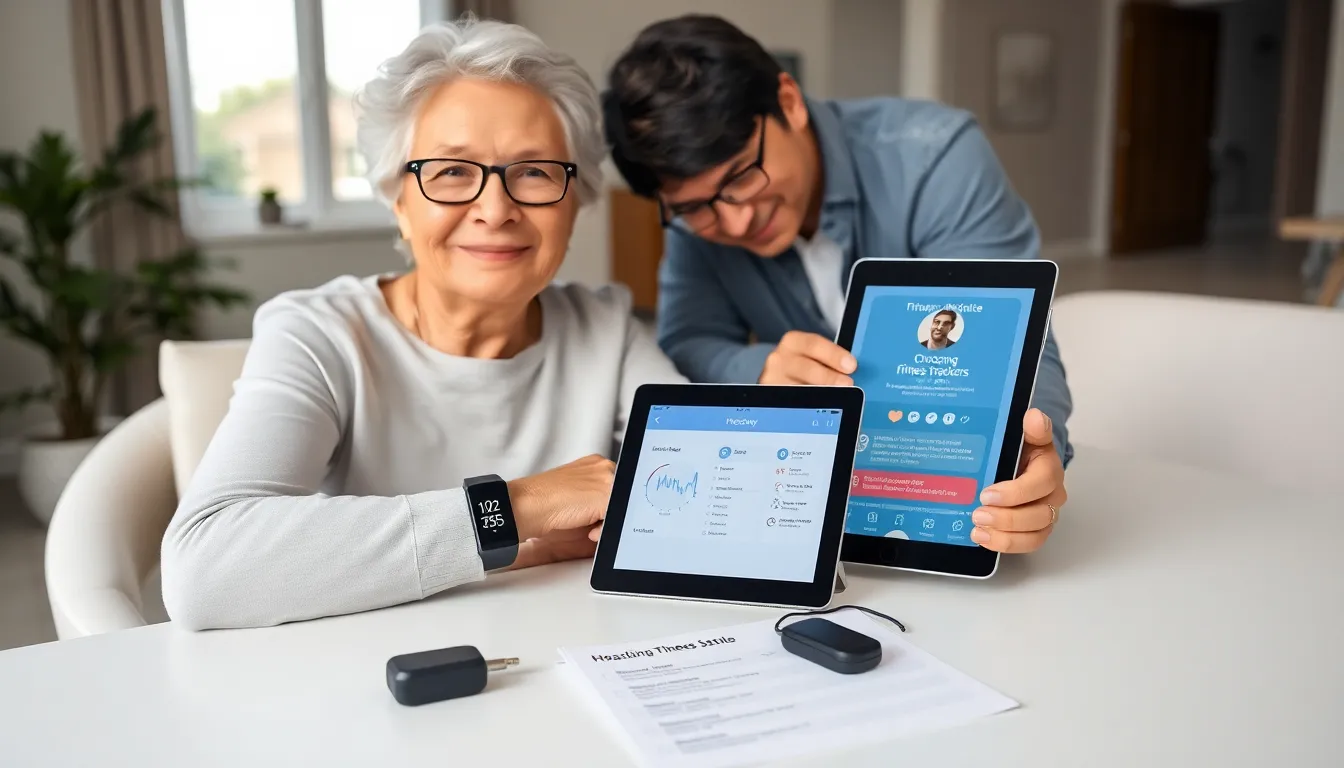
A tracker fits on a wrist, clip, or ankle. Some people prefer an ankle fitness tracker for specific sports. Many trackers pair with health apps and calendars. The device syncs without user effort most of the time. Parents can choose kids fitness trackers that limit features. Seniors can use models made for older adults to get step counts and fall alerts. A user who wants passive, continuous data finds the device useful.
Links in this section:
- Readers can learn about non-watch options in a guide to fitness trackers that are not watches.
- Parents can compare models in a review of kids fitness trackers.
Limitations And Common Downsides
Accuracy And Contextual Limitations
Trackers estimate metrics from sensors and algorithms. They report heart rate with some error during high-intensity moves. They miscount steps for some activities. A tracker may undercount bike rides and weight lifting. A clinician will use medical devices for diagnosis. People asking are fitness trackers worth it should expect estimates, not clinical precision.
Privacy, Data Use, And Security Concerns
Trackers collect personal health data and location history. The company may store data on remote servers. A user must read privacy settings and terms. A user can limit data sharing and delete old data. People who value strict privacy may avoid cloud sync.
Cost, Maintenance, And Battery Life
Trackers range from low-cost bands to high-end smartwatches. The device may need weekly charging. The app may require paid features to unlock full reports. A person who asks are fitness trackers worth it must count initial cost and ongoing fees. Repairs and lost devices add cost.
How To Decide If A Fitness Tracker Is Right For You
Who Benefits Most From Wearing One
People who want steady feedback benefit most. People with clear movement goals gain measurable progress. People who respond to reminders and small rewards gain more. People who manage chronic conditions may get useful trend data to share with a clinician. Families may use trackers to set activity challenges for kids. Employers and health plans may offer trackers as incentives.
When A Tracker Adds Little Value
A person who already tracks activity with a sport watch may see little new value. A person who dislikes constant alerts may find the device distracting. A person who needs exact medical data will not rely on a tracker. Someone who wants a simple timer or occasional workout may skip the device. People asking are fitness trackers worth it should weigh behavior change against cost.
Links in this section:
- Users can check rules for using benefits with are fitness trackers hsa eligible.
- Buyers can review FSA rules in an article on are fitness trackers fsa eligible.
Quick Buying Checklist: What To Look For
Sensor quality and battery life
A buyer should compare heart rate sensor accuracy and battery hours. A longer battery reduces charging chores.
Fit and comfort
A buyer should try devices for comfort during sleep and workouts. A snug fit improves step and heart rate readings.
App design and data access
A buyer should open the companion app to check charts, export options, and privacy controls. A clear app makes the data useful.
Features and price
A buyer should list required features like GPS, swim tracking, or fall alerts. A buyer should skip features they will not use to save money.
Form factor and special cases
A buyer who dislikes watches can consider fitness trackers that are not watches. A buyer shopping for seniors should read a guide on fitness trackers for seniors. A buyer who needs a child-specific device can review fitness trackers for kids.
Final note on decision
A person who asks are fitness trackers worth it should match the device to their goals. A person who wants habit support will find value. A person who wants clinical data will need other tools.